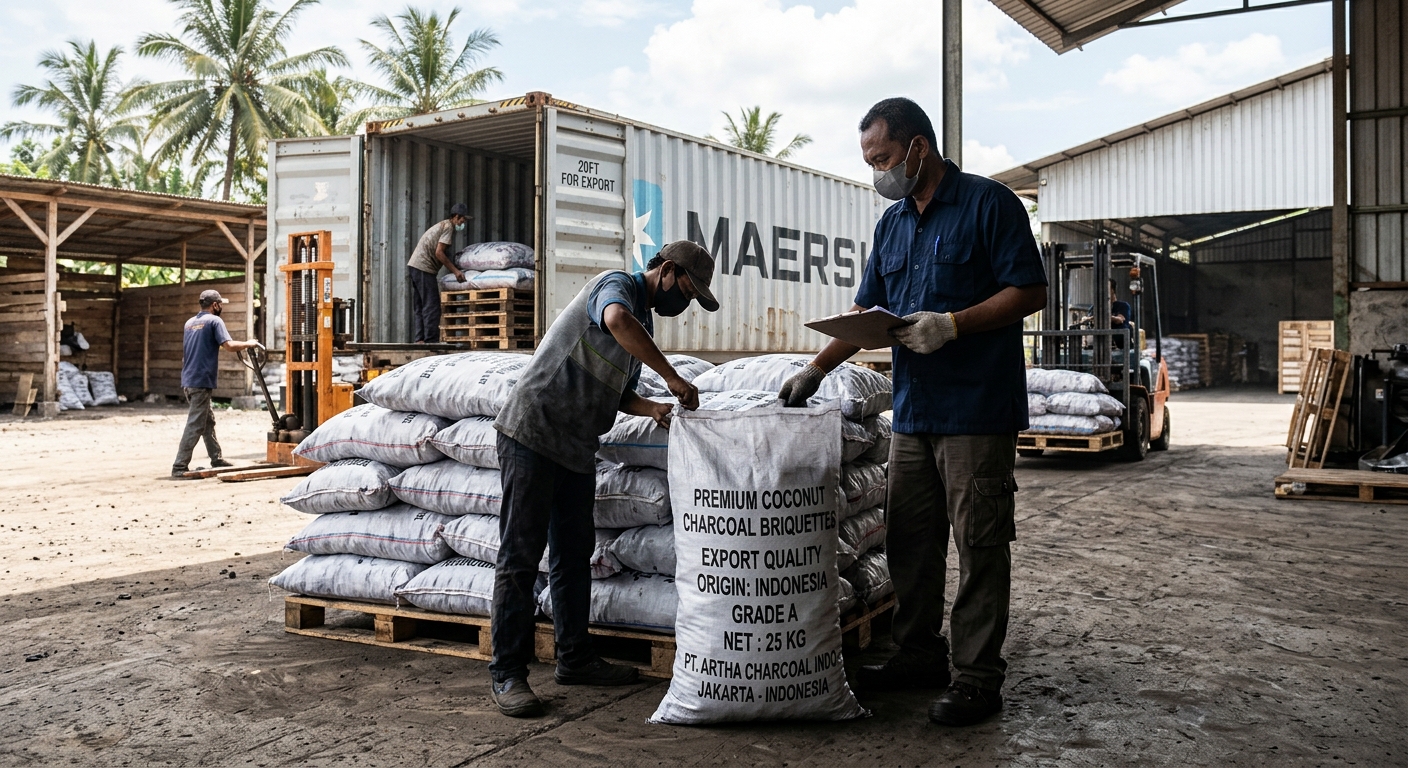
Introduction to Indonesian Coconut Charcoal
Indonesia is recognized globally as the leading producer and exporter of premium coconut shell charcoal, particularly in the form of briquettes used for shisha, hookah, and barbecue. The country's abundant tropical resources provide a consistent supply of high-quality coconut shells, which are transformed into eco-friendly, long-lasting charcoal. For international buyers, understanding the intricacies of the Indonesian coconut charcoal export guide is essential for securing a reliable supply chain, maintaining product quality, and navigating the complex logistics of international trade.
Exporting coconut charcoal from Indonesia requires more than just finding a supplier; it demands a thorough understanding of product grading, legal documentation, safety testing, and shipping regulations. This comprehensive guide will walk you through the essential steps to successfully import coconut charcoal from Indonesia.
Why Choose Indonesian Coconut Charcoal?
The global demand for Indonesian coconut charcoal is driven by its superior characteristics compared to traditional wood charcoal or coal-based alternatives. Professional buyers prefer Indonesian briquettes for several key reasons:
- High Heat Output: Coconut shell charcoal burns significantly hotter than standard wood charcoal, making it highly efficient for both grilling and shisha.
- Long Burning Time: Premium briquettes can burn for over two hours, reducing the need for frequent replacements during use.
- Low Ash Content: High-quality Indonesian charcoal produces minimal ash, ensuring a cleaner experience, which is particularly crucial for shisha lounges.
- Smokeless and Odorless: The natural carbonization process leaves no unwanted chemicals, ensuring the charcoal does not interfere with the flavor of food or shisha tobacco.
- Eco-Friendly: Utilizing coconut shells is a sustainable practice that repurposes agricultural waste without contributing to deforestation.
Understanding Product Grades
Before initiating an export order, buyers must specify the grade of charcoal required. The specifications heavily dictate the price, manufacturing process, and target market. Below is a comparison of the two primary grades of Indonesian coconut charcoal briquettes available for export.
The following table compares Premium Grade charcoal (ideal for shisha) with Standard Grade charcoal (typically used for barbecue) across key performance metrics:
| Charcoal Grade | Maximum Ash Content | Average Burning Time | Minimum Carbon Content | Primary Application |
|---|---|---|---|---|
| Premium Grade | 2.5% | 120 minutes | 80% | Shisha / Hookah |
| Standard Grade | 5.0% | 90 minutes | 75% | Barbecue / Grilling |
Legal and Regulatory Requirements for Export
Exporting charcoal from Indonesia involves stringent legal protocols, primarily because charcoal is classified under specific shipping regulations. To ensure a smooth export process, both the supplier and the buyer must ensure that all documentation is accurate and up to date.
Essential Export Documents
- Commercial Invoice and Packing List: Standard shipping documents detailing the financial transaction and exact contents, weights, and packaging types of the shipment.
- Bill of Lading (B/L): The official shipping document issued by the freight forwarder or shipping line.
- Certificate of Origin (CoO): Verifies that the coconut charcoal was wholly produced and manufactured in Indonesia.
- Material Safety Data Sheet (MSDS): A document outlining the safety protocols, handling procedures, and physical data of the charcoal.
- Self-Heating Test (SHT) Certificate: A critical laboratory test required for all charcoal exports to prove that the briquettes will not spontaneously combust during ocean transit.
- Vanning Certificate: Issued after an inspection confirms that the charcoal has been safely and correctly loaded into the shipping container according to maritime safety standards.
Logistics and Shipping Considerations
Shipping coconut charcoal is arguably the most complex phase of the export process. Because charcoal is a combustible material, it is often subject to strict regulations by the International Maritime Organization (IMO). Some shipping lines classify coconut charcoal briquettes as Dangerous Goods (DG) under Class 4.2 (Substances liable to spontaneous combustion), while others may accept them as Non-DG if the Self-Heating Test proves they do not pose a risk.
Most exports are conducted using 20-foot or 40-foot standard containers. A standard 20-foot container can typically hold around 18 metric tons of coconut charcoal briquettes, depending on the packaging style (e.g., master cartons with inner boxes). Moisture control is also vital during shipping; silica gel packets or kraft paper linings are often used inside the container to prevent condensation from damaging the briquettes during long voyages across different climate zones.
Finding and Verifying Reliable Suppliers
With hundreds of manufacturers operating in regions like Java, Sulawesi, and Sumatra, finding a reliable supplier is crucial. Conduct thorough due diligence before placing bulk orders.
- Request Samples: Always request physical samples before committing to a full container load. Test the samples for burning time, ash color (white or silver ash is preferred), and drop strength (briquettes should not shatter easily).
- Verify Certifications: Ensure the factory has up-to-date SHT, MSDS, and export licenses. Ask for previous shipment records if possible.
- Factory Audits: If possible, hire a third-party inspection agency or visit the factory in person to verify production capacity, hygiene standards, and quality control processes.
Conclusion
Importing coconut charcoal from Indonesia presents a lucrative opportunity for businesses in the shisha and barbecue industries. By understanding the differences in product grades, strictly adhering to maritime shipping regulations, and conducting proper supplier verification, buyers can build a resilient and profitable supply chain. As global demand for sustainable, high-performance fuel continues to rise, mastering the Indonesian coconut charcoal export guide will position your business for long-term success.
Frequently Asked Questions (FAQ)
Why is a Self-Heating Test (SHT) required for exporting charcoal?
The Self-Heating Test is a mandatory safety requirement mandated by shipping lines to ensure the charcoal will not spontaneously combust during sea transit. It determines whether the product must be shipped as Dangerous Goods (DG) or Non-DG.
What is the typical Minimum Order Quantity (MOQ) for export?
Most Indonesian manufacturers require a Minimum Order Quantity of one 20-foot container, which holds approximately 18 to 18.5 metric tons of packed coconut charcoal briquettes.
How long does the production and shipping process take?
Production for a standard 20-foot container usually takes 2 to 3 weeks, depending on the factory's schedule and weather conditions (which affect the drying of raw materials). Shipping times vary by destination, typically ranging from 15 to 40 days.
Can I customize the packaging and briquette shapes?
Yes, the majority of professional Indonesian suppliers offer OEM services. Buyers can request custom shapes (cubes, flats, hexagons, cylinders) and custom-printed inner boxes and master cartons to align with their brand identity.
Comments
Post a Comment