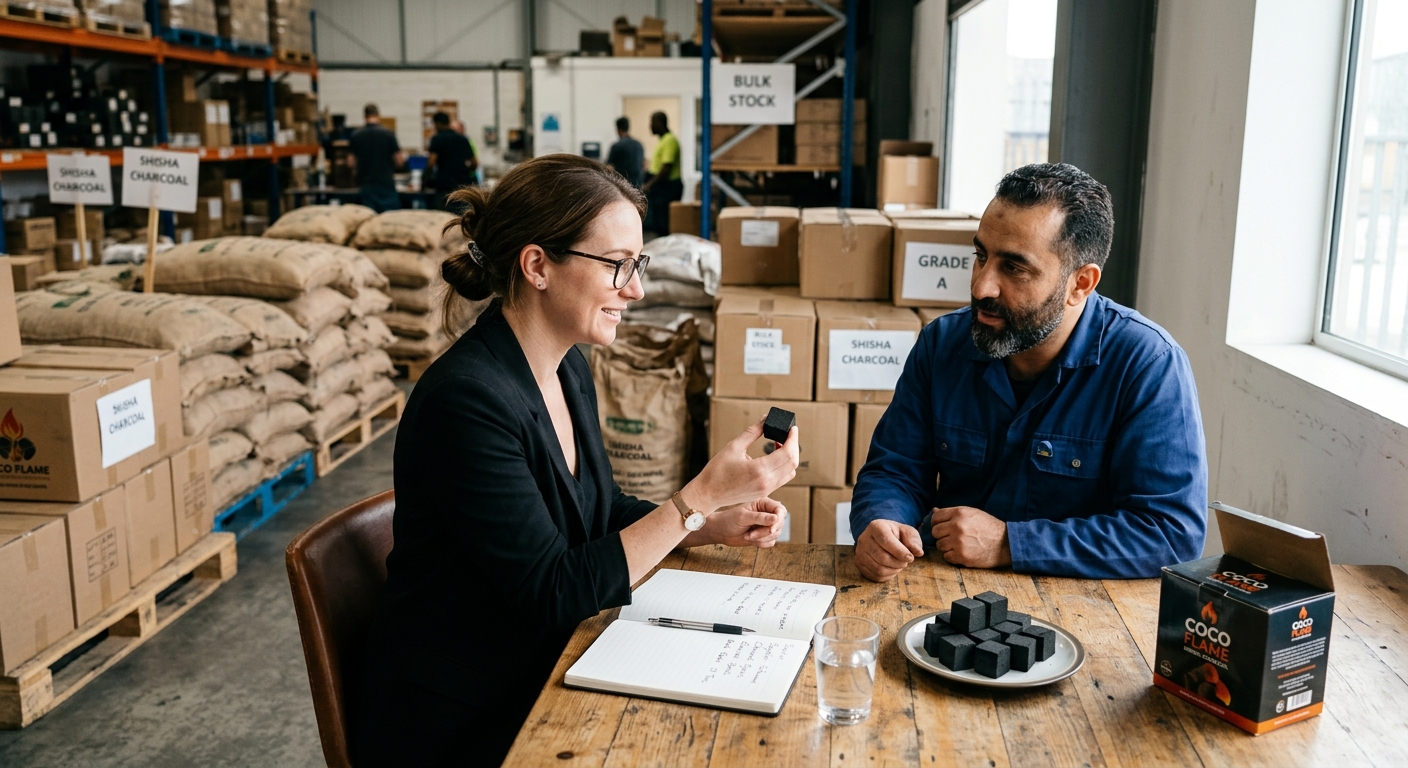
Introduction to Wholesale Shisha Charcoal
In the thriving global market of hookah and shisha, the quality of the charcoal used is just as important as the flavor of the tobacco itself. For lounges, cafes, and retailers, partnering with reliable wholesale shisha charcoal suppliers is a critical business decision. The right supplier ensures a consistent, high-quality experience for end-users, which translates directly to customer loyalty and business growth.
This comprehensive guide explores everything you need to know about sourcing shisha charcoal at wholesale prices, including the types of charcoal available, what qualities to look for, and how to evaluate potential suppliers to ensure a profitable and sustainable partnership.
Understanding Shisha Charcoal Types
Not all shisha charcoal is created equal. The market primarily offers two distinct categories: natural charcoal and quick-light charcoal. Understanding the differences is essential for making informed purchasing decisions for your business.
Natural Coconut Charcoal
Natural coconut charcoal is widely considered the gold standard in the shisha industry. Made from compressed coconut shells, this eco-friendly option requires a dedicated heat source, such as an electric coil burner, to light. However, the benefits far outweigh the preparation time. Natural coconut charcoal burns longer, produces less ash, and, most importantly, does not impart any chemical taste or odor to the shisha smoke, allowing the true flavor of the tobacco to shine through.
Quick-Light Charcoal
Quick-light charcoal is designed for convenience. These briquettes are coated with a chemical accelerant (usually sulfur or benzene) that allows them to be lit quickly with a standard lighter. While highly convenient for casual users or outdoor settings, quick-light coals tend to burn much faster, produce significantly more ash, and can leave a distinct chemical aftertaste that detracts from the premium shisha experience.
The table below provides a clear comparison between Natural Coconut Charcoal and Quick-Light Charcoal based on key performance metrics.
| Charcoal Type | Lighting Time | Burn Duration | Ash Production | Flavor Impact |
|---|---|---|---|---|
| Natural Coconut Charcoal | 7 - 10 Minutes | 60 - 90 Minutes | Low (Under 3%) | Neutral (Zero Impact) |
| Quick-Light Charcoal | 10 - 30 Seconds | 30 - 45 Minutes | High | Chemical Aftertaste |
Key Indicators of High-Quality Shisha Charcoal
When evaluating wholesale shisha charcoal suppliers, it is imperative to test their products for quality. Here are the primary indicators of premium shisha charcoal:
- Low Ash Content: High-quality charcoal produces minimal ash (typically less than 3%). Excessive ash can fall into the shisha bowl, ruining the flavor and requiring constant maintenance.
- High Density: Dense charcoal burns hotter and longer. If a briquette crumbles easily in your hand, it is likely of inferior quality.
- Odorless and Tasteless: The best charcoal should not emit smoke or harsh odors while lighting or burning.
- Consistent Shape and Size: Uniformity in the briquettes ensures predictable heat management, which is crucial for a smooth smoking session.
How to Choose the Right Wholesale Supplier
Finding the right supplier goes beyond just securing a low price per kilogram. A successful B2B relationship requires reliability, consistency, and excellent communication.
Production Capacity and Consistency
Ensure that the supplier can meet your volume requirements, especially during peak seasons. Consistency in product quality from batch to batch is vital. Ask potential suppliers about their quality control processes and whether they own their manufacturing facilities or simply act as brokers.
Logistics and Shipping
Charcoal is heavy, and shipping costs can significantly impact your bottom line. Look for suppliers who have established logistics networks and can offer competitive freight rates. Understand their minimum order quantities (MOQs) and lead times to ensure you never run out of stock.
Customization and Private Labeling
If you are looking to build your own brand, inquire about OEM (Original Equipment Manufacturer) or private labeling services. Many top-tier suppliers offer custom packaging and specific briquette shapes to help your brand stand out in a crowded market.
The Environmental Impact of Shisha Charcoal
As consumers become more environmentally conscious, the source of your shisha charcoal matters. Natural coconut charcoal is inherently sustainable, as it utilizes the discarded shells of coconuts rather than requiring the cutting down of trees. Partnering with suppliers who prioritize sustainable sourcing and eco-friendly manufacturing processes can be a significant selling point for your business.
Conclusion
Securing a reliable partnership with top-tier wholesale shisha charcoal suppliers is a foundational step for any business operating in the hookah industry. By prioritizing natural, high-quality products like coconut charcoal, and carefully evaluating suppliers based on capacity, consistency, and logistics, you can ensure a superior experience for your customers while maintaining healthy profit margins. Take the time to request samples, ask detailed questions, and negotiate terms that align with your long-term business goals.
Frequently Asked Questions (FAQ)
What is the minimum order quantity (MOQ) typically required by wholesale suppliers?
MOQs vary significantly by supplier. Some may require a minimum of 1 metric ton, while large overseas manufacturers might require a full 20-foot shipping container (approximately 14 to 15 tons) to secure the best wholesale pricing.
Why is coconut charcoal preferred over wood charcoal for shisha?
Coconut charcoal is preferred because it burns hotter, lasts longer, and leaves significantly less ash than wood charcoal. Additionally, it does not impart any woody or smoky flavor to the shisha, preserving the integrity of the tobacco's taste.
Can wholesale suppliers provide custom packaging for my brand?
Yes, many established wholesale suppliers offer OEM or private label services. They can manufacture the charcoal to your specifications and package it in boxes featuring your brand's logo and design, though this usually requires meeting a higher MOQ.
How should I store bulk shipments of shisha charcoal?
Charcoal should always be stored in a cool, dry place. Exposure to moisture or high humidity can degrade the quality of the charcoal, making it difficult to light and reducing its burn time. Ensure the storage area is well-ventilated and kept away from direct heat sources.
Comments
Post a Comment