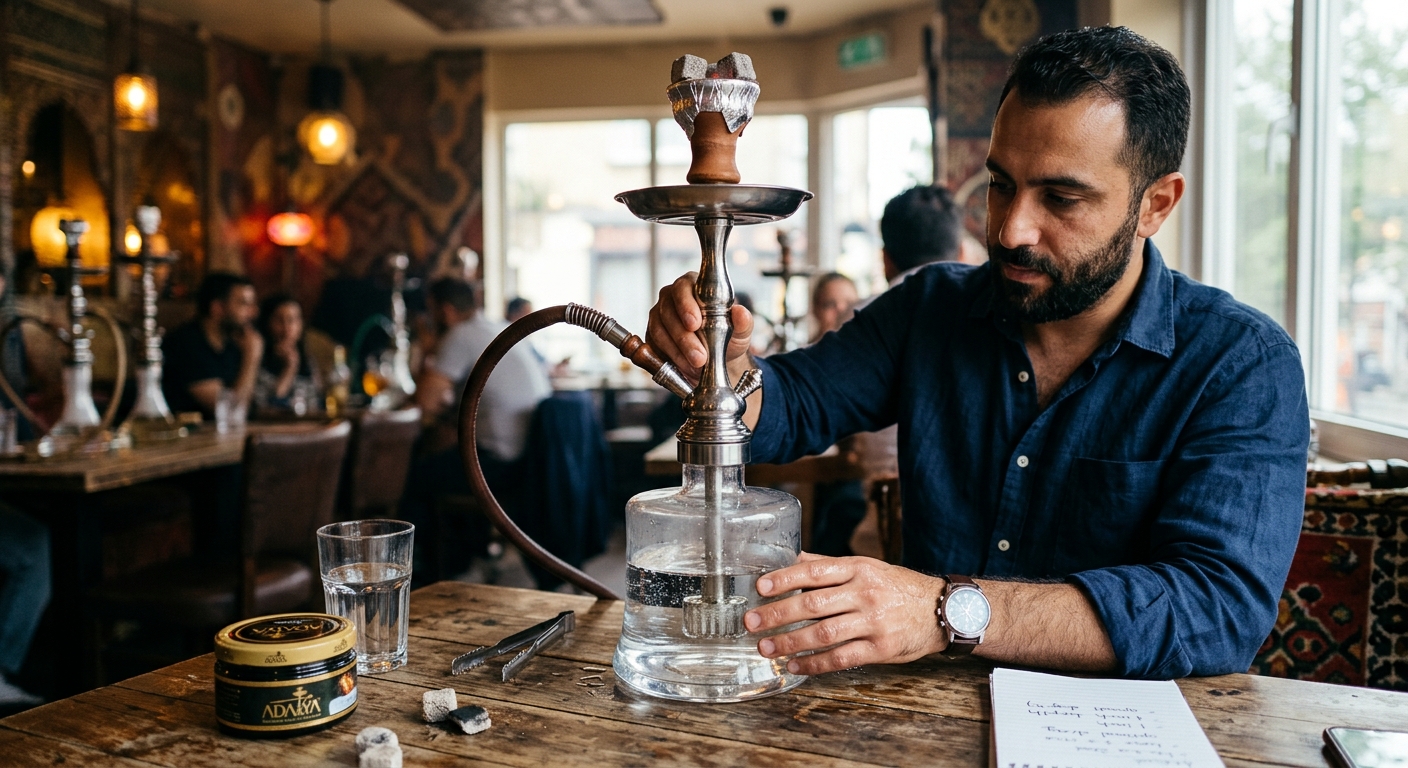
Understanding the Importance of the Right Water Level
For any hookah enthusiast, achieving the perfect smoking session involves mastering several variables, from heat management to packing the bowl. However, one of the most critical yet frequently misunderstood aspects is determining the best water level for your hookah base. The water in a hookah serves a dual purpose: it filters the smoke, reducing harshness and removing some particulates, and it cools the smoke, providing a smoother, more enjoyable draw.
If the water level is too high, you risk water traveling up the hose (a phenomenon known as "water splashing") or making the draw uncomfortably tight. Conversely, if the water level is too low, the smoke will bypass the filtration and cooling process, resulting in a hot, harsh, and unpleasant experience. Finding that sweet spot is essential for optimal flavor, cloud production, and overall satisfaction.
The Golden Rule of Hookah Water Levels
While hookahs come in various shapes and sizes, there is a universal rule of thumb that applies to almost every traditional setup: the bottom of the downstem should be submerged about 1 to 1.5 inches (2.5 to 3.8 centimeters) into the water.
This golden rule ensures that the smoke has enough water to pass through for adequate cooling and filtration without creating excessive resistance when you pull. It strikes the perfect balance, allowing for thick clouds and a comfortable draw.
Adapting to Different Hookah Sizes
While the 1 to 1.5-inch rule is a fantastic starting point, it is important to understand how to adapt it based on the size and shape of your specific hookah base.
- Mini and Micro Hookahs: For very small hookahs, you might want to lean closer to the 1-inch mark, or even slightly less (around 0.75 inches). Because the base holds a smaller volume of air, a higher water level can quickly lead to water in your hose.
- Standard and Medium Hookahs: The standard 1 to 1.5 inches works perfectly here. This is the typical Egyptian, Syrian, or modern pipe setup.
- Large and Jumbo Hookahs: For massive bases, you can safely go up to 1.5 to 2 inches submerged. The larger air chamber above the water reduces the risk of water splashing, and the extra depth provides excellent cooling for large volumes of smoke.
The Role of Diffusers
A diffuser is a small attachment (or a built-in feature) at the bottom of the downstem that features multiple small holes. Its primary function is to break up the large smoke bubbles into many smaller ones as they enter the water. This has two significant effects: it dramatically reduces the rumbling noise of the hookah, and it increases the surface area of the smoke touching the water, theoretically improving cooling and filtration.
When using a diffuser, the best water level for a hookah base changes slightly. Because the bubbles are smaller, there is less violent agitation in the water. Therefore, you can often get away with a slightly lower water level—around 0.5 to 1 inch above the top row of holes on the diffuser. This maintains an effortless, wide-open draw while still providing excellent smoothness.
How to Test Your Water Level
Finding the perfect water level often requires a bit of trial and error with a new hookah. Here is a professional method to test your setup before you start smoking:
- Step 1: Fill the base. Guess the amount of water needed to submerge the downstem about 1 inch.
- Step 2: Assemble the hookah. Attach the stem to the base securely, ensuring an airtight seal. Do not attach the bowl yet.
- Step 3: Test the draw. Attach your hose and take a strong pull from it.
- Step 4: Evaluate.
- If the draw feels restricted, heavy, or you feel water splashing into the hose port, remove some water.
- If the draw feels too airy, there is no bubbling sound, or the pull feels completely hollow, add some water.
- If the draw is smooth, with a satisfying rumble and no water splashing, you have found the perfect level.
Troubleshooting Common Water Level Issues
Even seasoned smokers sometimes struggle with getting the water level just right. Here are some common issues and how they relate to the water in your base.
Water in the Hose
Getting a mouthful of hookah water is a surefire way to ruin a session. If this happens, your water level is definitely too high. Empty out an inch or two of water and try again. Additionally, ensure you are not pulling too aggressively, as this can create a vacuum effect that pulls water upward.
Harsh, Hot Smoke
If your smoke is burning your throat and feels hot, there are two primary culprits: poor heat management (too many coals) or a water level that is too low. If your downstem is barely touching the water or sitting above it, the smoke isn't being cooled. Check the level and ensure it is submerged at least an inch.
Weak Cloud Production
While weak clouds are usually related to how the bowl is packed or managed, an improperly filled base can contribute. If the water level is too high, the restricted draw prevents you from pulling enough smoke into the chamber. Adjusting the water to the optimal 1 to 1.5 inches can help open up the draw and improve cloud output.
The following table compares the effects of different downstem submersion depths to help you quickly identify what might be happening during your session.
| Submersion Depth | Draw Resistance | Cooling / Filtration | Risk of Splashing |
|---|---|---|---|
| 0.5 inches (No Diffuser) | Very Light | Minimal | Very Low |
| 1.0 - 1.5 inches | Balanced | Optimal | Low |
| 2.0+ inches | Heavy / Restricted | Maximum | High |
Conclusion
Determining the best water level for a hookah base is a fundamental skill that separates a mediocre smoking experience from an exceptional one. By sticking to the golden rule of submerging the downstem 1 to 1.5 inches, adjusting for diffusers and hookah size, and testing the draw before adding heat, you can ensure a smooth, flavorful, and enjoyable session every time. Remember that each hookah is unique, so do not be afraid to experiment slightly within these guidelines to find the perfect draw that suits your personal preference.
Frequently Asked Questions
Can I use liquids other than water in my hookah base?
While water is the best and most traditional liquid for cooling and filtering smoke, some enthusiasts experiment with adding ice, fruit juices, or tea to the base to alter the flavor. If you do use other liquids, ensure they are non-toxic, and always clean your hookah thoroughly immediately after use to prevent mold and lingering odors.
Does adding ice to the base change how much water I need?
Yes. Ice displaces water, so if you fill the base to your normal level and then add ice, the water level will rise, potentially causing water splashing. It is best to add the ice first, and then add water until the downstem is submerged 1 to 1.5 inches.
How often should I change the water in my hookah base?
For the best flavor and hygiene, you should change the water in your hookah base after every single session. Stale water can harbor bacteria, retain strong flavors from previous sessions (ghosting), and drastically reduce the quality of your smoke.
Why is my hookah bubbling so loudly?
Loud bubbling is normal for traditional hookahs without a diffuser. The large bubbles breaking the surface tension of the water create this noise. If it bothers you, you can lower the water level slightly (while ensuring the downstem remains submerged) or invest in a silicone or metal diffuser to quiet the rumble.
Comments
Post a Comment