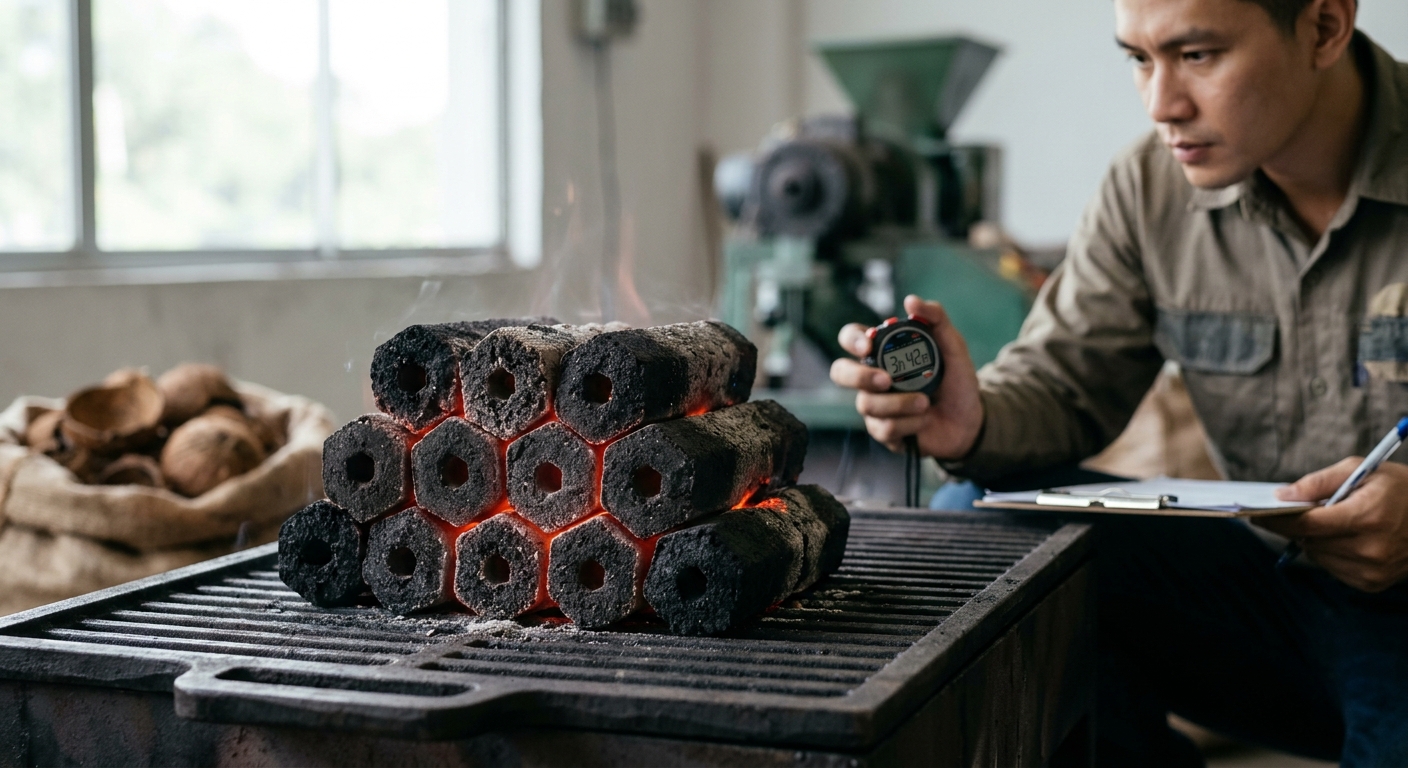
Introduction to Premium Coconut Charcoal
In the world of grilling, smoking, and hookah, the fuel you choose fundamentally dictates the quality of your experience. Among the myriad of options available on the market, coconut charcoal has emerged as the gold standard for enthusiasts and professionals alike. Specifically, seeking out the longest burn time coconut charcoal is a pursuit of efficiency, consistency, and clean energy. Derived from the natural shells of coconuts, this eco-friendly alternative to traditional wood charcoal offers a unique set of characteristics that make it highly desirable.
Understanding what gives coconut charcoal its exceptional longevity requires a look into its manufacturing process, density, and physical properties. In this comprehensive guide, we will explore the science behind its extended burn time, the benefits it brings to your sessions, and how to select the absolute best products available today.
The Science Behind the Burn Time
The secret to the extended burn time of coconut charcoal lies primarily in its density and carbon content. Unlike traditional lump charcoal, which is often porous and irregular, high-quality coconut charcoal is manufactured through a meticulous process of carbonization, grinding, and extrusion or pressing. The coconut shells are burned in a low-oxygen environment to remove moisture and volatile compounds, leaving behind nearly pure carbon.
This carbonized material is then ground into a fine powder, mixed with a natural binder (usually a food-grade starch like tapioca), and pressed under immense pressure into uniform shapes. This high-pressure pressing eliminates air pockets, resulting in an incredibly dense briquette. Because fire requires oxygen to burn, the lack of internal air pockets means the charcoal burns slowly from the outside in. The higher the density and carbon content (ideally above 80%), the longer the charcoal will burn.
Benefits of Long-Lasting Coconut Charcoal
Investing in the longest burn time coconut charcoal offers several distinct advantages over conventional charcoal options:
- Extended Sessions: Whether you are smoking a brisket for 12 hours or enjoying a relaxed hookah session, long-burning charcoal means fewer interruptions to add more fuel. High-quality coconut briquettes can easily burn for 1.5 to 3 hours in a hookah setup, and much longer in a well-insulated grill.
- Consistent Heat Output: Due to its uniform density, coconut charcoal provides a steady, even temperature throughout its burn cycle. This prevents frustrating temperature spikes and drops that can ruin delicate meats or scorch hookah shisha.
- Low Ash Production: Premium coconut charcoal leaves behind significantly less ash compared to wood charcoal—often less than 3% of its original volume. This prevents ash from blowing onto your food or clogging your airflow.
- Neutral Flavor and Odor: Coconut shell charcoal contains no sulfur or chemical additives. It burns completely clean, ensuring that only the pure flavors of your food or shisha are experienced.
- Eco-Friendly and Sustainable: No trees are cut down to produce coconut charcoal. It is an ingenious way to upcycle the waste product of the coconut meat and water industries.
Comparing Coconut Charcoal Shapes
The shape of your coconut charcoal plays a significant role in its overall burn time and application. Below is a comparison of the most common shapes available on the market to help you choose the right fuel for your specific needs.
| Charcoal Shape | Average Burn Time | Primary Application | Heat Output Profile |
|---|---|---|---|
| Standard Cubes (25mm) | 90 - 120 Minutes | Hookah / Small Grills | High, concentrated heat |
| Flat Rectangles | 60 - 90 Minutes | Hookah (Lotus style devices) | Medium, evenly distributed heat |
| Hexagonal Logs | 4 - 6 Hours | BBQ / Low and Slow Smoking | Steady, prolonged heat |
How to Maximize Your Charcoal's Burn Time
Even if you purchase the highest quality coconut charcoal, improper usage can drastically reduce its efficiency. To achieve the absolute longest burn time, consider the following professional tips:
1. Proper Lighting Techniques
Coconut charcoal must be fully lit before use. Because it is so dense, it takes longer to ignite than traditional charcoal. Use an electric coil burner or a chimney starter, and wait until the briquettes are completely covered in a thin layer of gray ash. Lighting them only halfway will result in uneven burning, lower temperatures, and a shorter overall lifespan.
2. Master Airflow Management
Oxygen is the catalyst for fire. In a grill or smoker, wide-open vents will cause the charcoal to burn hotter and faster. To extend the burn time, carefully adjust your intake and exhaust vents to maintain your target temperature with the minimum necessary airflow. For hookah users, using a heat management device (HMD) with a lid can restrict airflow just enough to prolong the life of the coals.
3. Optimal Storage Conditions
Moisture is the enemy of charcoal. If coconut charcoal absorbs humidity from the air, it will struggle to light, pop and spark, and burn out quickly. Always store your charcoal in a heavy-duty, airtight container in a cool, dry place. If your charcoal has been exposed to high humidity, you may notice a significant decrease in its maximum burn time.
Choosing the Best Brand on the Market
When shopping for the longest burn time coconut charcoal, reading the packaging is crucial. Look for brands that explicitly state their carbon content, ash content, and the absence of chemical accelerants. Professional-grade brands often boast a carbon content of 82% or higher and an ash content of less than 2.5%. Additionally, perform the "drop test" if possible: a high-quality, dense coconut coal should produce a metallic clink when dropped on a hard surface, rather than a dull thud, indicating superior density and lack of moisture.
Conclusion
Securing the longest burn time coconut charcoal elevates your culinary and leisure experiences from average to exceptional. By leveraging the natural density of coconut shells and advanced manufacturing processes, this sustainable fuel offers unparalleled consistency, heat retention, and cleanliness. Whether you are a competitive pitmaster aiming for the perfect smoke ring or a hookah aficionado seeking an uninterrupted session, understanding how to select, light, and manage coconut charcoal will ensure you get the absolute most out of every briquette.
Frequently Asked Questions
How long does premium coconut charcoal take to light?
Due to its high density, premium coconut charcoal typically takes between 10 to 15 minutes to fully ignite on an electric coil burner or in a chimney starter. It is ready to use when all sides are glowing red and covered in a light layer of gray ash.
Can I use coconut charcoal indoors?
While coconut charcoal burns incredibly clean and produces very little smoke, it still produces carbon monoxide when burned. If you are using it for hookah indoors, ensure the room is exceptionally well-ventilated. It should never be used for grilling indoors without a commercial-grade exhaust system.
Why is my coconut charcoal turning black and dying out?
If your coconut charcoal is blacking out, it is usually due to a lack of oxygen or because it was not fully lit before being used. Ensure you leave the coals on the burner until they are fully glowing. If using a heat management device, ensure there is adequate airflow to keep the combustion process active.
Does coconut charcoal add a coconut flavor to food?
No, high-quality coconut charcoal is completely flavorless and odorless. The carbonization process removes all the organic compounds that would produce a coconut scent or taste, leaving only pure carbon to provide clean heat.
Comments
Post a Comment