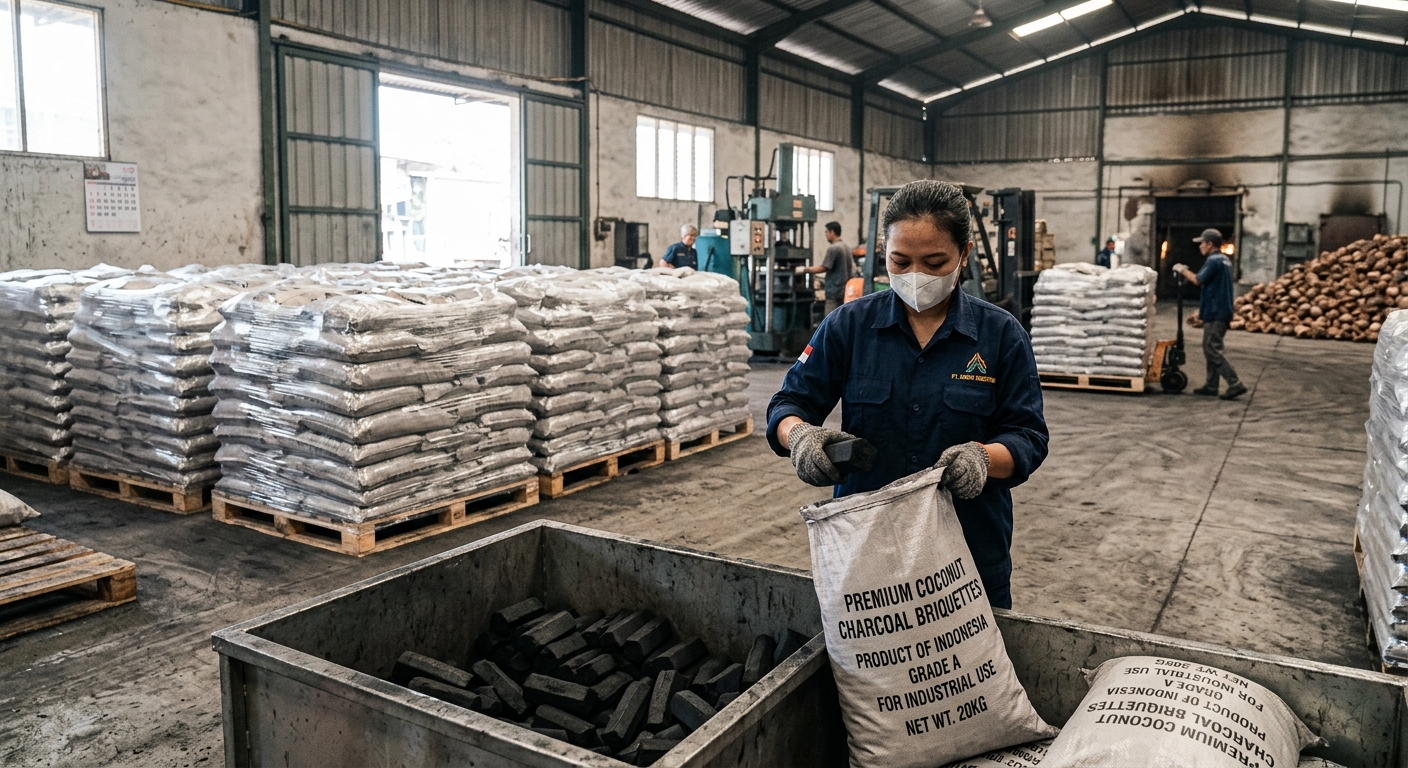
Introduction to Indonesian Charcoal Sourcing
The global demand for high-quality charcoal has surged in recent years, driven by various industries ranging from metallurgy and pharmaceuticals to shisha lounges and outdoor barbecues. Among the top producers globally, Indonesia stands out as a premier destination for B2B charcoal sourcing. Blessed with abundant natural resources, a skilled workforce, and a strategic geographical location, Indonesia offers unparalleled opportunities for businesses looking to import premium charcoal products. Navigating an Indonesian charcoal factory for B2B sourcing requires a deep understanding of the local market, quality control standards, and international logistics. This guide provides a comprehensive overview of how to successfully source charcoal from Indonesian factories, ensuring your business secures the best products at competitive prices.
Why Choose Indonesia for Charcoal Production?
Indonesia's dominance in the global charcoal market is not a coincidence. The archipelago nation possesses a unique combination of factors that make it the ideal hub for charcoal production. Firstly, Indonesia has an extensive coastline lined with coconut plantations, making it the world's largest producer of coconuts. The shells, often considered agricultural waste, are the primary raw material for premium coconut shell charcoal briquettes, highly sought after for shisha and hookah applications due to their high heat, low ash, and lack of odor.
Beyond coconut shells, Indonesia's vast sustainable forests and timber industries provide an abundant supply of hardwood, such as Halaban and Tamarind, which are excellent for culinary and industrial charcoal. Furthermore, the Indonesian government has made significant strides in supporting export-oriented manufacturing, streamlining customs procedures, and promoting sustainable forestry practices. For B2B buyers, this translates to a reliable supply chain, diverse product offerings, and the ability to source large volumes year-round.
Understanding the Types of Indonesian Charcoal
Before engaging with an Indonesian charcoal factory, it is crucial to understand the different types of charcoal available. Each type possesses distinct characteristics suited for specific applications. By understanding these differences, B2B buyers can make informed decisions that align with their market demands.
The following table compares the three most common types of charcoal sourced from Indonesian factories, highlighting their key attributes for B2B buyers.
| Charcoal Type | Ash Content | Average Burn Time | Primary B2B Application |
|---|---|---|---|
| Coconut Shell Briquettes | Below 2.5% | 120 Minutes | Shisha / Hookah Lounges |
| Hardwood Lump (Halaban) | Below 4.0% | 90 Minutes | Restaurant Barbecues |
| Sawdust Briquettes (Hexagonal) | Below 5.0% | 240 Minutes | Industrial Heating / Grilling |
Key Factors in B2B Sourcing and Quality Control
When sourcing from an Indonesian charcoal factory, quality control is the linchpin of a successful B2B relationship. Unlike consumer purchasing, B2B sourcing involves large volumes where inconsistencies can lead to significant financial losses and brand damage. Therefore, implementing stringent quality control protocols is non-negotiable.
1. Raw Material Verification: The quality of the final charcoal product depends heavily on the raw materials used. Ensure that the factory uses 100% natural coconut shells for shisha briquettes, free from synthetic fillers or chemical binders. For hardwood charcoal, verify that the wood is sourced legally and sustainably, preferably with certifications like SVLK (Indonesian Timber Legality Assurance System).
2. Production Process Audits: A reliable factory should maintain standardized production processes. This includes proper carbonization techniques to maximize fixed carbon content, rigorous crushing and mixing procedures, and controlled drying methods. Factories utilizing industrial ovens for drying generally produce more consistent moisture levels compared to sun-drying, which is susceptible to weather fluctuations.
3. Laboratory Testing: Always request independent laboratory analysis reports. Key metrics to evaluate include moisture content (should be below 5%), volatile matter (affects ignition and smoke), fixed carbon (higher percentage means higher heat and longer burn), and ash content (lower is better). Drop tests should also be conducted to ensure briquette durability during transit.
Navigating the Supply Chain and Logistics
Moving large shipments of charcoal from an Indonesian factory to an international destination involves complex logistics. Charcoal is often classified as a dangerous good under the International Maritime Dangerous Goods (IMDG) code due to its potential for spontaneous combustion. Therefore, proper documentation and handling are paramount.
To navigate this, B2B buyers must work closely with their manufacturing partners and freight forwarders. The factory must provide a Self-Heating Test certificate from a recognized laboratory (such as Sucofindo or Carsurin), proving the charcoal is safe for ocean freight. Additionally, the packaging must be robust—typically utilizing inner plastic liners to prevent moisture absorption, packed into sturdy master cartons.
Understanding Incoterms is also critical. While FOB (Free On Board) is common, allowing the buyer control over the sea freight, some buyers prefer CIF (Cost, Insurance, and Freight) for convenience. Clear communication regarding lead times, payment terms (often involving Letters of Credit or T/T with deposits), and container loading inspections will mitigate risks and ensure a smooth transaction.
Conclusion
Sourcing from an Indonesian charcoal factory offers immense potential for B2B enterprises seeking high-quality, cost-effective fuel solutions. From the premium coconut shell briquettes favored by global shisha markets to the robust hardwood lump charcoal demanded by the culinary industry, Indonesia's offerings are vast and superior in quality. However, success in this arena requires meticulous due diligence, a strong emphasis on quality control, and a thorough understanding of international shipping regulations. By building transparent, communicative partnerships with reputable Indonesian manufacturers, businesses can secure a resilient supply chain and capitalize on the growing global demand for premium charcoal.
Frequently Asked Questions
What makes Indonesian coconut shell charcoal better for shisha?
Indonesian coconut shell charcoal is highly prized for shisha because it has a very high fixed carbon content, which provides a long, stable burn time. Furthermore, it produces zero smoke, leaves minimal white ash (typically under 2.5%), and is completely odorless, ensuring it does not interfere with the flavor of the shisha tobacco.
Is charcoal from Indonesia shipped as dangerous goods?
Charcoal can be classified as a dangerous good (Class 4.2, substance liable to spontaneous combustion) under international maritime regulations. However, if the Indonesian charcoal factory passes a recognized Self-Heating Test (MMS test), the shipment can often be reclassified and shipped as non-hazardous, though specific shipping lines may still have strict documentation requirements.
How can I verify the legitimacy of an Indonesian charcoal factory?
To verify a factory, request their business licenses, export permits, and recent laboratory test reports from recognized institutions like Sucofindo. It is also highly recommended to conduct a site visit or hire a third-party inspection agency in Indonesia to audit the facility, check production capacity, and perform pre-shipment inspections.
What are the standard payment terms for B2B charcoal sourcing in Indonesia?
Standard payment terms usually involve a Telegraphic Transfer (T/T), typically a 30% to 50% deposit upon order confirmation, with the remaining balance paid against the copy of the Bill of Lading (B/L). For very large, recurring orders, an irrevocable Letter of Credit (L/C) at sight may be negotiated to protect both the buyer and the supplier.
Comments
Post a Comment