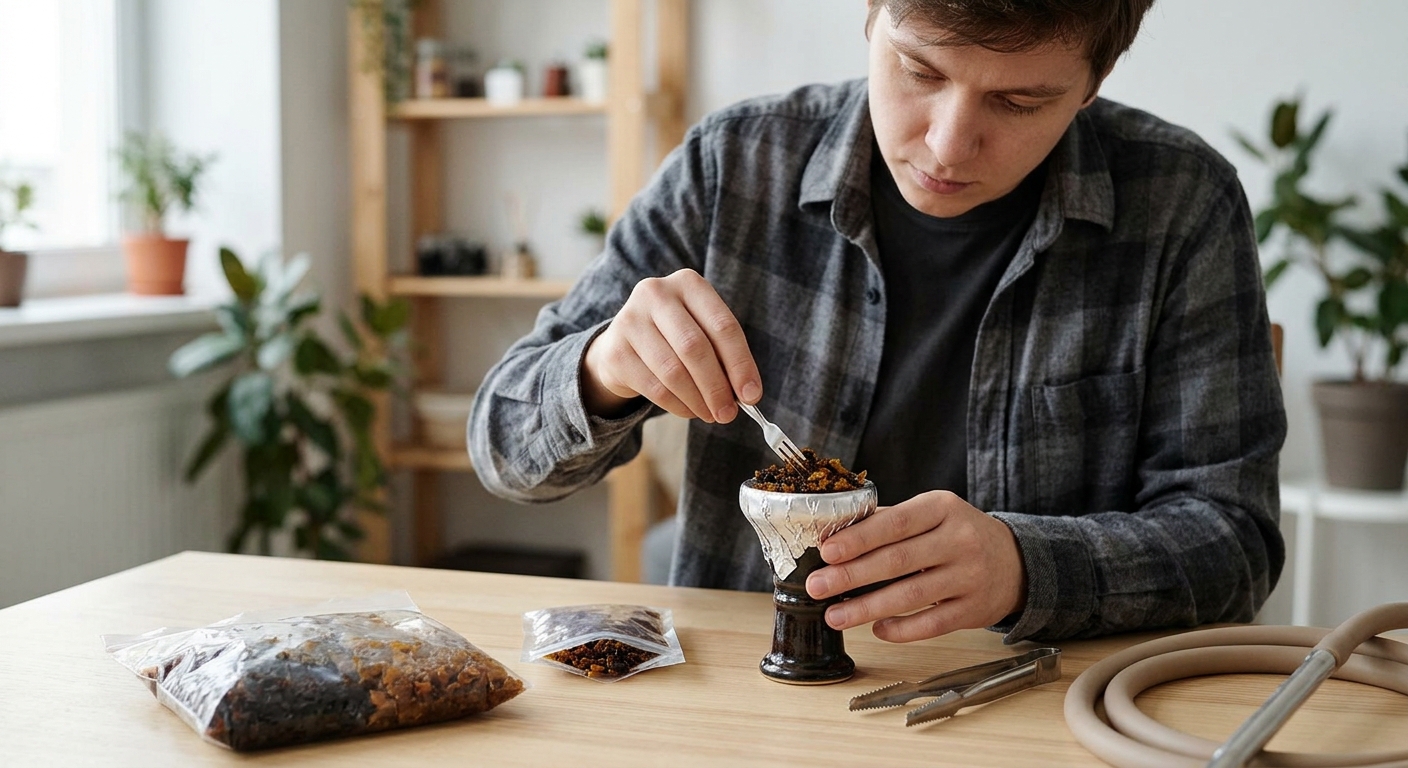
Introduction to Packing a Hookah Bowl
Packing a hookah bowl is often considered an art form. Whether you are a beginner or a seasoned enthusiast, mastering how to pack a hookah bowl is essential for achieving the perfect balance of flavor, thick smoke clouds, and a long-lasting session. The way you prepare your shisha directly influences heat management, airflow, and the overall quality of your smoking experience. In this comprehensive guide, we will walk you through the professional steps and techniques to pack your hookah bowl perfectly every time.
Understanding Your Hookah Bowl and Shisha
Before diving into the packing process, it is important to understand the materials you are working with. Different types of bowls and shisha tobacco require slightly different approaches. There are three main types of shisha tobacco: blonde leaf, dark leaf, and herbal (tobacco-free). Each has a different moisture level and cut, which dictates how it should be packed.
Below is a comparison of common hookah bowl types to help you choose the best one for your preferred packing method and shisha type.
| Bowl Type | Best Shisha Type | Airflow Quality | Heat Retention |
|---|---|---|---|
| Egyptian (Traditional) | Blonde Leaf | Moderate | Medium |
| Phunnel | Blonde & Dark Leaf | Excellent | High |
| Vortex | Blonde Leaf & Herbal | Good | Medium |
Step-by-Step Guide: How to Pack a Hookah Bowl
Step 1: Prepare the Shisha Tobacco
Start by opening your shisha container and giving it a good mix. The juices (molasses and glycerin) tend to settle at the bottom over time. Mixing ensures that the tobacco leaves are evenly coated, which is crucial for consistent flavor and vapor production. If the leaves are excessively large, you can use a small pair of scissors to chop them into smaller, more uniform pieces.
Step 2: Choose Your Packing Method
The packing method you choose depends heavily on the type of shisha you are using:
- Fluff Pack: Best for blonde leaf tobacco. This method involves lightly sprinkling the tobacco into the bowl to allow maximum airflow.
- Normal/Semi-Dense Pack: Ideal for most modern shishas. It involves slightly patting down the tobacco to increase the density while maintaining good airflow.
- Dense Pack: Exclusively used for dark leaf tobacco (like Tangiers). The tobacco is pressed tightly into the bowl to restrict airflow and manage the high nicotine and heat sensitivity.
Step 3: Loading the Bowl
Using your fingers or a small shisha fork, begin transferring the mixed tobacco into your bowl. For a standard fluff pack (the most common method for beginners), gently sprinkle the leaves into the bowl, allowing them to fall naturally without pressing them down. Make sure to distribute the tobacco evenly around the bowl.
Step 4: Creating Proper Airflow
Airflow is the key to a smooth draw. If you are using a traditional Egyptian bowl with holes at the bottom, make sure the holes are not blocked by the tobacco. You can use a toothpick or a foil poker to gently clear a path through the shisha down to the holes. If you are using a Phunnel bowl, ensure that no tobacco is resting on the central spire, as this can block the draw and cause juices to leak down the stem.
Step 5: Managing the Fill Level
One of the most common mistakes is overpacking. Your shisha should sit just below the rim of the bowl—typically about 1 to 2 millimeters below. This gap is vital because it prevents the shisha from touching the foil or heat management device (HMD) directly. If the tobacco touches the heat source, it will burn rapidly, resulting in a harsh, unpleasant taste.
Step 6: Applying Foil or an HMD
If you are using aluminum foil, tear off a square piece of heavy-duty foil. Stretch it tightly over the top of the bowl so it resembles the surface of a drum. Use a poker to poke small, evenly spaced holes around the foil. If you are using an HMD (Heat Management Device), simply place it securely on top of the packed bowl.
Common Packing Mistakes to Avoid
To ensure a flawless session, avoid these common pitfalls:
- Overpacking: As mentioned, filling past the rim leads to burning.
- Underpacking: Too little shisha will result in weak smoke and a short session.
- Ignoring Airflow: Blocking the holes will make the hookah very difficult to draw from.
- Not Mixing the Shisha: Failing to mix the juices will result in dry hits at the top and a soggy mess at the bottom.
Conclusion
Knowing how to pack a hookah bowl correctly is the foundation of a great smoking experience. By understanding your equipment, properly preparing your shisha, choosing the correct packing density, and managing airflow and fill levels, you can consistently achieve flavorful, thick, and long-lasting sessions. Take your time, experiment with different techniques based on your shisha type, and elevate your hookah preparation skills to a professional level.
Frequently Asked Questions
Why does my hookah taste burnt?
A burnt taste usually occurs when the shisha tobacco is packed too high and makes direct contact with the foil or heat management device. It can also happen if you apply too much heat (too many coals) at once. Ensure you leave a slight gap between the shisha and the rim of the bowl.
How much shisha should I put in the bowl?
The exact amount depends on the size and style of your bowl, but generally, you should fill the bowl so that the tobacco sits 1-2 millimeters below the rim. For an average-sized bowl, this is typically between 15 and 20 grams of shisha.
Do I need to dry my shisha before packing?
In most cases, no. The juices contain the flavor and glycerin needed for vapor production. However, if you have an extremely wet brand and are using a traditional bowl (where juices might leak down the stem), you can lightly pat the tobacco with a paper towel, though a Phunnel bowl is a better solution for wet shisha.
What is the difference between a fluff pack and a dense pack?
A fluff pack involves lightly sprinkling the tobacco to maximize airflow, which is ideal for blonde leaf shisha. A dense pack involves pressing the tobacco down tightly to restrict airflow and slow the burn rate, a method required for dark leaf tobacco due to its high heat sensitivity.
Comments
Post a Comment