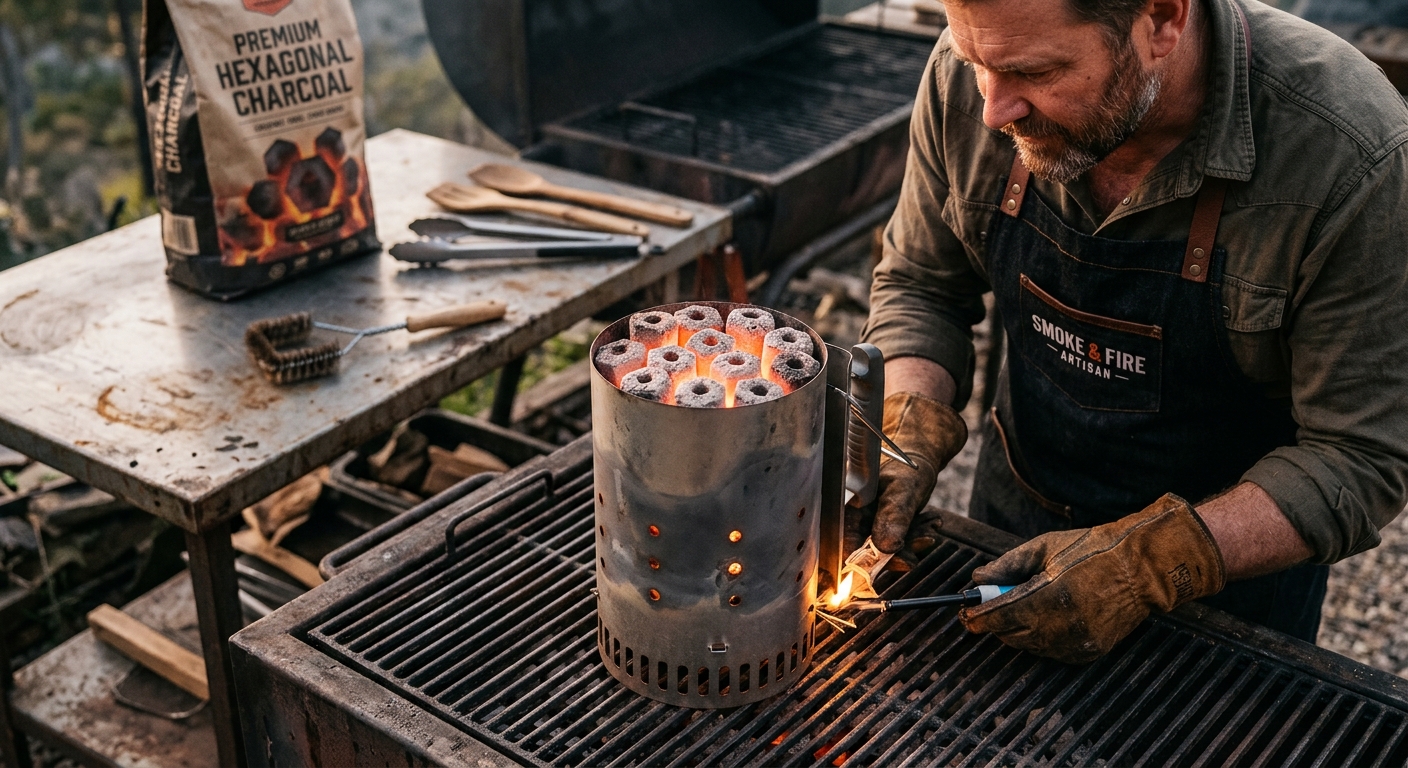
When it comes to achieving a long-lasting, consistent, and smoke-free burn for grilling, smoking, or using a hookah, hexagonal charcoal is widely regarded as an industry standard. These extruded charcoal briquettes are prized for their high density and geometric shape, which allows them to pack tightly and burn evenly. However, because of their dense composition, lighting hexagonal charcoal requires a bit more patience and specific techniques compared to standard lump charcoal or traditional briquettes. In this comprehensive guide, we will explore the best methods for how to light hexagonal charcoal safely and effectively.
Understanding Hexagonal Charcoal
Hexagonal charcoal, often referred to as extruded charcoal or hex logs, is typically made from sawdust, coconut shells, or bamboo that has been carbonized and compressed under immense pressure without the use of chemical binders. The resulting product is a high-density charcoal log with a central hole that facilitates airflow. The high density of this charcoal means it has a higher ignition point, which is why traditional lighting methods like matches and newspaper often fail to get it going properly.
Because it lacks the chemical accelerants found in many quick-light briquettes, hexagonal charcoal provides a cleaner burn, making it ideal for culinary applications and shisha sessions where flavor purity is paramount.
Essential Tools for Lighting Hexagonal Charcoal
Before attempting to light your charcoal, it is crucial to gather the right tools. Using the proper equipment will not only speed up the process but also ensure your safety.
- Charcoal Chimney Starter: The most reliable tool for lighting any natural charcoal.
- Electric Charcoal Starter (Coil or Wand): An excellent, chemical-free alternative that uses intense heat to ignite the coals.
- Propane Torch or Heat Gun: Ideal for precision lighting and getting the charcoal started quickly.
- Natural Fire Starters: Wax-coated wood shavings or tumbleweeds to provide a sustained flame under a chimney.
- Heat-Resistant Gloves: Essential for handling hot equipment safely.
- Long Metal Tongs: For arranging the lit charcoal precisely where you need it.
Top Methods for Lighting Hexagonal Charcoal
Method 1: The Chimney Starter Technique
The chimney starter is a cylindrical metal tube with a grate inside, designed to draw air up from the bottom, creating a concentrated column of heat. This is arguably the most efficient and safest method for lighting hexagonal charcoal.
First, place two or three natural fire starters on the charcoal grate of your grill. Next, stand your hexagonal charcoal logs upright inside the chimney starter. Because of their shape, standing them vertically allows the flames to travel up through the central holes, maximizing airflow and heat transfer. Place the filled chimney starter directly over the natural fire starters and ignite the starters.
Allow the charcoal to burn for approximately 20 to 30 minutes. You will know the hexagonal charcoal is ready when the edges begin to turn white with ash and you can see an intense orange glow emanating from the center holes. Carefully pour the lit coals into your grill or smoker using heat-resistant gloves.
Method 2: Using an Electric Charcoal Starter
Electric starters are highly effective for dense charcoal because they deliver sustained, intense heat without the need for an open flame or combustible starters. There are two main types: the electric coil and the hot air wand.
If using an electric coil, bury the heating loop beneath a pile of hexagonal charcoal in your grill. Plug in the device and wait. The intense heat from the coil will ignite the surrounding coals within 10 to 15 minutes. Once the coals are glowing red, unplug and carefully remove the coil, placing it on a heat-safe surface to cool. Then, use tongs to arrange the lit coals.
If using a hot air wand, point the nozzle directly at the base of the hexagonal logs. Within a minute, you will see sparks. Slowly pull the wand back a few inches while keeping it aimed at the same spot to fan the flames. Repeat this process on a few different logs until you have a solid foundation of lit charcoal.
Method 3: The Propane Torch Method
For outdoor use, a standard propane weed burner or a heavy-duty culinary torch can light hexagonal charcoal rapidly. This method requires extreme caution but is favored by professional pitmasters for its speed.
Arrange your hexagonal charcoal in the desired configuration in your firebox. Ignite your torch and apply the direct flame to the ends of the charcoal logs, focusing specifically on the central holes. The forced air and intense heat from the torch will ignite the charcoal within 3 to 5 minutes. Once the edges are glowing, turn off the torch and allow the ambient airflow to continue spreading the fire through the logs.
Comparing Charcoal Lighting Methods
To help you choose the best approach for your specific needs, the following table compares the three primary methods for lighting hexagonal charcoal based on estimated time to ignition, required equipment, and safety considerations.
| Lighting Method | Estimated Time | Primary Equipment | Safety Level |
|---|---|---|---|
| Chimney Starter | 20 - 30 minutes | Chimney, Fire Starters | High |
| Electric Starter | 10 - 15 minutes | Electric Coil / Wand, Outlet | Medium-High |
| Propane Torch | 3 - 5 minutes | Propane Torch | Medium |
Best Practices for a Perfect Burn
Once you know how to light hexagonal charcoal, maintaining that fire is the next step to success. Here are some professional best practices:
- Ensure Maximum Airflow: Hexagonal charcoal needs oxygen. Never pack the logs too tightly flat against each other; instead, stack them in a crisscross pattern or stand them upright to allow air to pass through the central holes.
- Patience is Key: Do not rush the process. If you start cooking before the charcoal is fully ignited (indicated by a light coating of white ash), you risk uneven cooking temperatures and the fire potentially dying out.
- Avoid Lighter Fluid: Never use liquid chemicals to light hexagonal charcoal. Not only will the dense charcoal not absorb it properly, but it will also impart a foul, chemical taste to your food.
- Store Charcoal Properly: Hexagonal charcoal is prone to absorbing ambient moisture. Always store your unlit charcoal in an airtight container or a heavy-duty, sealed bag in a dry environment. Damp charcoal is incredibly difficult to light.
Conclusion
Learning how to light hexagonal charcoal effectively is a vital skill for anyone serious about grilling, smoking, or achieving the perfect shisha session. While its high density makes it resistant to quick-lighting methods, utilizing tools like a chimney starter, an electric wand, or a propane torch will ensure a successful ignition. By understanding the unique properties of this extruded charcoal and following the best practices for airflow and storage, you can unlock hours of clean, consistent, and high-temperature heat for all your culinary and recreational needs.
Frequently Asked Questions (FAQ)
Why does hexagonal charcoal take so long to light?
Hexagonal charcoal is manufactured under extreme pressure, resulting in a very high-density product. This density means there is less oxygen internally to aid combustion, requiring a higher temperature and more sustained heat source to reach its ignition point compared to standard lump charcoal.
Can I use lighter fluid on hexagonal charcoal?
It is highly discouraged. Because the charcoal is so dense, it does not absorb lighter fluid well. The fluid will simply burn off the surface quickly without igniting the core of the charcoal, leaving behind a chemical residue that can ruin the flavor of your food or smoke.
How do I know when hexagonal charcoal is ready to use?
Hexagonal charcoal is ready when the sharp edges have turned white with ash and you can clearly see a bright orange glow emanating from the central hole of the logs. This usually takes between 20 and 30 minutes depending on the lighting method used.
Can hexagonal charcoal be reused?
Yes. Because of its long burn time, if you finish your cooking session before the charcoal is consumed, you can snuff out the fire by cutting off the oxygen supply (closing all grill vents). Once completely cooled, the remaining unburnt portions of the hexagonal logs can be relit and used in your next session.
Comments
Post a Comment