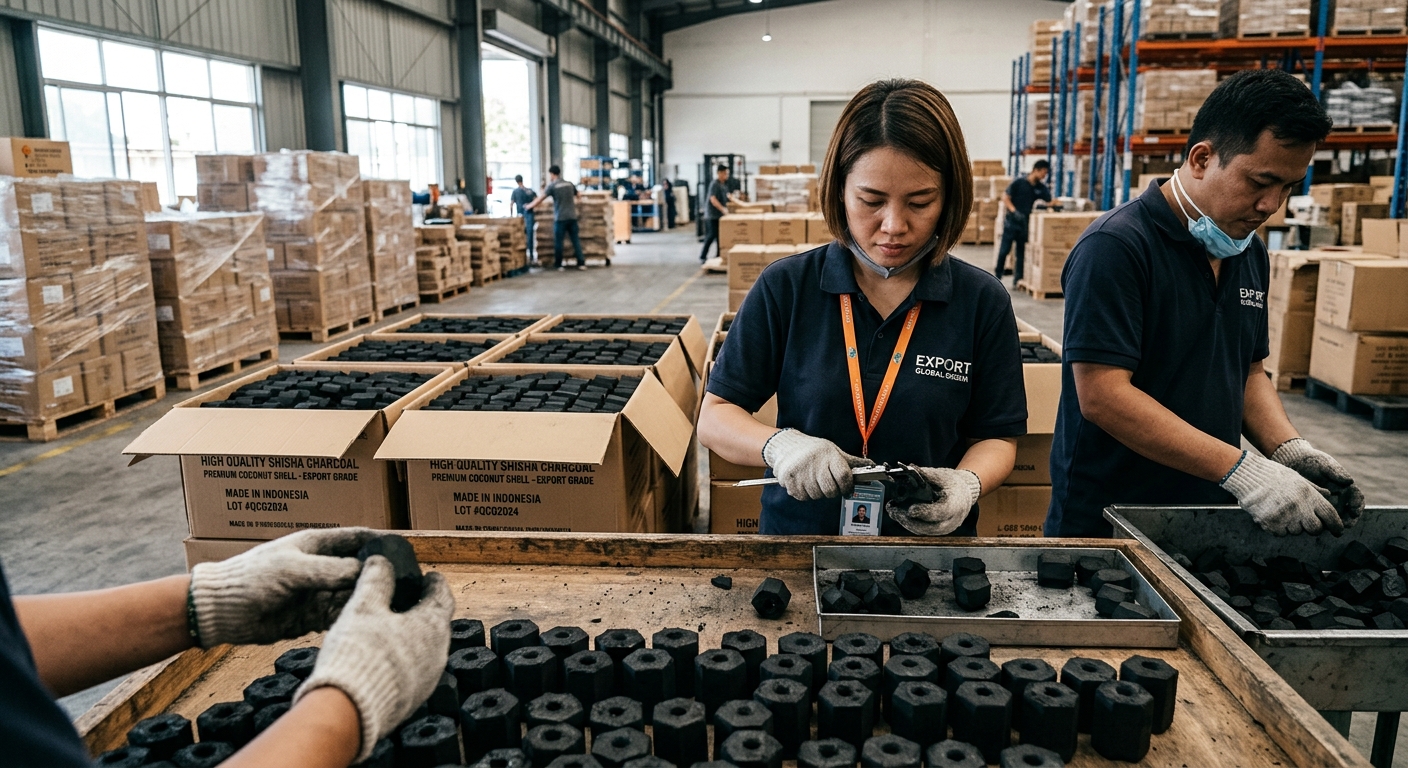
Introduction to High Quality Shisha Charcoal Export
The global demand for premium shisha (hookah) charcoal has seen a significant surge over the past decade. As hookah lounge culture expands and personal consumption grows across Europe, the Middle East, and North America, the need for clean-burning, long-lasting charcoal has never been higher. Exporting high quality shisha charcoal is a lucrative venture for businesses that can navigate the complexities of international trade, quality control, and supply chain logistics.
This comprehensive guide delves into the crucial aspects of the high quality shisha charcoal export industry. From understanding the raw materials and manufacturing processes to identifying key markets and ensuring compliance with international standards, this article provides valuable insights for exporters, manufacturers, and buyers alike.
Understanding the Raw Materials
The foundation of any high quality shisha charcoal lies in its raw materials. Unlike standard BBQ charcoal, shisha charcoal requires a purer, more consistent base to ensure it doesn't interfere with the flavor of the shisha tobacco.
Coconut Shells: The Gold Standard
The vast majority of premium shisha charcoal is made from 100% natural coconut shells. Sourced primarily from tropical regions like Indonesia, Malaysia, and the Philippines, coconut shell charcoal is favored for its high carbon content and density. When processed correctly, it yields a briquette that burns hotter, lasts longer, and produces minimal ash compared to other wood-based alternatives.
Wood and Bamboo Alternatives
While coconut is king, some markets still utilize lemon wood, orange wood, or bamboo. These materials can produce a quick-lighting charcoal, but they often burn faster and may impart a slight taste to the smoke. For high-end export markets, coconut shell charcoal remains the absolute standard.
The Manufacturing Process for Export Quality
Transforming raw coconut shells into premium export-grade shisha charcoal is a meticulous process that requires strict quality control at every stage.
- Carbonization: The coconut shells are burned in a controlled, low-oxygen environment. This removes moisture and volatile compounds, leaving behind pure carbon.
- Crushing and Sieving: The carbonized shells are crushed into a fine powder and sieved to remove impurities and ensure a uniform particle size.
- Mixing with Binder: The charcoal powder is mixed with a natural binder, typically tapioca starch and water, to help the briquettes hold their shape. High-quality manufacturers use minimal binder (usually under 5%) to maintain the charcoal's purity.
- Pressing and Extrusion: The mixture is pressed or extruded into the desired shapes, most commonly cubes (e.g., 22mm, 25mm, or 26mm), flats, or hexagonal logs.
- Drying: The briquettes are slowly dried in large industrial ovens to reduce the moisture content to below 5%. Proper drying is critical to prevent cracking during combustion.
Comparing Premium vs. Standard Shisha Charcoal
To understand what makes a product "export quality," it is helpful to compare the specifications of premium coconut charcoal against standard wood-based charcoal.
| Feature | Premium Coconut Charcoal | Standard Wood Charcoal |
|---|---|---|
| Raw Material | 100% Coconut Shells | Mixed Hardwoods |
| Burn Time | 90 to 120 minutes | 45 to 60 minutes |
| Ash Content | Less than 2.5% | 5% to 8% |
| Odor and Taste | Odorless, tasteless | Slight smoky taste |
| Lighting Time | 8 to 12 minutes (needs stove) | Instant (chemical accelerants) |
Key Export Markets and Logistics
The export of shisha charcoal involves understanding the distinct preferences and regulatory requirements of various international markets.
Top Importing Regions
- The Middle East: A traditional and massive market. Buyers here demand the highest quality, longest-burning cubes.
- Europe: Countries like Germany, Russia, and Spain have booming hookah cultures. European buyers are highly focused on eco-friendly, low-ash, and tightly regulated products.
- North America: The US market is growing rapidly, with a preference for large cubes (25mm or 26mm) and strong, recognizable branding.
Shipping and Regulations
Exporting charcoal requires careful logistical planning. Charcoal is often classified as a hazardous material (Dangerous Goods, Class 4.2) due to the risk of spontaneous combustion. Exporters must obtain a Self-Heating Test Certificate (often referred to as an SHT or Vanning Certificate) from an accredited laboratory to prove the charcoal is safe for ocean freight. Proper packaging, usually in moisture-proof inner plastic bags and sturdy outer master cartons, is essential to protect the product during long transits.
Conclusion
The high quality shisha charcoal export market offers immense opportunities for businesses that prioritize excellence. By focusing on superior raw materials like coconut shells, maintaining rigorous manufacturing standards, and navigating the complex logistics of international shipping, exporters can build a strong reputation in this growing industry. As consumer preferences continue to shift towards natural, clean-burning products, the demand for premium shisha charcoal is poised for sustained growth.
Frequently Asked Questions
What makes coconut shell charcoal better for shisha?
Coconut shell charcoal is incredibly dense and has a high carbon content. This means it burns hotter and significantly longer than wood charcoal. Crucially, it produces no smoke, odor, or sparks, ensuring that the true flavor of the shisha tobacco is not altered.
Why is shisha charcoal considered a dangerous good for shipping?
Charcoal has the potential to self-heat and spontaneously combust if not manufactured or packed correctly. Therefore, maritime regulations often classify it as a hazardous material, requiring specific safety tests and certifications before it can be loaded onto a vessel.
What are the most popular sizes for export shisha charcoal?
The most popular sizes for export are cubes, specifically 25x25x25mm and 26x26x26mm. These sizes offer an optimal balance of surface area and density, providing a steady heat output for 90 to 120 minutes.
How do I verify the quality of a shisha charcoal supplier?
Request independent laboratory test reports detailing moisture content, ash content, fixed carbon, and volatile matter. Additionally, ask for samples to test the burn time, ash color, and structural integrity of the briquettes yourself before committing to a large container order.
Comments
Post a Comment