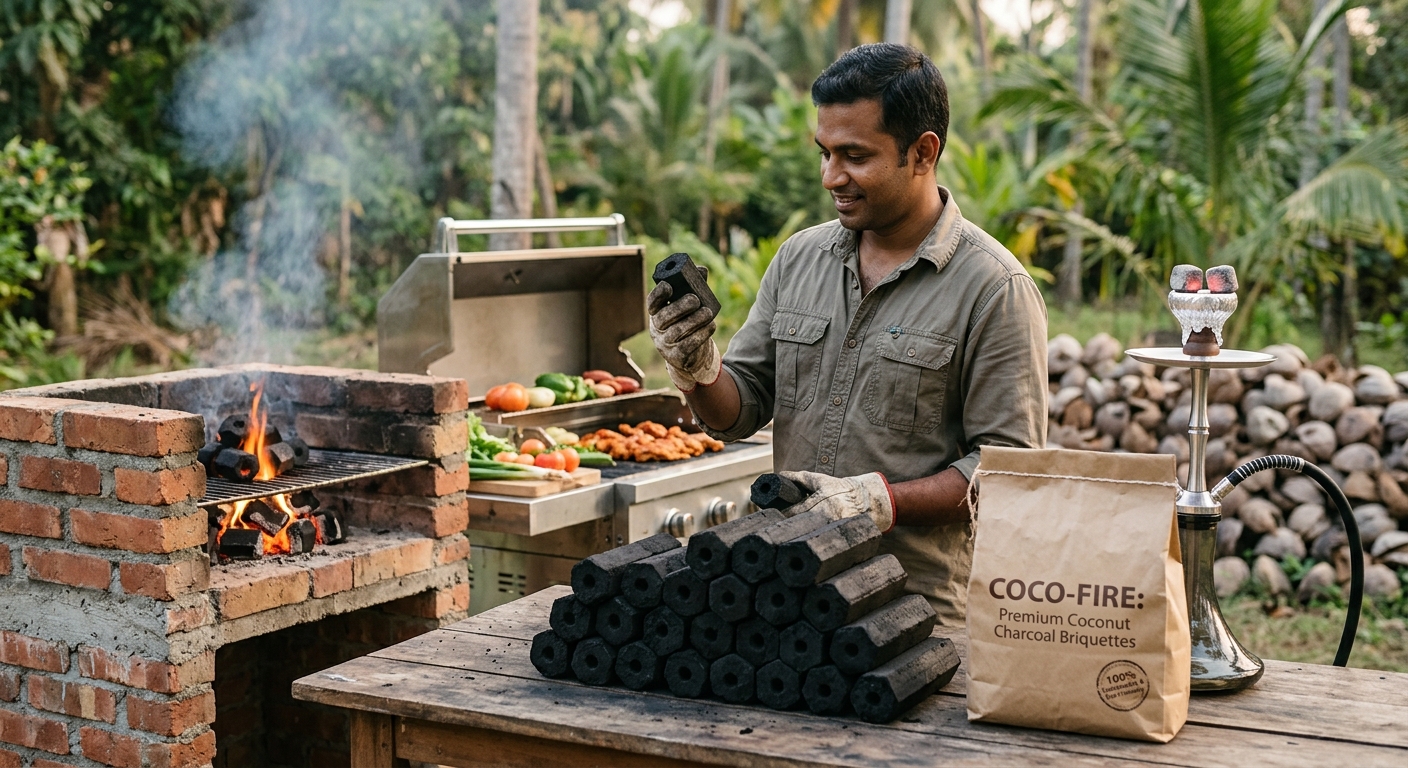
Introduction to Eco-Friendly Coconut Charcoal Briquettes
In recent years, the push for more sustainable and environmentally friendly products has reached almost every industry, and the charcoal market is no exception. Eco-friendly coconut charcoal briquettes have emerged as a superior alternative to traditional wood charcoal. Made from repurposed coconut shells, these briquettes offer a cleaner, longer-lasting, and more sustainable option for grilling enthusiasts and hookah users alike. In this comprehensive guide, we will explore the numerous benefits, the production process, and the practical applications of coconut charcoal briquettes.
How Coconut Charcoal Briquettes are Made
The production of coconut charcoal briquettes is a prime example of upcycling. Instead of discarding coconut shells after the meat and water have been harvested, these shells are collected and transformed into a highly efficient fuel source.
The Carbonization Process
First, the coconut shells undergo carbonization, a process where they are burned in an oxygen-restricted environment. This removes moisture and volatile impurities, leaving behind pure carbon. The resulting coconut shell charcoal is then crushed into a fine powder.
Binding and Shaping
To form the briquettes, the fine charcoal powder is mixed with a natural binder, typically tapioca starch or a similar organic material. No synthetic chemicals or harmful additives are used. This mixture is then pressed into various shapes, such as cubes, cylinders, or hexagons, depending on its intended use. Finally, the briquettes are dried in specialized ovens to remove any remaining moisture, ensuring they burn hot and consistently.
Benefits of Using Coconut Charcoal Briquettes
Switching to coconut charcoal briquettes offers a multitude of advantages over traditional wood lump charcoal or standard briquettes. These benefits range from environmental impact to performance during use.
- 100% Natural and Sustainable: Because they are made from agricultural waste (coconut shells), no trees are cut down to produce this charcoal. This significantly reduces deforestation and carbon footprint.
- Longer Burn Time: Coconut charcoal is incredibly dense, allowing it to burn up to three times longer than traditional charcoal. This means you need less charcoal for your cooking or hookah sessions.
- High Heat and Even Temperature: These briquettes produce a consistent, high-heat burn, making them ideal for searing meats or maintaining a steady temperature for slow cooking.
- Low Ash Production: Coconut charcoal leaves behind very little ash—often less than 5% of its original volume. This makes cleanup much easier and prevents ash from blowing onto your food.
- Odorless and Smokeless: Because they contain no chemical additives or fillers, coconut briquettes burn clean. They do not impart any unwanted flavors or odors to your food, allowing the natural taste of your ingredients to shine.
The following table compares standard wood charcoal briquettes with eco-friendly coconut charcoal briquettes across several key performance metrics.
| Charcoal Type | Burn Time (approx.) | Ash Production | Raw Material Source |
|---|---|---|---|
| Wood Charcoal Briquettes | 45 - 60 minutes | 15% - 20% | Hardwood and Sawdust |
| Coconut Charcoal Briquettes | 120 - 180 minutes | 2% - 5% | Coconut Shells |
Applications of Coconut Charcoal
The versatility of coconut charcoal briquettes makes them suitable for a variety of uses, catering to both culinary and recreational activities.
Barbecue and Grilling
For barbecue enthusiasts, temperature control and flavor are paramount. Coconut charcoal provides a steady, high heat that is perfect for grilling steaks, burgers, and vegetables. Since it produces minimal smoke and no chemical odors, it ensures that your food tastes exactly as you seasoned it. Furthermore, the long burn time is excellent for slow-smoking meats like brisket or pork shoulder.
Hookah and Shisha
Coconut charcoal is widely considered the gold standard for hookah smoking. Hookah users require charcoal that burns cleanly without adding any harsh flavors to the shisha tobacco. The low ash content prevents the charcoal from suffocating itself, while the consistent heat provides a smooth and enjoyable smoking experience. Cube-shaped coconut briquettes are the most popular choice in the hookah community.
Choosing the Right Coconut Charcoal
When shopping for eco-friendly coconut charcoal briquettes, it is essential to look for high-quality products to ensure you get the best performance. Look for brands that explicitly state their products are made from 100% coconut shells and natural binders. Avoid products that contain chemical lighting agents, as these defeat the purpose of an eco-friendly, clean-burning fuel.
Additionally, pay attention to the shape and size of the briquettes. Hexagonal or cylindrical shapes with a hole in the center are often preferred for grilling because they allow for better airflow and heat distribution. For hookah, flat or cube-shaped briquettes are ideal as they sit securely on top of the foil or heat management device.
Conclusion
Eco-friendly coconut charcoal briquettes represent a significant step forward in sustainable fuel alternatives. By utilizing agricultural waste, preserving forests, and offering superior performance in terms of burn time, heat output, and cleanliness, they outshine traditional wood charcoal on nearly every front. Whether you are an avid pitmaster looking for the perfect sear or a hookah enthusiast seeking a pure flavor experience, making the switch to coconut charcoal is a choice that benefits both you and the environment.
Frequently Asked Questions
Are coconut charcoal briquettes hard to light?
Because they are very dense and contain no chemical accelerants, coconut charcoal briquettes can take a little longer to light than standard quick-light charcoal. It is recommended to use a charcoal chimney starter for grilling or an electric coil burner for hookah briquettes to ensure they are fully lit and glowing red before use.
Do coconut charcoal briquettes make food taste like coconut?
No, they do not. The carbonization process removes all the organic compounds that give coconuts their distinct flavor and smell. When you cook with coconut charcoal, it burns completely odorless and tasteless, allowing the true flavors of your food to stand out.
Can I compost the ash from coconut charcoal?
Yes. Because the ash comes from 100% natural organic matter and contains no synthetic chemicals, the small amount of ash produced can be safely added to your garden compost. It can help balance soil pH and provide beneficial minerals to your plants.
Comments
Post a Comment