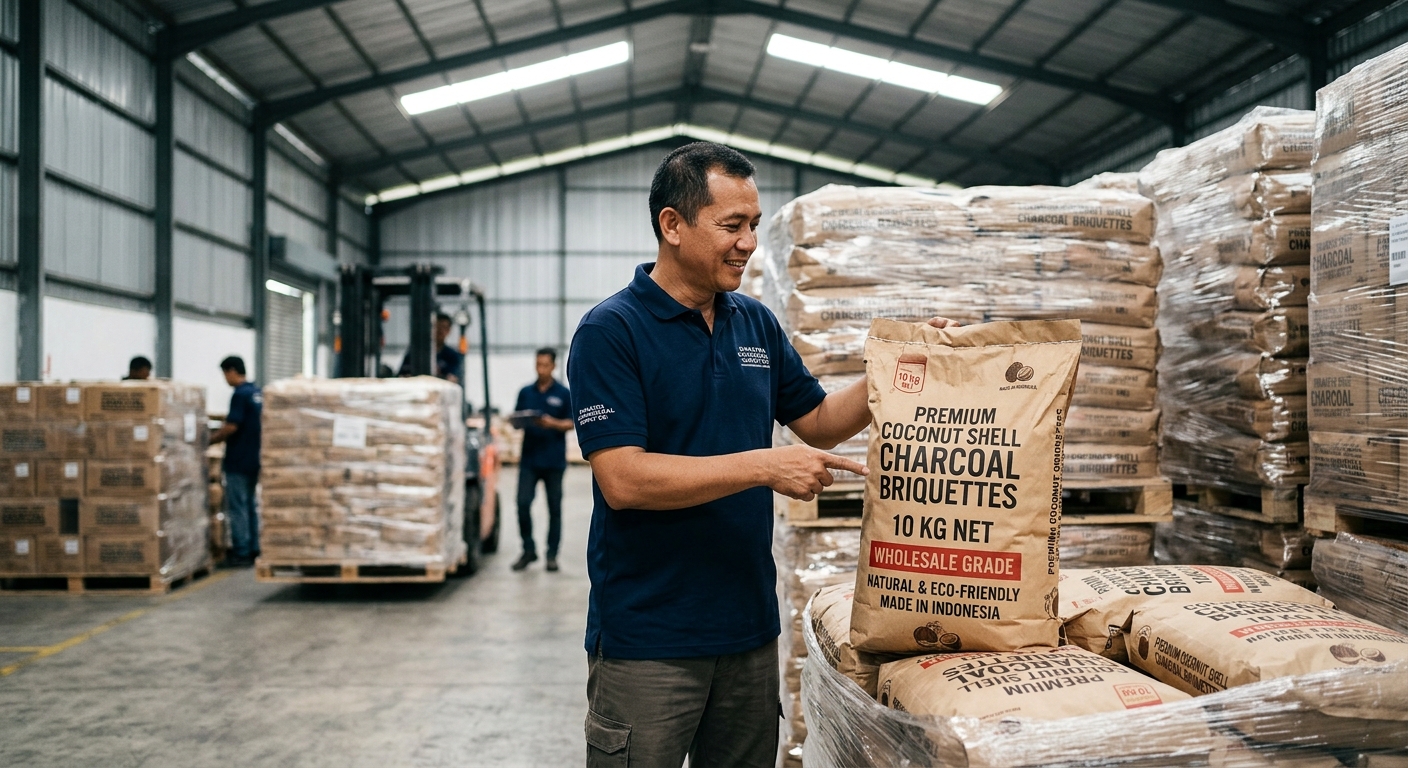
Introduction to Coconut Charcoal Briquettes
In recent years, the global market for eco-friendly and sustainable fuel alternatives has experienced significant growth. Among these alternatives, coconut charcoal briquettes have emerged as a highly sought-after product. Whether for shisha (hookah) or premium barbecue, these briquettes offer superior performance compared to traditional wood charcoal. For businesses looking to capitalize on this demand, finding a reliable coconut charcoal briquettes wholesale supplier is a critical step towards success.
The Benefits of Coconut Charcoal Briquettes
Coconut charcoal briquettes are manufactured from the shells of coconuts, making them a 100% natural and renewable resource. This unique composition provides several distinct advantages that appeal to both consumers and businesses.
High Heat and Long Burn Time
One of the primary reasons consumers prefer coconut charcoal is its exceptional burning properties. The dense nature of coconut shell charcoal allows it to burn significantly hotter and longer than standard charcoal. This efficiency means users need fewer briquettes per session, making it a cost-effective choice in the long run.
Low Ash and Smoke Production
Premium coconut charcoal briquettes produce minimal ash, typically around 2% to 3%. This low ash content makes cleanup much easier and ensures that the flavor of food or shisha remains untainted. Additionally, they are virtually smokeless and odorless, providing a clean burning experience that is essential for indoor shisha lounges and high-end culinary applications.
Eco-Friendly and Sustainable
By utilizing coconut shells that would otherwise be discarded as agricultural waste, the production of coconut charcoal briquettes helps reduce deforestation. Unlike traditional wood charcoal, no trees are cut down to produce this fuel, aligning with the growing global emphasis on environmental sustainability.
The Manufacturing Process
Understanding how coconut charcoal briquettes are made can help buyers assess the quality of the products offered by a wholesale supplier. The process involves several meticulous steps to ensure a high-quality end product.
- Carbonization: Coconut shells are collected, cleaned, and then burned in a controlled, low-oxygen environment to create raw coconut shell charcoal.
- Crushing and Sieving: The raw charcoal is crushed into a fine powder and sieved to remove any impurities or larger chunks.
- Mixing: The fine charcoal powder is mixed with a natural binder, usually tapioca starch, and water. This binder ensures the briquettes hold their shape without introducing harmful chemicals.
- Pressing and Shaping: The mixture is fed into a briquette machine, where it is pressed under high pressure into various shapes, such as cubes, cylinders, or hexagonal logs.
- Drying: The freshly pressed briquettes are dried in large ovens to reduce their moisture content to an optimal level, usually below 5%.
- Packaging: Once dried and cooled, the briquettes are carefully packaged in moisture-resistant materials for distribution.
Below is a comparison of common shapes of coconut charcoal briquettes and their typical applications to help you choose the right product for your market.
| Briquette Shape | Typical Dimensions | Primary Application | Burn Time (Approx.) |
|---|---|---|---|
| Cube | 25mm x 25mm x 25mm | Shisha / Hookah | 90 - 120 minutes |
| Hexagonal | 50mm length, 20mm hole | Premium BBQ | 120 - 180 minutes |
| Finger / Cylinder | 20mm diameter, 50mm length | Shisha / Small BBQ | 80 - 100 minutes |
How to Choose a Wholesale Supplier
Partnering with the right coconut charcoal briquettes wholesale supplier is vital for maintaining product quality and ensuring a steady supply chain. Here are key factors to consider when evaluating potential suppliers.
Quality Assurance and Specifications
Always request a detailed specification sheet from the supplier. Key metrics to look for include fixed carbon content (ideally above 75%), low moisture content (under 5%), and low ash content (under 3%). High fixed carbon ensures a hotter, longer burn, while low moisture prevents cracking during ignition.
Production Capacity and Scalability
Ensure that the supplier has the production capacity to meet your current volume requirements and can scale up as your business grows. Ask about their monthly production capacity and their lead times for large orders.
Certifications and Testing
A reputable wholesale supplier should be able to provide laboratory test reports from recognized third-party testing facilities. Certifications related to quality management (such as ISO 9001) and environmental standards demonstrate a commitment to professional manufacturing practices.
Packaging Options
Custom packaging (OEM) is crucial for building your brand. Check if the supplier offers customizable inner boxes, master cartons, and plastic wrapping. Good packaging not only protects the briquettes from moisture during transit but also enhances retail appeal.
Logistics and Import Considerations
Sourcing from overseas, particularly from major producing countries like Indonesia, requires a solid understanding of logistics. Coconut charcoal is often classified as a dangerous good (spontaneously combustible) under international shipping regulations (IMDG Code). Therefore, it requires specific documentation, such as a Material Safety Data Sheet (MSDS) and a Self-Heating Test certificate, to be loaded onto shipping vessels. Ensure your supplier is experienced in handling these export requirements to prevent delays at customs.
Conclusion
Entering the market for sustainable fuel with coconut charcoal briquettes presents a lucrative opportunity. Their superior burning qualities and eco-friendly nature make them highly desirable. By understanding the product specifications, the manufacturing process, and the criteria for selecting a competent wholesale supplier, businesses can secure high-quality products that satisfy their customers' needs while building a robust and profitable brand.
Frequently Asked Questions
What makes coconut charcoal better than traditional wood charcoal?
Coconut charcoal burns hotter, lasts longer, and produces significantly less ash and smoke compared to traditional wood charcoal. Furthermore, it is an eco-friendly option as it is made from agricultural waste (coconut shells) rather than cut trees.
Why is ash content important when evaluating briquettes?
Low ash content is crucial because excessive ash can smother the heat and affect the taste of shisha or food. Premium coconut charcoal typically features an ash content of less than 3%, indicating a high-purity product.
Can I request custom shapes and packaging from a wholesale supplier?
Yes, most reputable wholesale suppliers offer OEM services. They can adjust the molds to create specific briquette shapes (like cubes or flats) and print your brand's design on the inner and outer packaging.
How is coconut charcoal shipped internationally?
Due to its nature, coconut charcoal is often shipped under strict regulations. Suppliers must provide an MSDS and self-heating test reports to shipping lines. It is typically shipped in standard 20-foot or 40-foot containers.
Comments
Post a Comment