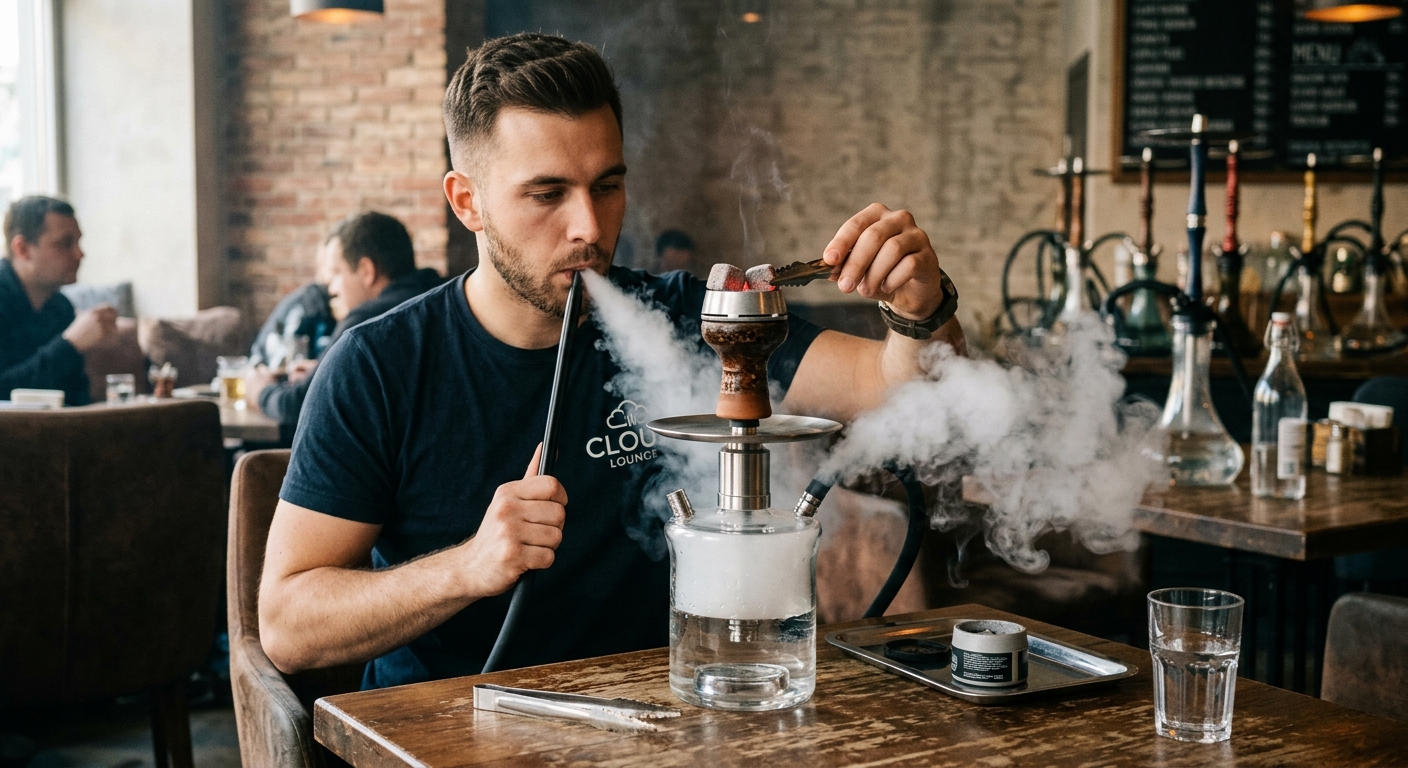
Introduction to Thick Smoke Hookah Setup
Achieving thick, voluminous smoke is often the hallmark of a great hookah session. Whether you are a beginner or a seasoned enthusiast, mastering the art of the perfect thick smoke hookah setup can elevate your experience significantly. In this comprehensive guide, we will explore the professional techniques, equipment choices, and best practices required to produce dense clouds of smoke while maintaining optimal flavor.
Choosing the Right Equipment
The foundation of any successful hookah session begins with selecting the right equipment. To achieve thick smoke, every component of your hookah plays a crucial role.
The Hookah Bowl
The type of bowl you use greatly impacts heat distribution and juice retention. Phunnel bowls are generally preferred for producing thick smoke, as they prevent molasses from dripping into the stem, keeping the shisha moist and flavorful for longer periods.
The Hookah Stem and Base
A stem with a wide gauge allows for an easier draw, which is essential for pulling large amounts of smoke. The base should be filled with the correct amount of water—typically about an inch above the bottom of the downstem. Too much water will restrict the draw, while too little will result in harsh, uncooled smoke.
The Hose
Using a washable silicone hose with a wide diameter ensures maximum airflow. Traditional leather hoses can harbor ghost flavors and often have a narrower draw, which can hinder smoke production.
Mastering the Pack
How you pack your shisha tobacco is arguably the most critical factor in your thick smoke hookah setup. Different brands require different packing methods, but the general rules apply to most modern tobaccos.
Fluff Pack vs. Dense Pack
For blond leaf tobacco, a fluff pack is ideal. Sprinkle the tobacco into the bowl gently, allowing air to pass through easily. This promotes even heating and larger clouds. For dark leaf tobacco, a semi-dense or dense pack is required to manage the higher nicotine content and heat sensitivity.
Below is a comparison of common shisha tobacco types and their ideal packing methods for optimal smoke production.
| Tobacco Type | Packing Density | Heat Tolerance | Smoke Output |
|---|---|---|---|
| Blond Leaf (Modern) | Fluff Pack | Medium | Very High |
| Dark Leaf (Traditional) | Dense Pack | High | High |
| Russian Dark Leaf | Semi-Dense Pack | Very High | High |
Leaving a Gap
Always ensure there is a small gap (about 1-2 millimeters) between the top of the shisha and the foil or heat management device (HMD). If the tobacco touches the heat source directly, it will burn prematurely, resulting in harsh smoke and ruined flavor.
Effective Heat Management
Proper heat management is the secret engine behind thick smoke. You must apply enough heat to bake the tobacco and produce smoke, but not so much that you scorch the bowl.
Natural Coals vs. Quick Lights
Always use natural coconut coals. They burn hotter, last longer, and do not impart chemical flavors to your session like quick-light coals do. Natural coals provide the consistent, clean heat necessary for thick smoke.
Using a Heat Management Device (HMD)
An HMD replaces traditional aluminum foil and offers superior control over the temperature of your bowl. Devices like the Kaloud Lotus or Provost allow you to adjust airflow to the coals, trapping heat when needed to boost smoke production, or releasing it to prevent burning.
Coal Placement and Rotation
If you are using foil, start with three natural coals placed at the very edge of the bowl. As the session progresses and the smoke begins to thin, slowly move the coals toward the center. Regularly ash your coals and rotate them to ensure even heating across the entire bowl.
The Role of Moisture and Glycerin
The visible "smoke" produced by a hookah is primarily vaporized glycerin and molasses. Tobaccos with a higher glycerin content will naturally produce thicker clouds. If you find your smoke is lacking despite proper packing and heat management, you may be using a drier brand of tobacco. Ensure you mix your shisha thoroughly in its container before packing to distribute the juices evenly.
Conclusion
Perfecting a thick smoke hookah setup requires a combination of the right equipment, precise packing techniques, and attentive heat management. By utilizing a phunnel bowl, opting for natural coconut coals, and mastering the fluff pack for modern tobaccos, you can consistently produce the dense, flavorful clouds that make hookah smoking so enjoyable. Remember that patience and practice are key; tweak your setup slightly each session until you find the perfect balance for your preferred tobacco.
Frequently Asked Questions
Why is my hookah smoke so thin?
Thin smoke is usually caused by insufficient heat or a restricted draw. Ensure you are using enough fully lit natural coals and that your bowl is packed properly with enough airflow. Also, check that your water level isn't too high, which can restrict the draw.
Does adding milk to the hookah base make the smoke thicker?
No, adding milk to the base is a myth and is highly discouraged. Milk can bubble up into the hose, spoil quickly, and cause bacterial growth in your hookah. The thickness of the smoke comes entirely from the glycerin in the shisha being vaporized by heat.
How long should I wait before taking the first pull?
After placing your coals on the bowl, you should wait approximately 3 to 5 minutes before taking your first draw. This allows the heat to penetrate the bowl and bake the shisha evenly, resulting in thick smoke right from the start.
Can I get thick smoke with a small hookah?
Yes, the size of the hookah stem does not dictate smoke thickness. As long as the bowl is packed correctly, the heat is managed well, and the hookah is completely airtight, a small hookah can produce clouds just as dense as a tall one.
Comments
Post a Comment