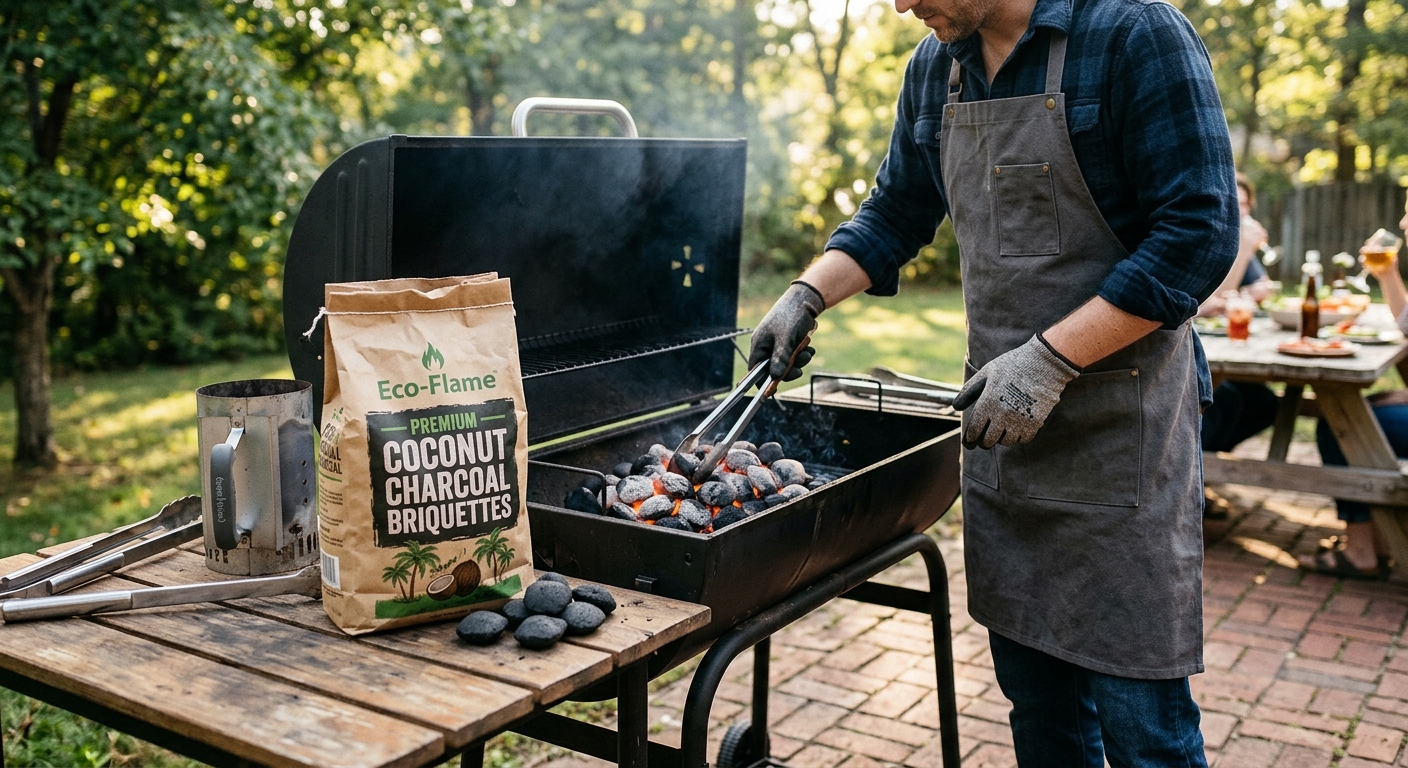
Introduction to Coconut Charcoal Briquettes
Grilling is a beloved culinary tradition, but the fuel you choose can significantly impact both your food's flavor and the environment. Enter smokeless BBQ coconut charcoal briquettes, a revolutionary alternative to traditional lump charcoal and wood briquettes. Made from compressed coconut shells, these briquettes offer a sustainable, high-performance grilling experience that has captivated professional chefs and backyard BBQ enthusiasts alike.
Unlike traditional charcoal, which often relies on deforestation and chemical additives, coconut charcoal is an eco-friendly byproduct of the coconut industry. By utilizing discarded shells, manufacturers create a dense, energy-rich fuel that burns cleaner, hotter, and longer. In this comprehensive guide, we will explore the myriad benefits of smokeless coconut charcoal briquettes, how they compare to traditional options, and why they should be your go-to choice for your next barbecue.
The Environmental Benefits of Coconut Charcoal
One of the most compelling reasons to switch to smokeless coconut charcoal briquettes is their positive environmental impact. Traditional wood charcoal production often contributes to deforestation, habitat destruction, and significant carbon emissions. In contrast, coconut charcoal is produced from the shells of harvested coconuts—a renewable resource that would otherwise be discarded as agricultural waste.
By repurposing these shells, the production of coconut briquettes helps reduce waste and promotes a circular economy. Furthermore, the manufacturing process typically involves carbonization in controlled environments, which limits the release of harmful greenhouse gases compared to primitive wood charcoal kilns. Choosing coconut charcoal means you can enjoy your barbecue while minimizing your carbon footprint.
Unmatched Performance and Efficiency
When it comes to grilling, performance is paramount. Smokeless BBQ coconut charcoal briquettes excel in several key areas that make them superior to traditional alternatives.
Consistent and High Heat
Due to their incredible density, coconut briquettes burn much hotter than standard wood charcoal. This high heat is perfect for searing meats, locking in juices, and achieving that coveted crust on steaks and burgers. Additionally, the uniform shape and size of the briquettes ensure a consistent heat distribution across the grill, eliminating the frustration of hot and cold spots.
Longer Burn Time
Efficiency is another hallmark of coconut charcoal. A single batch of these briquettes can burn up to three times longer than traditional lump charcoal. This extended burn time is ideal for slow-cooking, smoking, or hosting long outdoor gatherings, as you will not need to constantly replenish the fuel.
Smokeless and Odorless Experience
As the name suggests, smokeless BBQ coconut charcoal briquettes produce virtually no smoke or unpleasant odors during combustion. This is achieved because the briquettes contain no chemical binders, fillers, or uncarbonized wood that typically cause excess smoke. The result is a cleaner grilling environment, making it perfect for small patios, balconies, or urban settings where smoke might be a nuisance.
Flavor Purity and Culinary Excellence
Traditional charcoal and chemical-laden briquettes can impart an artificial, acrid flavor to your food. Because coconut charcoal is 100% natural and free of chemical accelerants (such as nitrates or petroleum-based lighter fluids), it burns exceptionally clean. This clean burn ensures that the natural flavors of your marinades, rubs, and the meat itself take center stage, rather than being masked by the taste of the fuel.
Moreover, the minimal ash production of coconut briquettes means less cleanup and less risk of ash blowing onto your food, ensuring a pristine and delicious culinary outcome every time.
Comparing Grilling Fuels
To better understand why coconut charcoal is gaining popularity, let us compare it directly to traditional wood lump charcoal and standard wood briquettes across several key performance metrics.
| Fuel Type | Burn Time | Maximum Heat | Smoke Output | Ash Production |
|---|---|---|---|---|
| Coconut Charcoal Briquettes | 3 to 4 Hours | Very High (up to 800°F) | Minimal / Smokeless | Low (under 5%) |
| Standard Wood Briquettes | 1.5 to 2 Hours | Medium (up to 500°F) | High | High (up to 20%) |
| Wood Lump Charcoal | 1 to 1.5 Hours | High (up to 700°F) | Medium | Medium (around 10%) |
How to Use Coconut Charcoal Briquettes
While utilizing coconut charcoal is straightforward, a few best practices will help you maximize your grilling experience.
- Lighting the Briquettes: Because they are dense and lack chemical accelerants, coconut briquettes take slightly longer to light. Use a charcoal chimney starter with natural fire starters (like wood wool or paper) to get them going efficiently.
- Patience is Key: Wait until the briquettes are fully covered in a thin layer of white ash before transferring them to your grill or adding food. This ensures they have reached their optimal temperature.
- Airflow Management: The high heat output requires careful management of your grill's vents. Adjust the top and bottom vents to control the airflow and maintain your desired cooking temperature.
- Storage: Store your unused briquettes in a cool, dry place. Because they are highly absorbent, exposure to moisture can make them difficult to light and reduce their efficiency.
Conclusion
Smokeless BBQ coconut charcoal briquettes represent a significant advancement in grilling technology. By combining environmental sustainability with unmatched heat output, extended burn times, and a smokeless, clean-burning profile, they offer an unparalleled barbecue experience. Whether you are a professional pitmaster or a weekend griller, making the switch to coconut charcoal will not only elevate the flavor of your food but also contribute to a greener, more sustainable planet. Embrace the future of grilling and taste the difference for yourself.
Frequently Asked Questions (FAQ)
Are coconut charcoal briquettes completely smokeless?
While no organic fuel is 100% smokeless, coconut charcoal produces significantly less smoke than traditional wood charcoal. The minimal smoke it does produce is typically only during the initial lighting phase; once lit and covered in ash, it burns virtually clear.
Can I use coconut charcoal in a ceramic Kamado grill?
Yes, absolutely. In fact, coconut charcoal is highly recommended for Kamado-style grills (like the Big Green Egg or Kamado Joe) because of its long burn time and low ash production, which prevents the airflow vents from clogging during long, slow cooks.
How long do coconut briquettes take to light?
Due to their high density and lack of chemical accelerants, coconut briquettes usually take about 20 to 30 minutes to fully ignite in a charcoal chimney starter. While it takes slightly longer than quick-light charcoal, the extended burn time and higher heat make the wait worthwhile.
Is coconut charcoal more expensive than regular charcoal?
The initial purchase price of coconut charcoal is often higher than standard wood briquettes. However, because it burns hotter and lasts up to three times longer, you use significantly less fuel per cooking session, making it more cost-effective in the long run.
Comments
Post a Comment