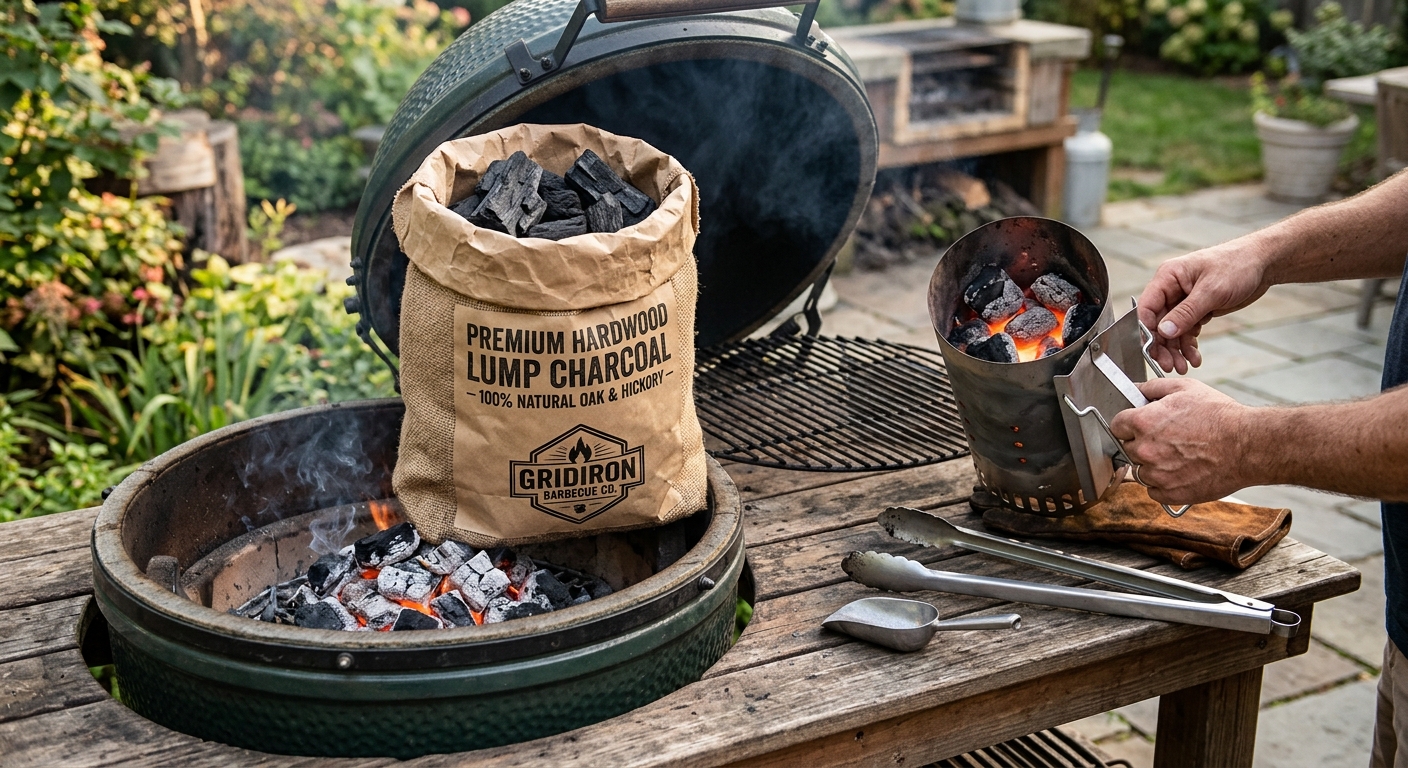
Introduction to Choosing the Best Charcoal for Outdoor BBQ
Grilling is more than just a method of cooking; for many, it is a passionate pursuit of the perfect flavor, texture, and aroma. Whether you are hosting a summer cookout, enjoying a quiet weekend dinner, or competing in a local BBQ contest, the fuel you use plays a critical role in your success. Selecting the best charcoal for your outdoor BBQ can mean the difference between a mediocre meal and a culinary masterpiece. This comprehensive guide will explore the various types of charcoal available, their unique characteristics, and how to choose the right one for your specific grilling needs.
Understanding Charcoal Types: Lump vs. Briquettes
When you walk into a hardware store or a supermarket, you are typically faced with two main categories of charcoal: lump charcoal and charcoal briquettes. Understanding the differences between these two is the first step in mastering outdoor BBQ.
Lump Charcoal
Lump charcoal is made by burning wood in the absence of oxygen. The result is pure carbon, which leaves behind very little ash when burned. Purists often prefer lump charcoal because it is 100% natural, containing no additives or fillers. It lights quickly, burns hotter than briquettes, and allows for excellent temperature control. Because it is made from real wood, it imparts a clean, natural smoky flavor to your food. However, lump charcoal burns faster than briquettes and can be more expensive. The pieces also vary greatly in size, which can sometimes make packing the grill a bit unpredictable.
Charcoal Briquettes
Charcoal briquettes are manufactured by crushing charcoal into a powder, mixing it with binders (like starch), and sometimes adding accelerants (like lighter fluid) to help them catch fire. The mixture is then pressed into uniform, pillow-shaped blocks. The main advantage of briquettes is their consistency. They burn at a steady, reliable temperature for a longer period, making them ideal for slow-cooking and smoking. They are also generally more affordable than lump charcoal. However, some grillers dislike the chemical smell that can accompany certain brands, especially those with added lighter fluid, and they tend to produce significantly more ash than lump charcoal.
Comparing Popular Charcoal Options
To help you decide which charcoal might be best for your next BBQ, here is a comparison of some of the most common types based on their burn time, maximum heat, and ash production.
| Charcoal Type | Burn Time | Maximum Heat | Ash Production |
|---|---|---|---|
| Hardwood Lump Charcoal | Short (45-60 mins) | Very High (up to 1200°F) | Low |
| Standard Briquettes | Long (2-3 hours) | Medium (up to 800°F) | High |
| Binchotan (Japanese Charcoal) | Very Long (up to 5 hours) | Extremely High (up to 1800°F) | Very Low |
| Coconut Shell Charcoal | Long (2-3 hours) | High (up to 1000°F) | Low |
Choosing the Right Charcoal for Your Cooking Style
The best charcoal for your outdoor BBQ largely depends on what you are cooking and how you plan to cook it.
For Quick, High-Heat Grilling
If you are grilling steaks, burgers, or hot dogs, you want a fuel that can reach high temperatures quickly to sear the meat and lock in juices. Hardwood lump charcoal is the undisputed champion here. Its ability to get exceptionally hot in a short amount of time makes it perfect for direct grilling.
For Low and Slow Smoking
When cooking large cuts of meat like brisket, pork shoulder, or ribs, consistency is key. You need a fuel that will maintain a steady, low temperature over several hours. Charcoal briquettes are highly recommended for this cooking style due to their uniform size and predictable burn rate. For those who prefer a natural option without binders, high-quality lump charcoal can be used, but it requires more frequent monitoring and refueling.
For Exotic and Specialty Grilling
If you are exploring traditional Japanese grilling (like Yakitori), Binchotan charcoal is the gold standard. It burns incredibly hot and clean, emitting virtually no smoke or odor, allowing the true flavors of the food to shine. Alternatively, coconut shell charcoal is gaining popularity as an eco-friendly option that burns hot and long with minimal ash.
Tips for Storing and Lighting Charcoal
Even the best charcoal can perform poorly if not handled correctly. Proper storage and lighting techniques are essential for a successful BBQ.
- Keep it Dry: Charcoal is highly porous and will absorb moisture from the air. Always store your charcoal in a dry, cool place. Consider transferring it to a waterproof, airtight container to maintain its optimal burning qualities.
- Use a Chimney Starter: Avoid using liquid lighter fluid, as it can impart a chemical taste to your food. A charcoal chimney starter is the most efficient and natural way to light your coals. Simply place newspaper or a natural fire starter under the chimney, fill it with charcoal, and light it. In 15-20 minutes, you will have perfectly glowing coals.
- Wait for the Right Moment: Do not start cooking too soon. Wait until the charcoal is covered in a light layer of gray ash. This indicates that the coals have reached a consistent temperature and any initial smoke or impurities have burned off.
Conclusion
Choosing the best charcoal for your outdoor BBQ is a critical component of mastering the grill. Whether you opt for the high-heat, natural burn of hardwood lump charcoal, the steady, long-lasting reliability of standard briquettes, or an exotic option like Binchotan, understanding the properties of your fuel will elevate your cooking. By matching your charcoal to your cooking style and following proper storage and lighting techniques, you can ensure that every outdoor BBQ is a delicious success.
Frequently Asked Questions (FAQ)
Can I mix lump charcoal and briquettes?
Yes, mixing lump charcoal and briquettes is a common technique. You can use briquettes as a steady base for long-lasting heat and add lump charcoal on top to achieve higher temperatures and impart a natural wood smoke flavor to your food.
Is match-light charcoal safe to use?
Match-light charcoal is safe when used according to the manufacturer's instructions. However, many BBQ enthusiasts avoid it because the chemical additives used to make it light quickly can leave an unpleasant taste on the food, especially if the coals are not fully ashed over before cooking begins.
How long does charcoal last in storage?
If stored correctly in a cool, dry, and airtight container, charcoal can last indefinitely. However, if it is exposed to humidity or moisture, it will become difficult to light and will not burn efficiently. Always ensure your storage method protects the charcoal from the elements.
Comments
Post a Comment