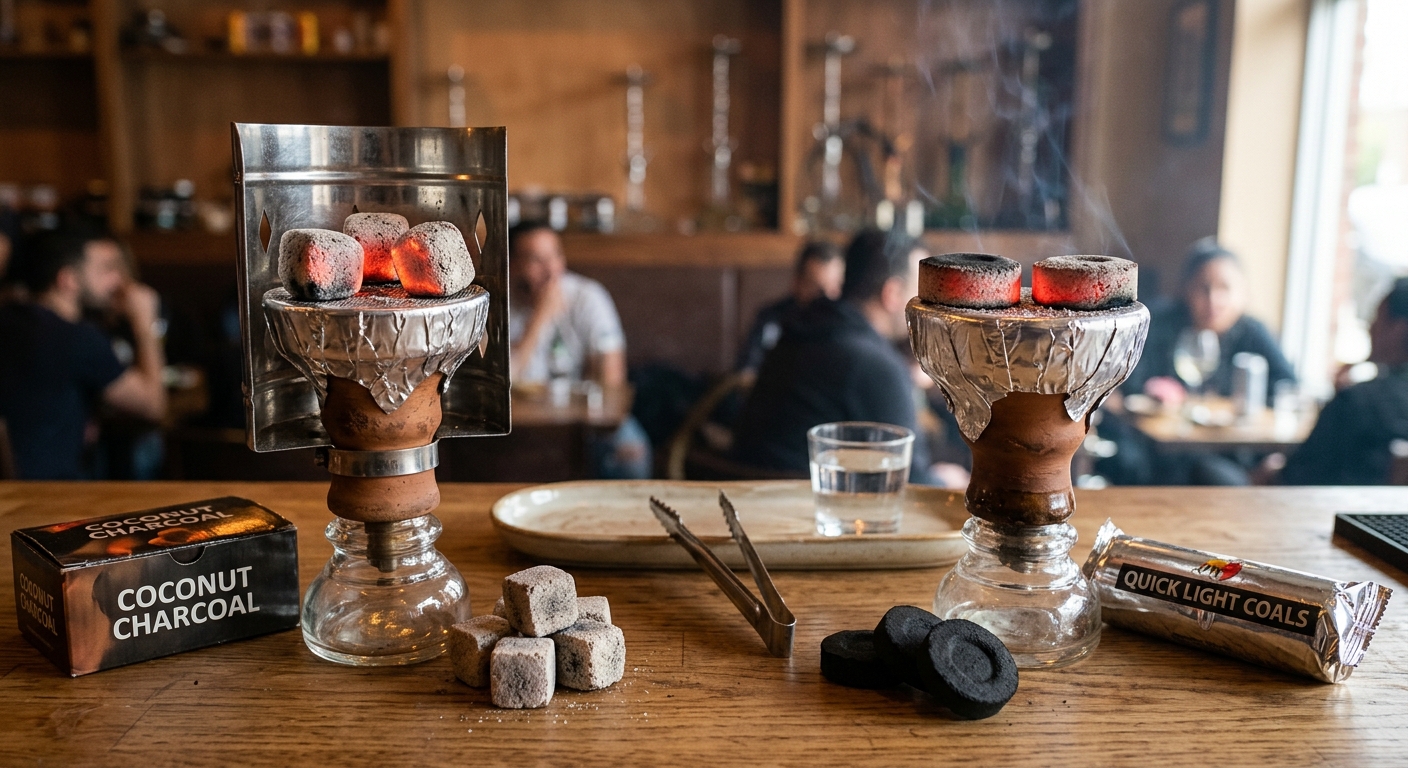
Introduction to Hookah Charcoal
Choosing the right charcoal for your hookah session can make all the difference in the world. Whether you are a seasoned enthusiast or a casual smoker, you will eventually find yourself faced with the classic dilemma: quick light vs coconut charcoal. The type of coal you select affects not only how quickly you can start your session but also the flavor, longevity, and overall quality of the smoke. In this comprehensive guide, we will explore the characteristics, pros, and cons of both options to help you make an informed decision.
Understanding Quick Light Charcoal
Quick light coals are exactly what they sound like—charcoal that is designed to ignite rapidly. They are typically shaped into discs or rings and are coated with a chemical accelerant, such as sulfur or saltpeter. This coating allows the coal to catch fire almost instantly when exposed to an open flame, such as a regular cigarette lighter.
Pros of Quick Light Coals
- Convenience: Because they only require a simple lighter, they are highly portable and perfect for outdoor sessions or traveling.
- Speed: They light up within seconds and are ready to be placed on your bowl in just a minute or two.
- Accessibility: Quick lights are widely available at most smoke shops, convenience stores, and online retailers.
Cons of Quick Light Coals
- Chemical Taste: The accelerant used to make them light quickly often leaves a distinct, unpleasant chemical aftertaste that can ruin the flavor of premium shisha.
- Short Lifespan: They burn out much faster than natural coals, typically lasting only 30 to 45 minutes per coal.
- Ash Production: Quick lights tend to produce a large amount of fine ash, which can easily blow into your bowl and affect the smoke.
- Heat Control: They burn very hot initially but cool down rapidly, making heat management difficult.
Understanding Coconut Charcoal
Coconut charcoal, often referred to as natural charcoal, is made from compressed coconut shells. Unlike quick lights, they contain no chemical accelerants. They come in various shapes, including cubes, flats, and hexagons, and require a consistent, high-heat source to ignite, such as an electric coil burner or a gas stove.
Pros of Coconut Coals
- Pure Flavor: Because they lack chemical coatings, coconut coals are odorless and tasteless, allowing the true flavor of your shisha to shine through.
- Longevity: They burn significantly longer than quick lights, often lasting anywhere from 60 to 90 minutes or more per session.
- Consistent Heat: Coconut coals provide an even, steady heat distribution, making heat management much easier and preventing your shisha from burning prematurely.
- Eco-Friendly: They are a sustainable byproduct of the coconut industry, making them a more environmentally responsible choice.
- Low Ash: High-quality coconut coals produce very little ash, keeping your session clean and enjoyable.
Cons of Coconut Coals
- Lighting Time: They take much longer to light, typically requiring 7 to 10 minutes on a dedicated burner.
- Equipment Needed: You cannot light them with a standard lighter; you must have access to an electric coil burner or a stove.
- Less Portable: Due to the equipment required, they are less convenient for outdoor or on-the-go sessions.
Direct Comparison: Quick Light vs Coconut Charcoal
To help you decide which charcoal is right for your needs, here is a direct comparison of the key attributes of quick light and coconut charcoal.
| Charcoal Type | Lighting Time | Burn Duration | Ignition Method | Flavor Interference |
|---|---|---|---|---|
| Quick Light Coals | 1 to 2 minutes | 30 to 45 minutes | Standard Lighter | High (Chemical taste) |
| Coconut Coals | 7 to 10 minutes | 60 to 90 minutes | Electric Coil Burner | None |
Which One Should You Choose?
The choice between quick light and coconut charcoal ultimately depends on your priorities and the setting of your hookah session. If you are traveling, at the beach, or somewhere without access to an electrical outlet, quick lights are the pragmatic choice. Their convenience is unmatched when you are on the go.
However, if you are smoking at home or in a lounge environment where you have access to a burner, coconut charcoal is universally regarded as the superior option. The improvement in flavor, the steady heat management, and the longer burn time make the extra effort of lighting them well worth it. For true hookah aficionados, natural coconut coals are the only way to fully appreciate the complex flavor profiles of premium shisha tobacco.
Conclusion
Understanding the differences in the "quick light vs coconut charcoal" debate is essential for any hookah smoker looking to optimize their experience. While quick lights offer undeniable convenience and speed, they fall short in flavor preservation and longevity. Coconut charcoal, on the other hand, demands a bit more time and specific equipment but rewards you with a cleaner, longer, and vastly superior tasting session. By weighing these pros and cons, you can choose the best charcoal for your specific situation and elevate your next smoking session.
Frequently Asked Questions
Can I light coconut charcoal with a regular lighter?
No, you cannot light coconut charcoal with a regular lighter. Because they lack chemical accelerants, they require a sustained, high-heat source like an electric coil burner or a gas stove to ignite properly.
Are coconut coals healthier than quick light coals?
While smoking in any form carries health risks, coconut coals are generally considered a cleaner option because they do not contain the combustible chemical coatings found in quick light coals, which can release harsh fumes when burned.
How do I know when coconut charcoal is fully lit?
Coconut charcoal is fully lit when all sides of the coal have turned glowing red and are covered in a thin layer of gray ash. It is important not to place them on your hookah before they are fully lit to avoid inhaling carbon monoxide and ruining the flavor.
Why do my quick light coals taste bad?
The bad taste from quick light coals comes from the chemical accelerants (like sulfur or gunpowder derivatives) used to make them ignite instantly. These chemicals burn off and mix with the smoke, altering the flavor of your shisha.
Comments
Post a Comment