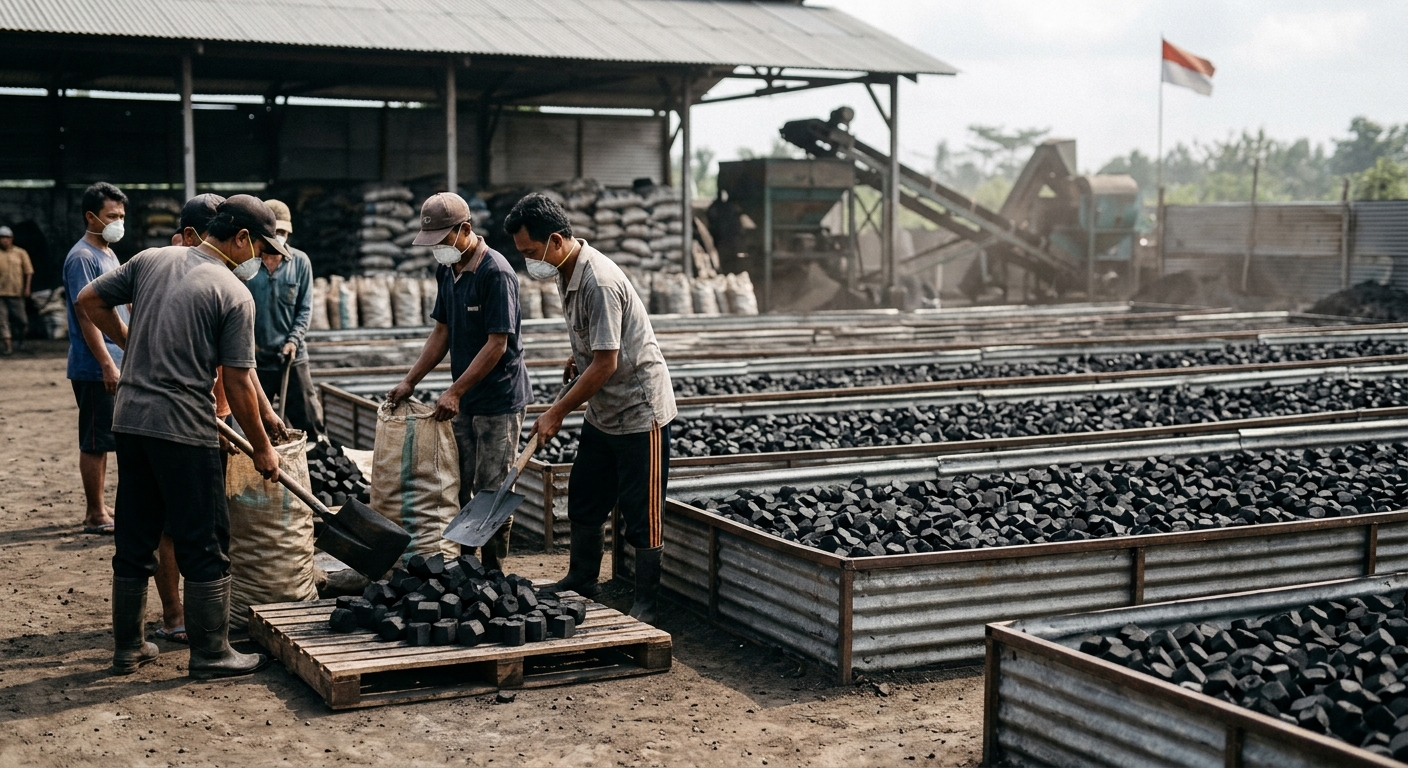
When it comes to achieving the perfect grilling experience or enjoying a smooth, unadulterated shisha session, the quality of your fuel matters immensely. In recent years, premium Indonesian coconut charcoal briquettes have emerged as the gold standard in the global market. Renowned for their exceptional heat output, minimal ash production, and unparalleled sustainability, these briquettes have revolutionized both the culinary and recreational smoking industries. This comprehensive guide explores everything you need to know about premium Indonesian coconut charcoal briquettes, from their meticulous manufacturing process to their numerous environmental and practical advantages.
The Rise of Premium Indonesian Coconut Charcoal Briquettes
Indonesia is the world's largest producer of coconuts, blessed with a tropical climate that yields abundant and high-quality coconut crops year-round. Historically, coconut shells were considered an agricultural byproduct and were often discarded or burned inefficiently. However, technological advancements and a growing global demand for eco-friendly alternatives to wood charcoal have transformed these discarded shells into a highly valuable commodity. Today, Indonesian manufacturers utilize advanced carbonization techniques to process these shells into premium charcoal briquettes, exporting them to discerning consumers across the Middle East, Europe, and the Americas.
What sets Indonesian coconut charcoal apart is not just the abundance of raw materials, but the specific characteristics of the regional coconuts. The shells of Indonesian coconuts are particularly dense and thick. When carbonized, they produce a charcoal with an incredibly high fixed carbon content, which directly translates to a hotter, longer-lasting, and cleaner burn compared to coconuts sourced from other regions. This natural advantage has positioned Indonesia at the very top of the global charcoal supply chain.
The Meticulous Manufacturing Process
The journey from a raw coconut shell to a premium briquette is a labor-intensive process that requires precision and strict quality control. The process ensures that the final product delivers consistent performance, whether it is used in a high-end restaurant or a local hookah lounge. The standard manufacturing process involves several critical steps:
- Sourcing and Cleaning: Only fully matured coconut shells are selected. They are meticulously cleaned to remove any residual coconut meat or fibers, which could otherwise introduce impurities and unwanted smoke during burning.
- Carbonization: The cleaned shells undergo a controlled burning process in oxygen-restricted kilns. This process, known as pyrolysis, removes moisture and volatile compounds, leaving behind high-purity carbon.
- Crushing and Pulverizing: The carbonized shells are crushed and ground into a fine powder. The finer the powder, the denser and smoother the final briquette will be.
- Mixing with Binder: The charcoal powder is mixed with a natural binder, typically food-grade tapioca starch. This ensures the briquette holds its shape without introducing any synthetic chemicals or foul odors.
- Pressing and Molding: The mixture is pressed under high pressure into various shapes, such as cubes, flats, or hexagons, depending on the intended use. Cube shapes are particularly popular for shisha, while larger hexagonal briquettes are favored for barbecue.
- Drying: Finally, the briquettes are baked in large industrial ovens to remove all remaining moisture. This crucial step ensures the charcoal will ignite properly and burn evenly without sparking.
Why Choose Indonesian Coconut Charcoal?
Consumers and businesses alike are making the switch to premium Indonesian coconut charcoal briquettes for a multitude of reasons. The benefits extend far beyond simply providing a heat source; they enhance the entire user experience while supporting environmentally responsible practices.
- Extended Burn Time: Thanks to their high density and high fixed carbon content, these briquettes burn significantly longer than traditional lump wood or quick-light charcoal. A single premium cube can burn consistently for two to three hours.
- High Heat Output: Coconut charcoal burns significantly hotter than many other types of fuel, making it ideal for searing meats perfectly on a barbecue or maintaining the optimal temperature for shisha.
- Low Ash Production: Premium Indonesian briquettes typically leave behind less than 3% ash. This means less mess to clean up after a grilling session and prevents ash from flying into your shisha bowl and ruining the flavor.
- Odorless and Smokeless: Because they contain no chemical accelerants or natural wood resins, coconut briquettes produce zero smoke and zero odor once fully lit. This preserves the natural flavors of your food and the delicate aroma of shisha tobacco.
- Eco-Friendly and Sustainable: No trees are cut down to produce coconut charcoal. It is made entirely from upcycled agricultural waste, making it a 100% renewable and sustainable energy source.
To understand why premium Indonesian coconut charcoal briquettes stand out, let us compare them against other common types of charcoal available in the market. The table below highlights the concrete differences in performance metrics.
| Charcoal Type | Average Burn Time | Ash Content | Smoke and Odor |
|---|---|---|---|
| Indonesian Coconut Briquettes | 2 to 3 hours | Under 3% | None |
| Lump Wood Charcoal | 1 to 1.5 hours | 5% to 8% | Moderate to High |
| Quick-Light Charcoal | 30 to 45 minutes | 10% to 15% | High (Chemical) |
Primary Applications and Uses
The versatility of premium Indonesian coconut charcoal briquettes makes them highly sought after in two distinct industries: the culinary sector and the hookah/shisha market.
In the culinary world, professional chefs and backyard barbecue enthusiasts revere coconut charcoal for its high, consistent heat and clean burn. When grilling premium cuts of meat, seafood, or vegetables, the last thing a chef wants is acrid smoke overpowering the natural flavors of the food. Coconut charcoal provides a neutral heat source that sears perfectly without imparting any unwanted tastes. Additionally, the long burn time means that cooks do not have to constantly replenish the grill with new coals during long, slow smoking sessions.
In the shisha industry, the requirements for charcoal are even more stringent. Shisha smokers require a coal that will not alter the flavor of the molasses, will not produce harmful chemical fumes, and will not produce excessive ash that can clog the bowl. Premium Indonesian coconut charcoal cubes check every single one of these boxes. They have become the undisputed standard for hookah lounges worldwide, providing a clean, long-lasting heat that maximizes the enjoyment of the shisha session.
Conclusion
Premium Indonesian coconut charcoal briquettes represent the pinnacle of charcoal technology. By harnessing the natural density of Indonesian coconut shells and applying rigorous, chemical-free manufacturing processes, producers have created a product that outperforms traditional wood and quick-light charcoals in every metric. Whether you are a professional chef looking for the perfect sear, a hookah lounge owner striving for ultimate customer satisfaction, or simply an environmentally conscious consumer, Indonesian coconut charcoal offers an unmatched combination of performance, purity, and sustainability. As global demand for clean and renewable energy sources continues to rise, the dominance of Indonesian coconut charcoal is undoubtedly set to endure.
Frequently Asked Questions
Are coconut charcoal briquettes safe to use indoors?
While coconut charcoal is smokeless and odorless, burning any type of charcoal produces carbon monoxide. Therefore, if you are using them indoors for shisha, it is absolutely critical to ensure the room is well-ventilated to prevent carbon monoxide buildup.
How long does it take to light premium coconut charcoal?
Because they do not contain chemical accelerants like quick-light coals, premium coconut briquettes take longer to ignite. It typically takes about 10 to 15 minutes on a dedicated electric coil burner or gas stove for the coals to become fully red and ready for use.
How should I store my coconut charcoal briquettes?
To maintain their quality and ignition properties, coconut charcoal should be stored in a cool, dry place. Exposure to moisture or high humidity can make the briquettes difficult to light and can cause them to spark or crack during the heating process. Keep them sealed in their original packaging or an airtight container.
Can I use coconut charcoal for smoking meats?
Yes, coconut charcoal is excellent for smoking meats because of its stable, long-lasting heat. However, because it is entirely neutral in flavor, you will need to add your own smoking wood chunks (like hickory, apple, or mesquite) to the coals to impart that classic smoky barbecue flavor to your food.
Comments
Post a Comment