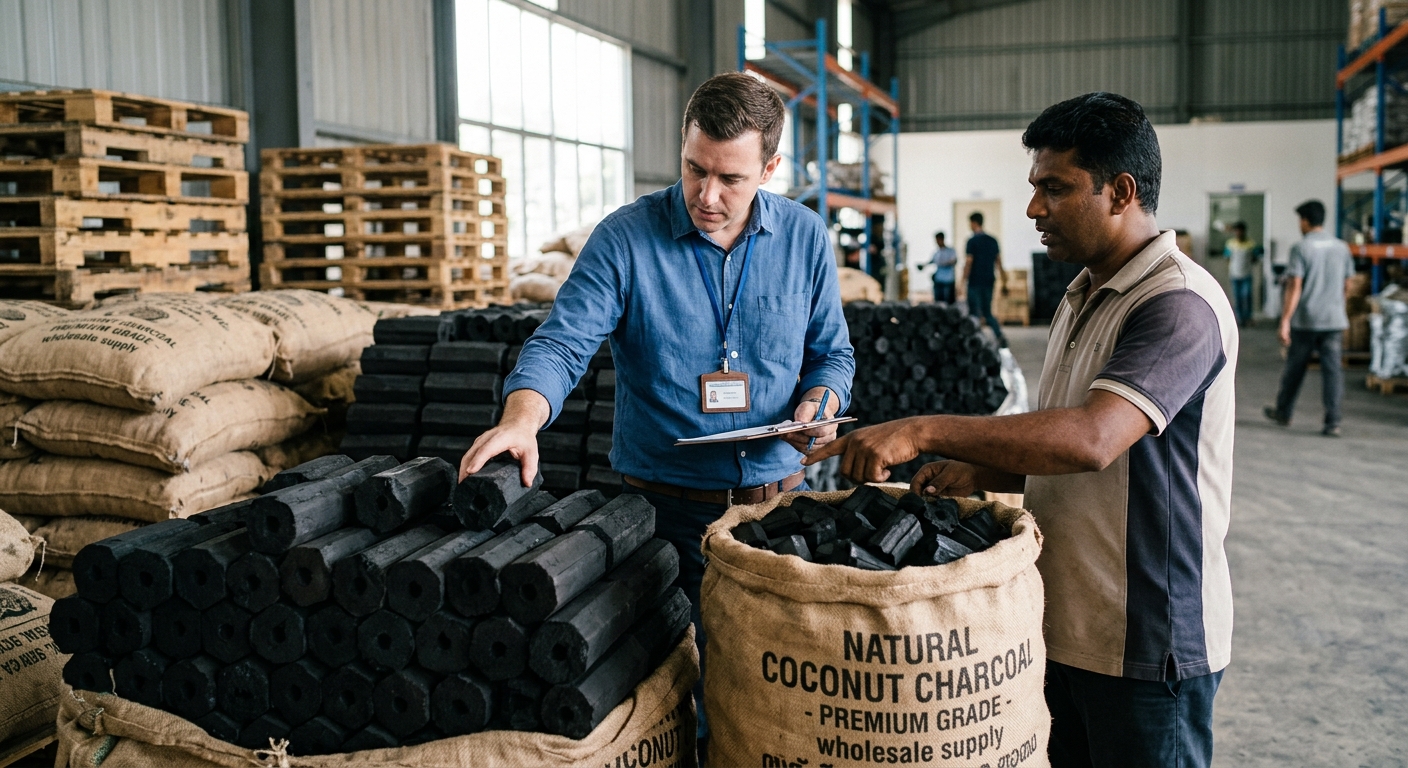
Introduction to Natural Coconut Charcoal
As the demand for eco-friendly and sustainable products continues to rise globally, natural coconut charcoal has emerged as a highly sought-after commodity. Primarily used for shisha (hookah) and barbecuing, coconut charcoal is celebrated for its long burning time, minimal ash production, and lack of chemical additives. For businesses looking to source this product, understanding natural coconut charcoal wholesale prices is crucial for maintaining profitability and ensuring product quality.
This comprehensive guide delves into the various factors that influence wholesale pricing, the different grades of coconut charcoal available, and strategic tips for buyers to secure the best deals in the international market.
Factors Influencing Wholesale Prices
The wholesale price of natural coconut charcoal is not static; it fluctuates based on a myriad of interrelated factors. Understanding these variables can help buyers anticipate price changes and make informed purchasing decisions.
Raw Material Availability
The primary ingredient in coconut charcoal is the coconut shell. Countries like Indonesia, the Philippines, and India are the leading producers of coconuts. Any disruption in the supply chain of coconut shells—due to adverse weather conditions, agricultural pests, or shifts in local demand—can lead to a scarcity of raw materials, subsequently driving up the wholesale prices of the finished charcoal.
Production and Labor Costs
Manufacturing high-quality coconut charcoal is a labor-intensive process that involves carbonizing the shells, crushing them into powder, mixing them with a natural binder (like tapioca starch), pressing them into specific shapes, and drying them extensively. Fluctuations in labor wages, energy costs for operating machinery and drying ovens, and the price of natural binders all play significant roles in determining the final wholesale price.
Quality and Grading
Not all coconut charcoal is created equal. The market offers various grades tailored for different uses. Premium grades, often used for high-end shisha lounges, undergo stricter quality control, possess higher carbon content, and produce less ash. Naturally, these premium products command higher wholesale prices compared to standard grades intended for general barbecue use.
The following table compares standard barbecue-grade coconut charcoal with premium shisha-grade coconut charcoal based on their key attributes:
| Charcoal Grade | Fixed Carbon Content | Ash Content | Average Burn Time | Wholesale Price Range (per MT) |
|---|---|---|---|---|
| Standard Barbecue Grade | 70% - 75% | 4% - 6% | 1.5 - 2 Hours | $900 - $1,100 |
| Premium Shisha Grade | 80% - 85% | 1.5% - 2.5% | 2 - 2.5 Hours | $1,300 - $1,600 |
Global Market Trends
The international market for coconut charcoal is expanding rapidly. The Middle East and Europe remain the largest importers, driven by a strong cultural affinity for shisha and a growing preference for sustainable grilling alternatives. As a buyer, staying abreast of geopolitical events, shipping freight rates, and international trade agreements is essential, as these macro-economic factors directly impact landed costs.
Recently, the surge in global freight costs has significantly affected the final price paid by importers. When negotiating wholesale prices, buyers must factor in the current state of ocean freight, as Free On Board (FOB) prices may seem attractive, but Cost, Insurance, and Freight (CIF) prices will reflect the true cost of acquisition.
Strategies for Securing the Best Wholesale Prices
Procuring natural coconut charcoal at competitive wholesale prices requires a strategic approach. Here are some actionable tips for buyers:
- Establish Direct Relationships: Whenever possible, bypass intermediaries and purchase directly from manufacturers in producing countries like Indonesia. This reduces markup and allows for better negotiation on bulk orders.
- Order in Volume: Manufacturers typically offer tiered pricing based on volume. Ordering Full Container Loads (FCL) rather than Less than Container Loads (LCL) not only secures a lower price per metric ton but also optimizes shipping costs.
- Request Samples: Always request product samples and lab test reports (such as SGS reports) before committing to a large order. This ensures the product meets your quality specifications and justifies the negotiated price.
- Negotiate Payment Terms: Favorable payment terms can improve your cash flow. While a standard agreement might be a 30% advance and 70% against the Bill of Lading, establishing a long-term relationship might yield better credit terms.
Conclusion
Navigating the market for natural coconut charcoal requires a solid understanding of the factors that dictate wholesale prices. From raw material availability and production costs to quality grading and global logistics, each element plays a vital role in the final cost. By employing strategic purchasing practices, building direct relationships with reliable manufacturers, and staying informed about global market trends, buyers can secure high-quality coconut charcoal at competitive prices, ensuring the success and profitability of their ventures.
Frequently Asked Questions (FAQ)
What is the minimum order quantity (MOQ) for wholesale coconut charcoal?
Most reputable manufacturers require a minimum order quantity of one 20-foot container, which typically holds around 18 metric tons of coconut charcoal. Some suppliers may offer smaller MOQs for trial orders, but purchasing in full container loads is the most cost-effective approach for wholesale pricing.
Why is Indonesian coconut charcoal so popular?
Indonesia is one of the world's largest producers of coconuts. The specific varieties of coconuts grown in Indonesia produce shells that are exceptionally dense, resulting in charcoal with high carbon content, low ash, and long burning times. Additionally, the country has a well-established manufacturing infrastructure for this specific product.
How can I verify the quality of a supplier's coconut charcoal?
To verify quality, you should request independent laboratory test reports (like those from SGS or Sucofindo) that detail the fixed carbon, volatile matter, moisture, and ash content. Furthermore, requesting physical samples to test for burning time, odor, and ash color is a standard and necessary practice before placing a bulk order.
Does the shape of the charcoal affect the wholesale price?
Yes, the shape and size of the briquettes can affect the price. Standard cubes (e.g., 25mm or 26mm) are common and cost-effective to produce. Custom shapes, such as hexagons, flats, or specialized fingers, may require different molds and pressing times, which can slightly increase the manufacturing cost and, consequently, the wholesale price.
Comments
Post a Comment