Introduction to Shisha Flavor Mixing
For many hookah enthusiasts, the true art of smoking shisha lies not just in the preparation of the bowl, but in the creation of unique, personalized flavor blends. Knowing how to mix shisha flavors elevates a standard smoking session into a tailored sensory experience. Whether you are aiming for a refreshing tropical breeze, a rich dessert blend, or a spicy floral arrangement, understanding the principles of flavor mixing is essential.
Mixing shisha is comparable to culinary arts or mixology. It requires an understanding of base notes, complementary profiles, and the physical properties of the tobacco being used. In this comprehensive guide, we will explore the fundamental concepts, practical techniques, and expert tips necessary to master the art of mixing shisha flavors.
Understanding Flavor Profiles
Before you begin experimenting with mixes, it is crucial to understand the distinct flavor categories available in the shisha market. Most brands formulate their flavors to fall into one of several primary profiles. By recognizing these categories, you can better predict how different tobaccos will interact when combined.
Fruit and Citrus
Fruit flavors are the backbone of most shisha blends. Ranging from sweet berry notes to tart citrus, these flavors are versatile and generally serve as excellent base notes. Apple, watermelon, peach, and lemon are staples in any mixer's arsenal.
Mint and Cooling Agents
Mint, menthol, and cooling flavors are incredibly popular due to their ability to smooth out the smoke and add a refreshing finish. However, these flavors are highly concentrated. Even a small amount can overpower a mix, so they must be used sparingly and strategically.
Dessert and Cream
Vanilla, chocolate, caramel, and pastry flavors fall into the dessert category. These tend to be heavier and sweeter, providing a thick, rich smoke. They pair exceptionally well with coffee, spice, and certain dark fruit flavors.
Floral and Spice
Rose, jasmine, cardamom, and cinnamon are considered specialty mixers. They offer earthy, aromatic, and sometimes pungent characteristics. Floral and spice notes are typically used as accents rather than primary bases, as they can quickly become overwhelming.
Techniques for Mixing Shisha
Once you understand your ingredients, the next step is determining how to combine them physically in the bowl. Different packing techniques will yield different smoking experiences, affecting how the flavors emerge over time.
The Pre-Mix Method
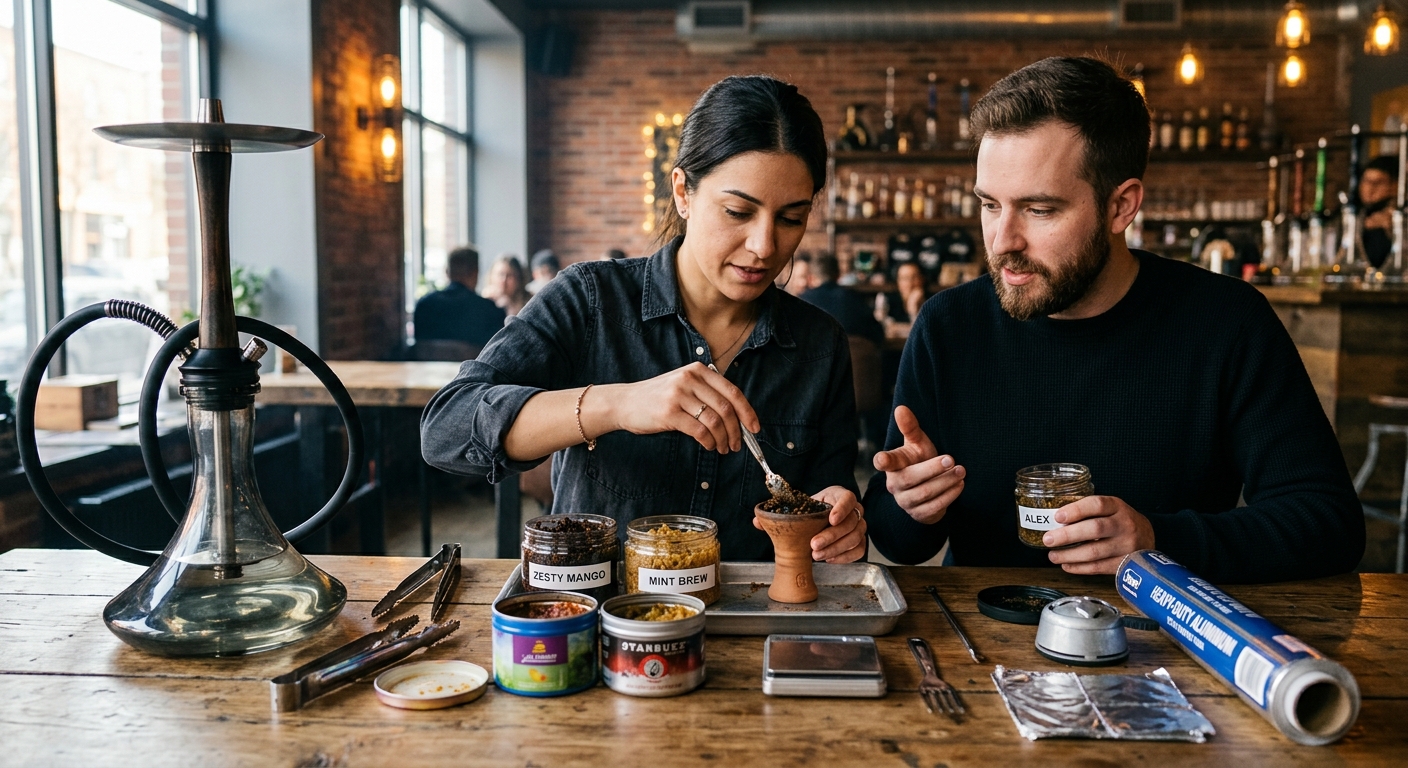
The most common and consistent way to mix shisha is by blending the tobaccos together before packing the bowl. Take the desired proportions of each flavor, place them on a cutting board or in a small mixing bowl, and thoroughly mix them with your fingers or a small fork. This method ensures that you get a uniform flavor profile throughout the entire smoking session.
The Sectional (Side-by-Side) Method
If you prefer a dynamic smoking experience where different flavors take turns at the forefront, the sectional method is ideal. Instead of mixing the tobacco, divide your bowl into sections (like a pie chart) and pack a different flavor into each section. As the heat from the coals shifts or as you rotate them, the dominant flavor will change.
The Layering Method
Layering involves packing one flavor at the bottom of the bowl and a different flavor on top. This technique creates a transitional smoking experience. Initially, you will taste the top layer, and as the heat penetrates deeper into the bowl, the bottom flavor will emerge, eventually blending with the remnants of the top layer.
Establishing Proportions
Proportion is the key to a successful mix. A common mistake beginners make is mixing flavors in equal parts (50/50). While this can work for flavors with similar intensities, it often results in the stronger flavor completely masking the weaker one.
- The Base (60-70%): This should be a robust, crowd-pleasing flavor that serves as the foundation of your mix, such as double apple or peach.
- The Secondary Flavor (20-30%): This flavor complements the base, adding complexity. For example, adding vanilla to a berry base.
- The Accent (5-10%): Accents are strong, overpowering flavors like mint, rose, or cinnamon. A tiny pinch is usually enough to alter the entire profile without ruining it.
The following table compares the intensity, typical usage percentage, and common flavor examples to help you structure your custom blends effectively.
| Flavor Category | Intensity Level | Typical Usage (%) | Common Examples |
|---|---|---|---|
| Fruit Base | Moderate | 60 - 70 | Apple, Peach, Melon |
| Cream/Dessert | Heavy | 20 - 30 | Vanilla, Caramel, Chocolate |
| Mint/Cooling | Very High | 5 - 15 | Peppermint, Menthol, Ice |
| Floral/Spice | High | 5 - 10 | Rose, Cinnamon, Cardamom |
Expert Tips for Perfect Blends
To truly master how to mix shisha flavors, consider the physical properties of the brands you are using. Different brands use different types of tobacco leaves (blonde vs. dark leaf) and varying levels of molasses and glycerin. Mixing a very juicy shisha with a drier one can balance the moisture level of your bowl, preventing the molasses from boiling over or the dry tobacco from burning too quickly.
Furthermore, heat management plays a critical role. Some flavors, particularly delicate florals and bright citrus, can degrade if exposed to excessive heat. When smoking a delicate mix, start with fewer coals to allow the flavors to gently warm up and release their natural aromatic compounds.
Conclusion
Learning how to mix shisha flavors is a rewarding endeavor that allows you to customize your hookah sessions to your exact preferences. By understanding the distinct flavor profiles, mastering various packing techniques, and respecting the proportions of base notes to accents, you can create countless unique blends. Remember to experiment carefully, take notes on your favorite ratios, and manage your heat properly to ensure a smooth, flavorful smoke every time.
Frequently Asked Questions
Can I mix blonde leaf and dark leaf shisha?
Yes, you can mix blonde and dark leaf shisha, but you must be mindful of their different heat tolerances and nicotine levels. It is usually best to mix them thoroughly or layer the dark leaf at the bottom, as it typically requires more heat to smoke properly.
Why does my mix taste like nothing or taste burnt?
If your mix lacks flavor or tastes burnt, you may be using too much heat, or you may have packed the bowl too densely. Overpacking restricts airflow and causes the top layer of tobacco to burn before the flavors can properly vaporize. Ensure a fluffy pack and manage your coals carefully.
How much mint should I add to a mix?
Mint is a very strong accent flavor. Generally, mint should only make up 5% to 15% of your total bowl. Starting with a small pinch is recommended; you can always adjust the ratio in your next session if you prefer a colder smoke.
Comments
Post a Comment