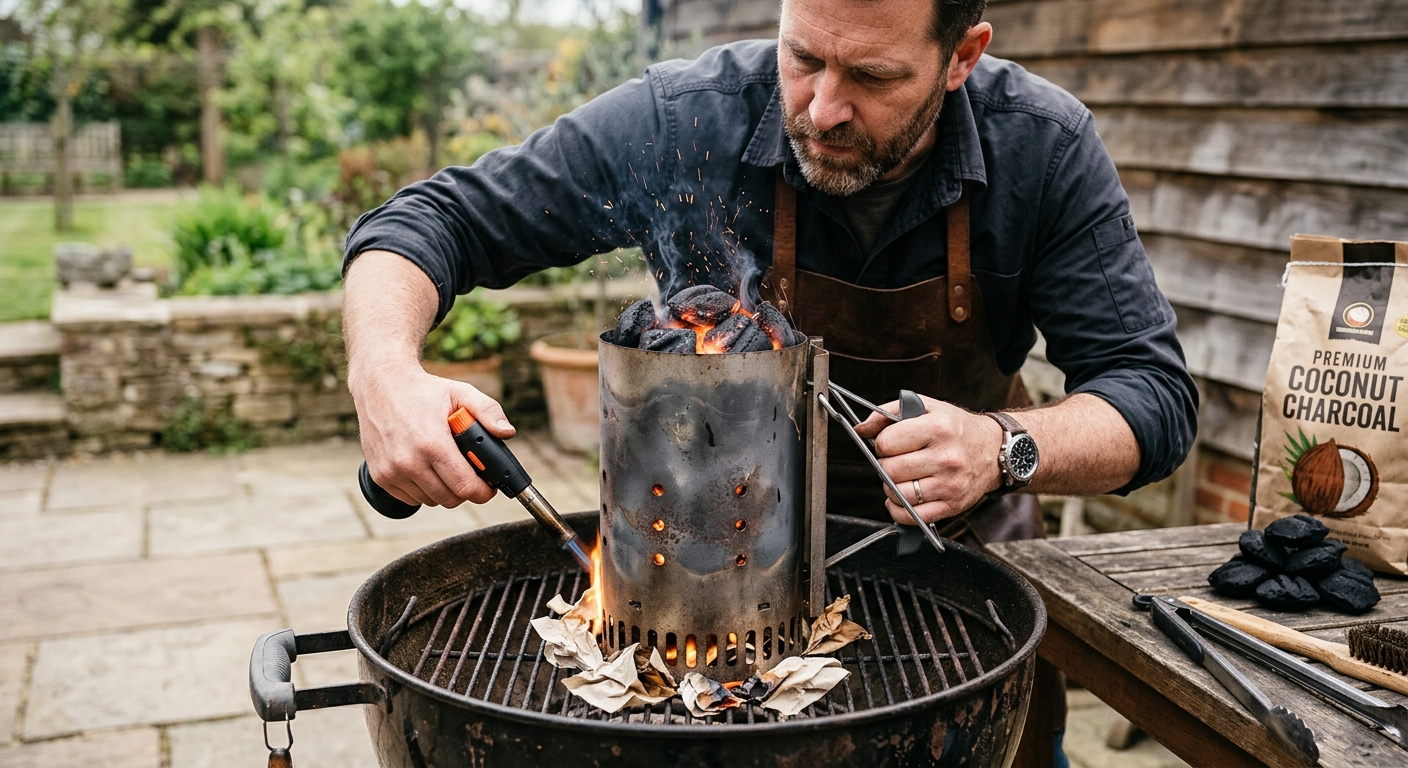
Introduction to Coconut Charcoal
Coconut charcoal has become the gold standard for both hookah enthusiasts and professional grill masters. Made from compressed coconut shells, these eco-friendly briquettes offer a clean, odorless, and long-lasting burn. Unlike traditional quick-light coals that are coated in chemical accelerants, natural coconut charcoal requires a more robust heat source to ignite properly. This guide will walk you through the most effective and safest methods for lighting coconut charcoal.
Why Choose Coconut Charcoal?
Before diving into the lighting techniques, it is important to understand why coconut charcoal is preferred over traditional wood lump or chemical-coated briquettes. First, coconut coals leave behind significantly less ash, typically around 2% to 5% of their original volume. Second, they do not impart any unwanted chemical flavors to your hookah shisha or grilled food. Finally, they boast a longer burning time, often lasting up to two hours depending on the brand and environmental conditions.
Methods for Lighting Coconut Charcoal
The Single Coil Burner Method
The most common and effective way to light coconut charcoal is by using a dedicated single coil electric burner. This method provides consistent, direct heat that ignites the coals evenly without the need for an open flame.
- Step 1: Plug in your electric coil burner and turn the heat dial to the highest setting.
- Step 2: Place the coconut charcoal briquettes directly onto the heated coils. Ensure they are spaced out slightly to allow for airflow.
- Step 3: Leave the coals on the burner for approximately 4 to 5 minutes. You will notice the bottom half turning red and gray ash beginning to form.
- Step 4: Using metal tongs, flip each coal over to expose the unlit side to the coils.
- Step 5: Wait another 3 to 4 minutes until the coals are completely covered in a thin layer of gray ash and glowing red throughout. They are now ready to use.
The Gas Stove Method
If you do not have an electric coil burner, a gas stove can serve as a viable alternative. However, this method requires extreme caution to avoid damaging your stovetop or causing a fire.
- Step 1: Turn on your gas stove burner to a medium-high flame.
- Step 2: Use a metal grate or a specific charcoal holder to keep the coals elevated above the direct gas jets. Do not place coals directly on the stove grates if they are prone to staining or damage.
- Step 3: Place the coals on the grate over the flame.
- Step 4: Wait 5 to 6 minutes, then use tongs to flip the coals.
- Step 5: Remove the coals once they are fully glowing red and covered in white ash.
The Charcoal Chimney Starter (For Grilling)
When using coconut charcoal for BBQ and grilling, a chimney starter is the most efficient method to light a large batch of briquettes simultaneously.
- Step 1: Fill the top section of the chimney starter with coconut charcoal briquettes.
- Step 2: Place 2 to 3 natural fire starter cubes or crumpled newspaper under the bottom wire rack of the chimney.
- Step 3: Light the fire starters or newspaper.
- Step 4: Allow the flames to draw up through the coals. This process typically takes 15 to 20 minutes.
- Step 5: Once the coals at the top are covered in gray ash, carefully pour them into your grill.
Below is a comparison of the different methods used to light coconut charcoal, evaluating their ideal use case, average time required, and required equipment.
| Lighting Method | Ideal Use Case | Average Time | Required Equipment |
|---|---|---|---|
| Electric Coil Burner | Hookah | 8-10 minutes | Coil burner, metal tongs |
| Gas Stove | Hookah (Alternative) | 10-12 minutes | Gas stove, metal grate, tongs |
| Chimney Starter | BBQ / Grilling | 15-20 minutes | Chimney starter, fire starters |
Safety Precautions
Lighting coconut charcoal involves high temperatures and open heat sources. Always adhere to the following safety guidelines:
- Use Proper Tools: Always handle lit or heating coals with long, heat-resistant metal tongs.
- Ventilation: Ensure you are in a well-ventilated area. While coconut charcoal is natural, the ignition process can consume oxygen and release trace amounts of carbon monoxide.
- Fire Safety: Keep a fire extinguisher or a bucket of water nearby, especially when lighting coals outdoors or near combustible materials.
- Cooling Down: Never dispose of hot ash or coals in a plastic trash can. Submerge them in water or let them cool completely in a metal container before disposal.
Conclusion
Lighting coconut charcoal correctly is essential for achieving the clean, long-lasting heat that these natural briquettes are known for. Whether you are preparing a relaxing hookah session using an electric coil burner or firing up the grill with a chimney starter, patience and proper technique are key. By following the steps outlined in this guide, you can ensure a safe and optimal burn every time, elevating your smoking or grilling experience without the interference of chemical flavors.
Frequently Asked Questions
Can I light coconut charcoal with a regular lighter?
No, a standard butane lighter or match does not produce enough sustained heat to ignite natural coconut charcoal. You need a continuous, high-heat source like an electric coil burner, gas stove, or a blowtorch.
How do I know when the coconut charcoal is fully lit?
Coconut charcoal is fully lit when it is glowing red completely through and is covered with a thin layer of light gray or white ash. If there are any black, unlit patches, the coal will not perform optimally and may extinguish prematurely.
Why does my coconut charcoal keep going out?
If your coconut charcoal keeps going out, it likely was not fully ignited before use. Ensure you leave the coals on the heat source long enough, flipping them halfway through, until all sides are glowing red. Additionally, ensure your smoking or grilling setup has adequate airflow.
Is coconut charcoal better than quick-light charcoal?
Yes, coconut charcoal is generally considered superior to quick-light charcoal. It burns hotter, lasts longer, produces less ash, and does not contain the chemical accelerants (like sulfur or saltpeter) that can negatively affect the flavor of your shisha or food.
Comments
Post a Comment