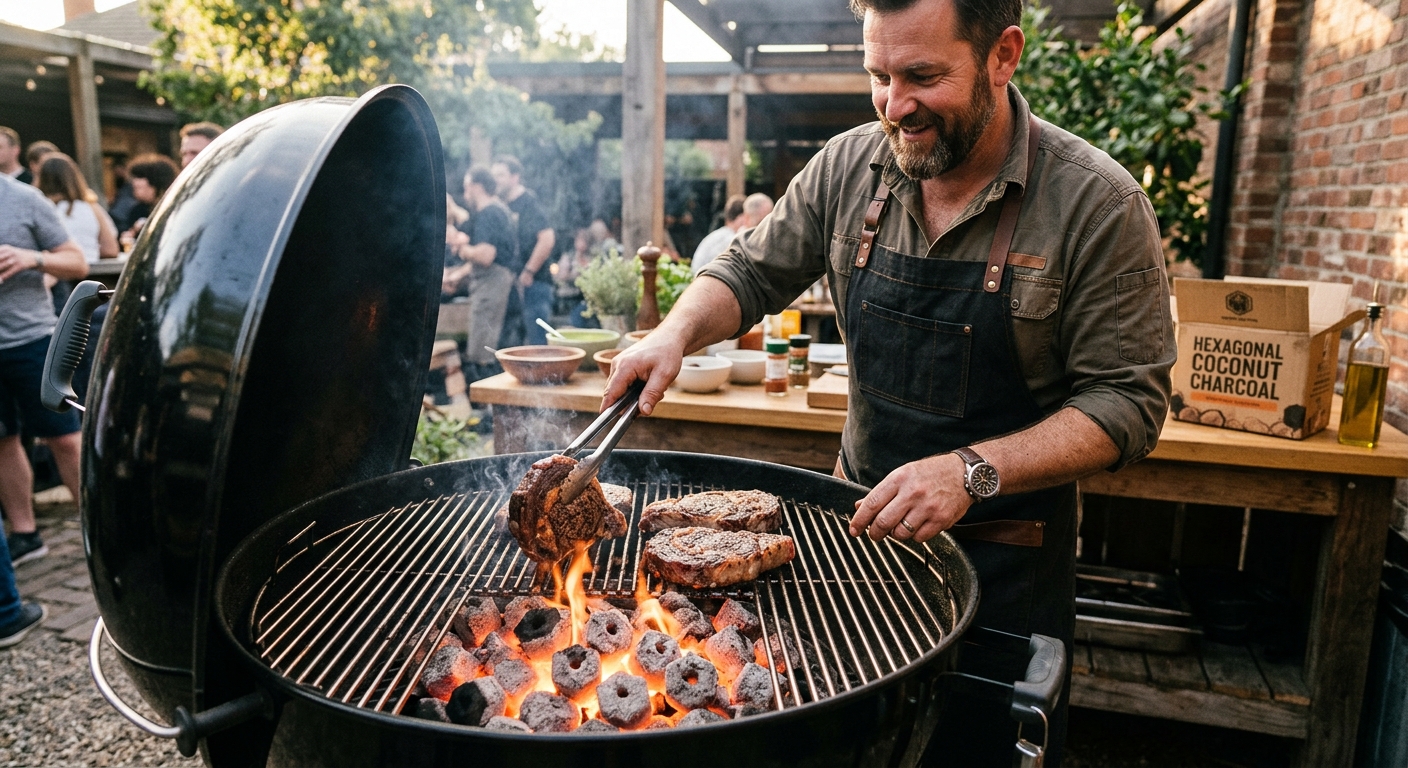
Introduction to Hexagonal Coconut Charcoal
For barbecue enthusiasts and professional pitmasters alike, the choice of fuel is just as crucial as the quality of the meat being grilled. In recent years, hexagonal coconut charcoal has emerged as a premium alternative to traditional wood charcoal and chemical-laden briquettes. Made from 100% natural coconut shells, this eco-friendly fuel source offers a unique combination of high heat, long burning times, and minimal smoke, making it an exceptional choice for any BBQ setup.
The Manufacturing Process
The journey of hexagonal coconut charcoal begins with the harvesting of mature coconuts. After the coconut meat and water are extracted for the food industry, the remaining shells are often discarded as waste. Charcoal producers collect these shells, clean them, and subject them to a process called carbonization. This involves heating the shells in an oxygen-depleted environment to remove moisture and volatile compounds, leaving behind pure carbon.
Once carbonized, the charcoal is crushed into a fine powder, mixed with a natural binder (usually tapioca starch), and extruded through high-pressure machines into its signature hexagonal shape. Finally, the briquettes are baked in large ovens to remove any remaining moisture, resulting in a dense, hard, and uniform product ready for the grill.
Why the Hexagonal Shape?
The hexagonal shape is not just for aesthetics; it serves a highly functional purpose. The central hole running through the hexagonal tube promotes excellent airflow, ensuring a consistent and even burn from the inside out. Furthermore, the flat edges of the hexagon allow the briquettes to be stacked neatly, optimizing space within the grill and providing a stable base for cooking.
Key Benefits of Coconut Charcoal for BBQ
1. Extended Burn Time
One of the most significant advantages of hexagonal coconut charcoal is its incredible density. Because it is compacted under high pressure, it burns up to three times longer than traditional lump charcoal. This means you can maintain a consistent cooking temperature for slow-roasting or smoking meats without constantly needing to replenish the fuel.
2. High and Consistent Heat
Coconut charcoal burns hotter than standard wood briquettes, often reaching temperatures exceeding 700 degrees Fahrenheit. This intense heat is perfect for searing steaks and locking in juices. Additionally, the uniform shape and density ensure that the heat remains steady throughout the cooking process, eliminating frustrating temperature fluctuations.
3. Odorless and Smokeless
Unlike some traditional charcoals that emit heavy smoke and strong odors, high-quality coconut charcoal is virtually smokeless and odorless. It imparts no unwanted flavors to your food, allowing the natural taste of your marinades, rubs, and the meat itself to shine through.
4. Low Ash Production
Cleaning up after a BBQ can be a chore, but coconut charcoal makes it easier. It produces significantly less ash than traditional wood briquettes—often less than 5% of its original volume. This not only makes cleanup a breeze but also prevents ash from blowing onto your carefully prepared food.
5. Eco-Friendly and Sustainable
By utilizing discarded coconut shells, this charcoal turns an agricultural byproduct into a valuable resource. It requires no trees to be cut down, making it a highly sustainable and environmentally responsible choice for conscientious consumers.
Comparing Charcoal Options
To better understand why hexagonal coconut charcoal is superior for long BBQ sessions, let us compare it directly to standard wood lump charcoal and traditional pillow-shaped briquettes.
| Fuel Type | Average Burn Time | Peak Temperature | Ash Production |
|---|---|---|---|
| Hexagonal Coconut Charcoal | 4 to 6 Hours | 750°F | Low (<5%) |
| Hardwood Lump Charcoal | 1 to 2 Hours | 900°F | Moderate |
| Traditional Wood Briquettes | 2 to 3 Hours | 600°F | High |
How to Light Hexagonal Coconut Charcoal
Because of its high density, hexagonal coconut charcoal can take slightly longer to light than traditional lump charcoal. However, with the right technique, it is a straightforward process. Do not use lighter fluid, as it will taint the flavor of your food and defeat the purpose of using a natural fuel.
- Use a Charcoal Chimney: This is the most effective method. Place newspaper or natural fire starters under the chimney, fill the top with coconut charcoal, and light from the bottom. Within 15 to 20 minutes, the charcoal will be glowing red and ready to use.
- Electric Charcoal Starter: An electric heating loop can ignite the charcoal quickly and cleanly without any open flames.
- Natural Fire Starters: Place a few natural wood wool or wax fire starters in a pile of charcoal and light them. Ensure good airflow until the charcoal catches.
Best Practices for Grilling
Once your hexagonal coconut charcoal is lit and covered in a fine layer of white ash, spread it out in your grill according to your cooking method. For direct grilling (burgers, hot dogs, thin steaks), spread the coals evenly. For indirect grilling (ribs, whole chickens, briskets), push the coals to one side of the grill to create a two-zone cooking setup. Thanks to the long burn time, you can confidently tackle slow-cooked recipes without the anxiety of the fire dying out prematurely.
Conclusion
Hexagonal coconut charcoal represents a significant upgrade for anyone serious about outdoor cooking. Its sustainable origins, coupled with its remarkable performance characteristics—such as long burn times, high heat, and low ash—make it an ideal fuel for everything from a quick backyard burger flip to an all-day smoking session. By making the switch to this premium, eco-friendly charcoal, you not only improve your grilling experience but also contribute to a more sustainable planet.
Frequently Asked Questions (FAQ)
Can I use hexagonal coconut charcoal in a ceramic kamado grill?
Yes, hexagonal coconut charcoal is excellent for kamado grills like the Big Green Egg or Kamado Joe. Its long burn time and low ash production are perfect for the efficient, insulated environment of a ceramic cooker.
Does coconut charcoal make the food taste like coconut?
No. The carbonization process removes all the natural oils and moisture from the coconut shells. The resulting charcoal is completely neutral, odorless, and smokeless, ensuring your food tastes exactly as you seasoned it.
How should I store my coconut charcoal?
Store your coconut charcoal in a cool, dry place. Keep the bag tightly sealed or transfer the briquettes to a waterproof container to prevent them from absorbing ambient moisture, which can make them difficult to light.
Is hexagonal coconut charcoal more expensive than regular charcoal?
While the upfront cost per pound may be higher than cheap supermarket briquettes, the extended burn time and high heat output mean you use significantly less fuel per BBQ session, making it highly cost-effective in the long run.
Comments
Post a Comment