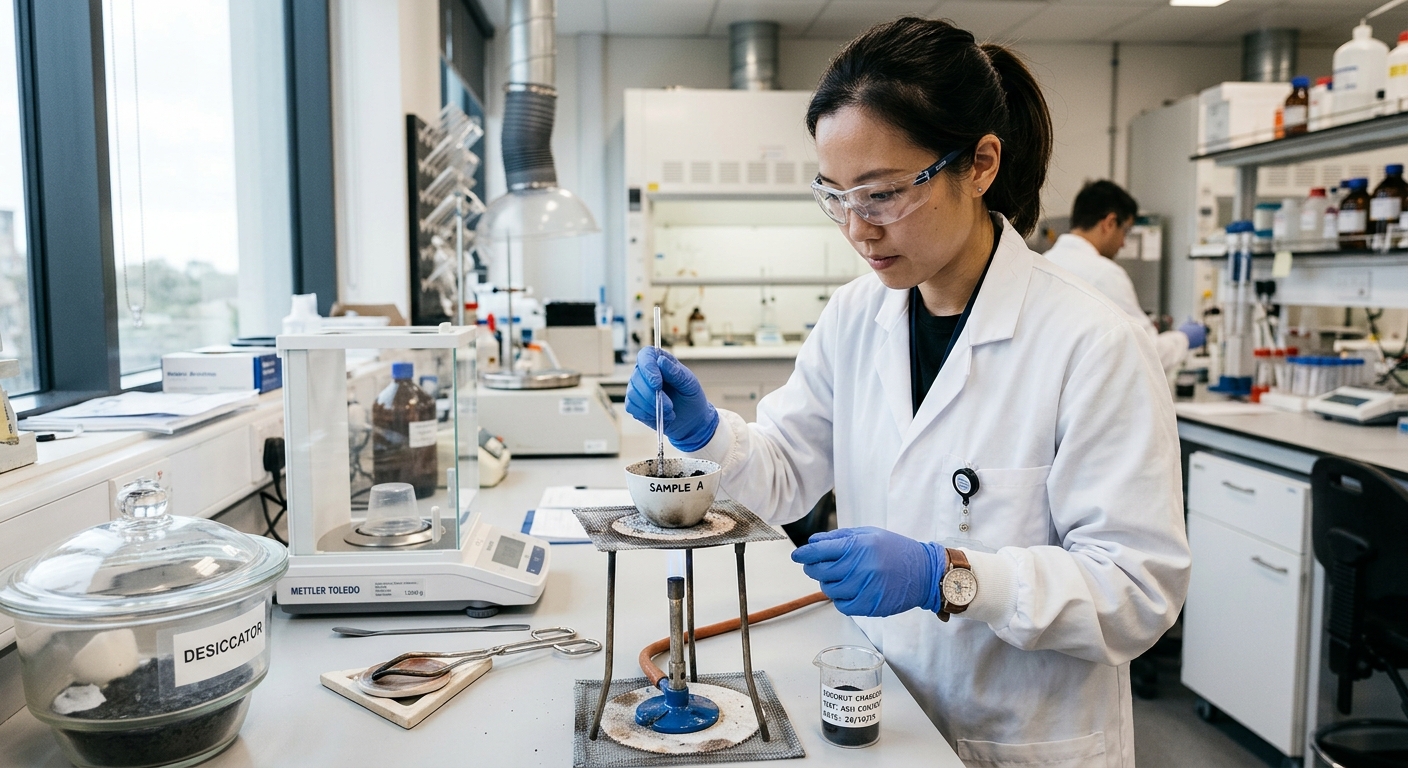
When it comes to evaluating the quality of coconut shell charcoal, one of the most critical parameters is the ash content. The coconut charcoal ash content test is a fundamental analytical procedure used by manufacturers, quality control inspectors, and buyers to determine the purity and performance characteristics of the charcoal. In this comprehensive guide, we will delve into the intricacies of ash content testing, why it matters, and how it impacts the overall quality of coconut charcoal.
Understanding Coconut Shell Charcoal
Coconut shell charcoal is a premium carbon product widely used for various applications, including shisha/hookah, barbecues, water purification, and as a precursor for activated carbon. Its popularity stems from its high density, long burning time, low smoke emission, and minimal ash production compared to other types of charcoal, such as wood or bamboo.
However, not all coconut charcoal is created equal. The quality depends heavily on the raw materials used, the carbonization process, and the manufacturing standards. To ensure consistency and high performance, rigorous laboratory testing is essential, with the ash content test being a primary indicator of quality.
What is Ash Content in Charcoal?
Ash is the inorganic, non-combustible residue left behind after the complete combustion of carbonaceous materials. In coconut charcoal, this residue primarily consists of minerals naturally present in the coconut shells, such as silica, calcium, potassium, and magnesium, as well as any impurities introduced during the harvesting, drying, or carbonization processes (like soil or sand).
A lower ash content generally indicates a higher purity of carbon and a better quality product. For premium shisha charcoal, the ash content is typically expected to be below 2.5%, whereas barbecue charcoal might tolerate slightly higher levels, usually around 3% to 5%.
The Importance of the Coconut Charcoal Ash Content Test
Conducting a precise ash content test is crucial for several reasons:
- Performance Indicator: High ash content can smother the burning charcoal, reducing its heat output (calorific value) and shortening its burning time.
- User Experience: For shisha users, excessive ash can affect the taste of the tobacco and require frequent cleaning of the bowl. Low ash ensures a cleaner, longer-lasting session.
- Quality Control: By measuring ash content, manufacturers can identify inconsistencies in their raw material supply or flaws in their production process, such as contamination with sand or soil.
- Market Value: Buyers use ash content specifications to negotiate prices. Premium charcoal with low ash commands a higher market price.
How the Ash Content Test is Conducted
The coconut charcoal ash content test is a standardized laboratory procedure, often following international standards such as ASTM D1762 (Standard Test Method for Chemical Analysis of Wood Charcoal) or similar ISO standards. The process involves carefully controlled heating to ensure that all combustible materials are burned away, leaving only the inorganic ash.
Step-by-Step Testing Procedure
- Sample Preparation: A representative sample of the coconut charcoal is collected and ground into a fine powder. This ensures uniform combustion.
- Weighing: An empty, clean, and dry crucible (usually made of porcelain, silica, or platinum) is weighed precisely. A specific amount of the powdered charcoal sample (typically 1 to 2 grams) is added to the crucible, and the total weight is recorded.
- Combustion: The crucible containing the sample is placed in a muffle furnace. The furnace is slowly heated to a specific temperature, usually around 700°C to 750°C (1292°F to 1382°F). The slow heating prevents mechanical loss of the sample due to sudden drafts or rapid release of volatile matter.
- Incubation: The sample is left in the furnace for several hours (often 2 to 6 hours) until all the carbon is completely oxidized, and the sample reaches a constant weight. The residue should appear uniformly white or grey, with no black carbon particles remaining.
- Cooling and Final Weighing: The crucible is removed from the furnace and placed in a desiccator to cool to room temperature without absorbing moisture from the air. Once cooled, it is weighed again.
Calculating the Ash Content
The ash content is calculated as a percentage of the original sample weight using the following formula:
Ash Content (%) = (Weight of Ash / Weight of Original Sample) x 100
Comparing Charcoal Types by Ash Content
To understand where coconut charcoal stands in the market, it is helpful to compare its typical ash content and heating value with other common types of charcoal.
| Charcoal Type | Typical Ash Content (%) | Typical Heating Value (kcal/kg) |
|---|---|---|
| Premium Coconut Shell | 1.5 - 2.5 | 7,200 - 7,500 |
| Hardwood Lump | 3.0 - 5.0 | 6,500 - 7,000 |
| Bamboo Charcoal | 4.0 - 6.0 | 6,000 - 6,500 |
| Standard Briquettes | 8.0 - 15.0 | 5,000 - 6,000 |
Factors Influencing Ash Content in Coconut Charcoal
Several variables can affect the final ash content of coconut charcoal. Understanding these can help manufacturers optimize their processes.
1. Quality of Raw Materials
The maturity of the coconut affects the shell's composition. Fully mature coconut shells tend to yield better quality charcoal. Furthermore, if the shells are stored on the ground, they can pick up sand, dirt, and mud. If not properly cleaned before carbonization, these impurities will drastically increase the ash content.
2. Carbonization Process
The temperature and duration of the carbonization process play a vital role. Incomplete carbonization leaves unburned organic matter, which isn't ash, but affects overall fixed carbon levels. Over-burning can degrade the carbon structure, relatively increasing the ash concentration per unit of weight.
3. Binder Material
When producing coconut charcoal briquettes, a binder (usually tapioca starch) is added to hold the shape. The quality and quantity of the binder can contribute to the final ash content. Using excessive or low-quality binder will result in higher ash.
Conclusion
The coconut charcoal ash content test is a non-negotiable step in assessing the quality and value of charcoal products. A low ash content guarantees high calorific value, long burning time, and a clean experience, which are highly sought after in both the shisha and barbecue markets. By maintaining strict quality control and understanding the factors that contribute to ash formation, manufacturers can consistently deliver premium coconut charcoal that meets international standards and consumer expectations.
Frequently Asked Questions (FAQ)
What is a good ash content percentage for coconut shisha charcoal?
For premium coconut shisha charcoal, the ideal ash content should be strictly below 2.5%, with many top-tier brands achieving levels between 1.5% and 2.0%. This ensures the charcoal does not affect the flavor of the shisha and burns cleanly for a long duration.
Does high ash content mean the charcoal is of bad quality?
Generally, yes. High ash content indicates lower fixed carbon, meaning the charcoal will produce less heat, burn faster, and leave behind more messy residue. It often points to the inclusion of impurities like dirt or the use of inferior raw materials during production.
Can ash content be reduced after the charcoal is made?
Once the charcoal is carbonized and briquetted, the inherent ash content cannot be reduced. The only way to ensure low ash content is through preventative measures: selecting clean, high-quality coconut shells, washing them to remove sand and dirt, and using high-quality binders during the briquetting process.
Why is my coconut charcoal turning black instead of white when it ashes?
If the ash left behind is dark or black rather than white or light grey, it typically means the charcoal underwent incomplete combustion. This can be caused by a lack of oxygen during burning or poor initial carbonization where volatile matters were not fully burned off during the manufacturing process.
Comments
Post a Comment