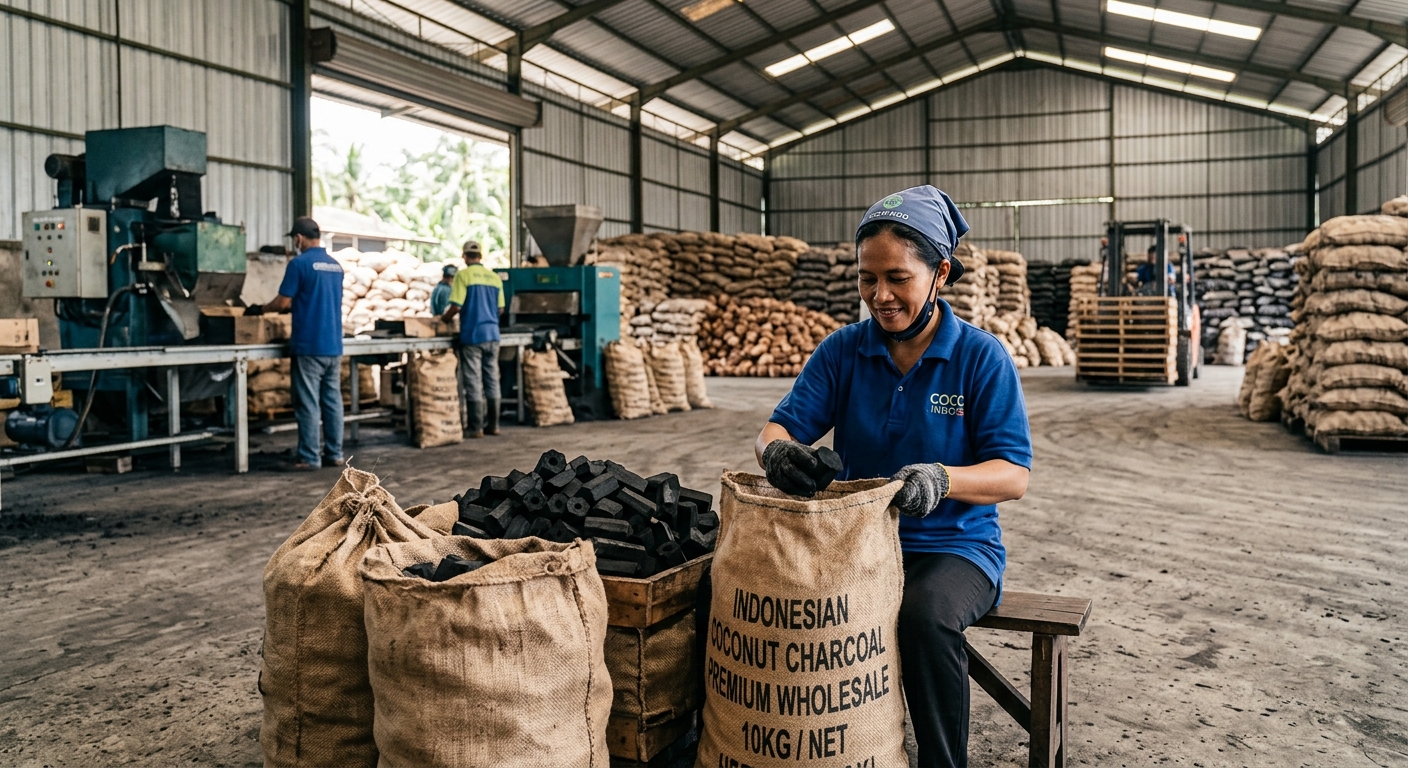
Introduction to Indonesian Coconut Charcoal
Indonesia has emerged as the global leader in the production and exportation of coconut shell charcoal. Known for its extensive coastlines and tropical climate, the archipelago provides the perfect environment for coconut cultivation. This natural abundance has paved the way for a thriving industry centered around coconut charcoal, a product highly sought after for its eco-friendly properties, high heat output, and minimal ash production.
For businesses looking to source premium charcoal for shisha, hookah, or barbecue applications, wholesale coconut charcoal suppliers in Indonesia offer unparalleled quality and competitive pricing. This comprehensive guide will explore the benefits of Indonesian coconut charcoal, the manufacturing process, and how to select the right wholesale supplier for your business needs.
Why Choose Indonesian Coconut Charcoal?
Coconut charcoal from Indonesia stands out in the international market for several compelling reasons. Unlike traditional wood charcoal or coal-based alternatives, coconut shell charcoal is a sustainable and renewable resource. It is produced by utilizing the discarded shells of coconuts, thereby reducing agricultural waste and preventing deforestation.
Superior Burning Properties
One of the primary reasons buyers prefer Indonesian coconut charcoal is its exceptional burning characteristics. It burns hotter, lasts longer, and produces significantly less smoke and odor compared to other types of charcoal. This makes it particularly ideal for indoor use, such as in shisha lounges, where a clean burn is essential to preserve the flavor of the tobacco.
Minimal Ash Production
High-quality Indonesian coconut charcoal typically yields an ash content of less than 3%. The ash produced is usually white or light gray and maintains the shape of the briquette, preventing it from blowing around and creating a mess. This low ash residue is a hallmark of premium manufacturing processes.
The Manufacturing Process
Understanding how coconut charcoal is produced can help buyers appreciate the value and quality of the final product. The process involves several meticulous steps to ensure consistency and high performance.
- Carbonization: The raw coconut shells are cleaned and burned in a low-oxygen environment. This process, known as carbonization, removes moisture and volatile compounds, leaving behind pure carbon.
- Crushing and Sieving: The carbonized shells are crushed into a fine powder and sieved to ensure a uniform particle size, which is crucial for the density of the final briquettes.
- Mixing: The charcoal powder is mixed with a natural binder, usually tapioca starch, and water. This natural binder ensures that no chemical additives are introduced to the product.
- Molding and Extrusion: The mixture is pressed into various shapes, such as cubes, fingers, or hexagonal logs, depending on the intended application (e.g., shisha or BBQ).
- Drying: The molded briquettes are dried in large industrial ovens to reduce the moisture content to below 5%, ensuring a quick ignition and long burn time.
How to Choose the Right Wholesale Supplier
With numerous wholesale coconut charcoal suppliers in Indonesia, selecting a reliable partner is critical for ensuring a steady supply of high-quality products. Here are key factors to consider when evaluating potential suppliers.
Quality Assurance and Specifications
Always request detailed product specifications before placing a bulk order. Key metrics to look for include fixed carbon content (preferably above 75%), moisture content (below 5%), and ash content (below 3%). A reputable supplier should be able to provide recent laboratory test reports to verify these claims.
Production Capacity and Consistency
Ensure that the supplier has the manufacturing capacity to meet your volume requirements consistently. Inquire about their monthly production output and lead times. Consistency in quality across different batches is just as important as the initial sample quality.
Export Experience and Certifications
Exporting charcoal involves strict international shipping regulations because it is often classified as a dangerous good (self-heating substance). Choose a supplier with extensive export experience and the necessary certifications, such as a Material Safety Data Sheet (MSDS) and Vanning Certificates, to ensure smooth customs clearance.
The following table compares the typical specifications between premium shisha charcoal and standard BBQ charcoal produced in Indonesia.
| Specification | Premium Shisha Charcoal | Standard BBQ Charcoal |
|---|---|---|
| Fixed Carbon | > 80% | > 70% |
| Ash Content | < 2.5% | < 5% |
| Burn Time | 90 - 120 minutes | 2 - 4 hours |
| Ash Color | Pure White / Silver | Light Gray |
Logistics and Shipping Considerations
Importing coconut charcoal from Indonesia requires careful logistical planning. Most wholesale orders are shipped in 20-foot or 40-foot containers. It is essential to work closely with your supplier and a reliable freight forwarder who is experienced in handling charcoal shipments. Be aware of the specific documentation required by your destination country's customs authorities to avoid costly delays at the port.
Conclusion
Partnering with reputable wholesale coconut charcoal suppliers in Indonesia is a strategic move for businesses seeking premium, sustainable, and high-performing charcoal products. By understanding the manufacturing process, knowing what quality indicators to look for, and ensuring proper logistical arrangements, you can secure a reliable supply chain that meets your customers' demands. Indonesia's rich resources and manufacturing expertise make it the undisputed global hub for the best coconut shell charcoal on the market.
Frequently Asked Questions
What is the minimum order quantity (MOQ) for wholesale coconut charcoal from Indonesia?
The MOQ varies by supplier, but most require a minimum order of one 20-foot shipping container, which typically holds around 17 to 18 metric tons of packaged charcoal.
Is Indonesian coconut charcoal environmentally friendly?
Yes, it is highly sustainable. The charcoal is made from upcycled coconut shells that would otherwise be discarded as agricultural waste. No trees are cut down to produce coconut shell charcoal.
Why is my coconut charcoal producing black smoke?
High-quality coconut charcoal should not produce black smoke. If it does, it indicates poor carbonization, high moisture content, or the presence of chemical additives or impurities. Always source from suppliers who provide certified lab tests.
Can I request custom packaging for my wholesale order?
Absolutely. Most wholesale suppliers in Indonesia offer OEM (Original Equipment Manufacturer) services, allowing you to customize the inner boxes, master cartons, and even the shape of the briquettes to match your brand's specific requirements.
Comments
Post a Comment