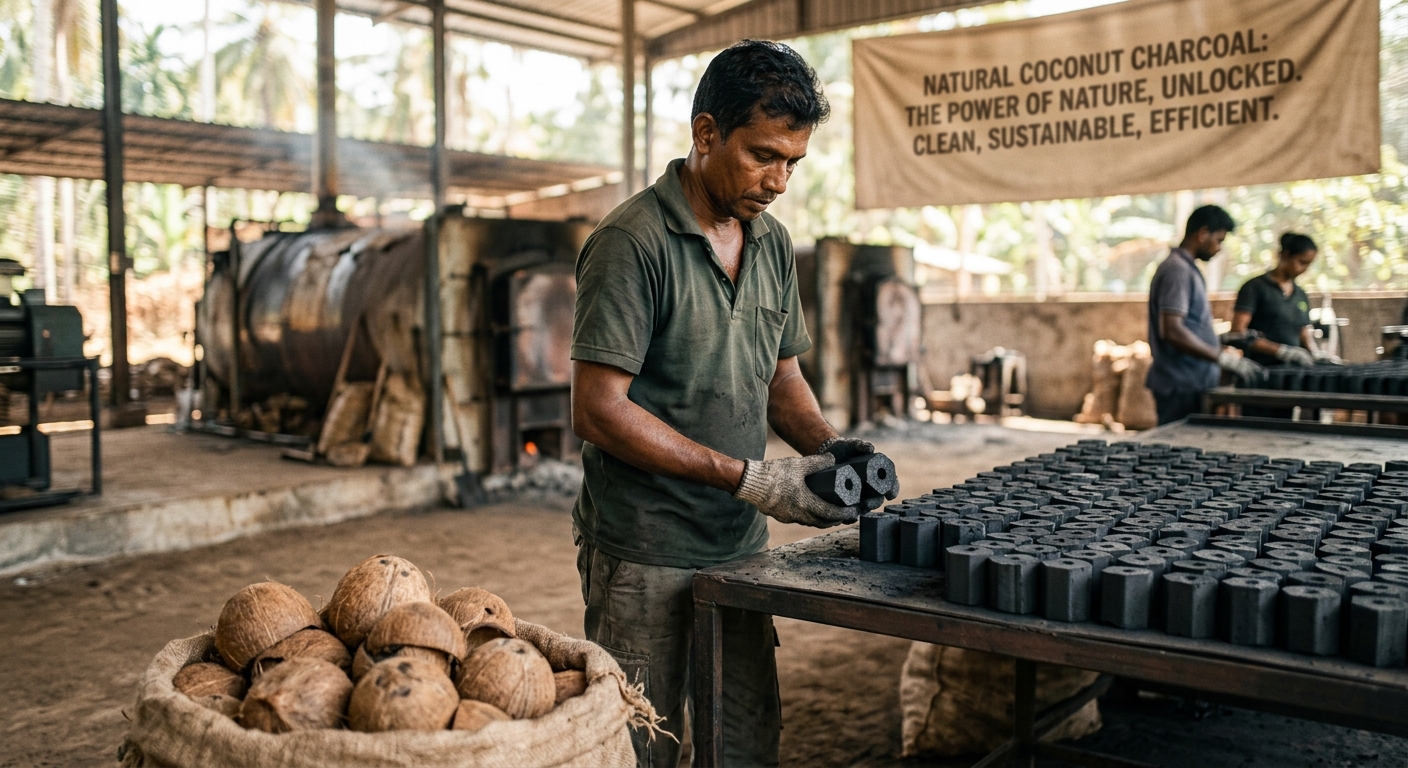
In recent years, the global shift toward sustainable and eco-friendly products has revolutionized numerous industries, including the way we grill, smoke, and purify. Among the most remarkable innovations in this space is the rise of natural coconut charcoal. Made from the discarded shells of coconuts, this remarkable alternative to traditional wood-based charcoal offers a myriad of advantages. From superior burn times to a drastically reduced environmental footprint, the benefits of natural coconut charcoal make it a compelling choice for consumers and businesses alike.
What is Natural Coconut Charcoal?
Natural coconut charcoal is a sustainable biofuel produced by carbonizing mature coconut shells. Unlike traditional charcoal, which requires the logging and burning of trees, coconut charcoal utilizes an abundant agricultural byproduct. After the coconut meat and water are harvested, the remaining hard shells are collected, cleaned, and baked in oxygen-deprived kilns. The resulting char is then crushed, mixed with a natural binder such as tapioca starch, and pressed into briquettes or cubes. This meticulous process ensures a pure, chemical-free product that is highly efficient and exceptionally clean-burning.
Environmental Sustainability: A Zero-Deforestation Fuel
One of the most profound benefits of natural coconut charcoal is its positive impact on the environment. Traditional charcoal production is a leading cause of deforestation in many parts of the world, contributing to habitat loss and elevated carbon emissions. By switching to coconut charcoal, consumers actively participate in mitigating these environmental crises.
- Upcycling Agricultural Waste: Millions of coconut shells are discarded annually. By transforming this waste into high-quality fuel, the coconut charcoal industry reduces landfill burden and prevents the uncontrolled burning of agricultural refuse.
- Zero Tree Felling: Because it relies exclusively on the shells of coconuts already harvested for the food and cosmetics industries, no trees are cut down to produce coconut charcoal.
- Lower Carbon Footprint: The carbon dioxide released during the combustion of coconut charcoal is offset by the carbon absorbed by the coconut palm during its growth cycle, making it a highly sustainable, carbon-neutral option.
Superior Performance and Efficiency
Beyond its environmental credentials, natural coconut charcoal boasts exceptional performance metrics that outperform standard wood charcoal and chemically treated briquettes. Whether you are an avid griller, a barbecue pitmaster, or a hookah enthusiast, the physical properties of coconut charcoal provide a superior experience.
Exceptional Burn Time: Coconut shells are incredibly dense. When carbonized and compressed, they create a briquette that burns significantly longer than traditional lump charcoal. On average, coconut charcoal can burn up to three times longer than standard wood briquettes, reducing the need to constantly replenish the fuel source during long cooking sessions.
Higher and Consistent Heat: The high density of coconut charcoal also translates to an intense, consistent heat output. It can reach higher temperatures than many wood alternatives, making it ideal for searing meats and maintaining the stable temperatures required for low-and-slow smoking.
Minimal Ash Production: One of the most frustrating aspects of using traditional charcoal is the sheer volume of ash left behind, which can clog vents and make cleanup a chore. Natural coconut charcoal produces remarkably low ash—typically leaving behind less than 5% of its original volume. This keeps the cooking environment cleaner and ensures consistent airflow.
Here is a comparison of how natural coconut charcoal stacks up against traditional wood charcoal across key performance attributes:
| Charcoal Type | Average Burn Time | Ash Production | Maximum Heat Output | Raw Material Source |
|---|---|---|---|---|
| Natural Coconut Charcoal | 2 to 3 hours | Under 5% | Up to 7000 kcal/kg | Discarded Coconut Shells |
| Traditional Wood Charcoal | 45 to 60 minutes | 15% to 20% | Up to 5500 kcal/kg | Felled Hardwood Trees |
Health and Safety Advantages
Many commercially available charcoal briquettes are saturated with chemical additives, nitrates, and petroleum-based accelerants designed to make them ignite faster. When burned, these chemicals release toxic fumes that can taint the flavor of food and pose respiratory hazards. Natural coconut charcoal eliminates these risks.
- Chemical-Free and Odorless: Because it is made exclusively from coconut shells and a natural binder, coconut charcoal burns completely odorless and smokeless. It does not impart any harsh, chemical flavors into your food, allowing the natural taste of your marinades and rubs to shine through.
- Spark-Free Combustion: Traditional lump charcoal often sparks and pops as moisture pockets expand and burst. Coconut charcoal is manufactured with strict moisture control, resulting in a smooth, spark-free burn that is safer for enclosed spaces and outdoor patios alike.
- Reduced Smoke Emissions: The purity and high carbon content of coconut charcoal mean it produces virtually no smoke once fully lit. This makes it a preferred choice for individuals sensitive to smoke and for applications like hookah smoking, where clean, unadulterated heat is paramount.
Diverse Applications of Coconut Charcoal
While often associated with premium barbecuing, the benefits of natural coconut charcoal extend to a variety of other uses:
Hookah and Shisha: Hookah smokers highly prize coconut charcoal cubes. Because they are odorless, smokeless, and chemical-free, they do not interfere with the delicate flavors of the shisha tobacco. Their long burn time also allows for extended sessions without constant coal rotations.
Water and Air Purification: Activated coconut charcoal is widely regarded as one of the best filtration mediums in the world. The high microporosity of the coconut shell carbon makes it exceptionally effective at trapping impurities, toxins, and volatile organic compounds (VOCs) in both water filtration systems and air purifiers.
Soil Amendment (Biochar): The remnants of coconut charcoal can be used as biochar to enrich garden soil. It helps retain moisture, provides a habitat for beneficial soil microbes, and sequesters carbon safely in the earth.
Conclusion
The transition to natural coconut charcoal represents a rare scenario where an eco-friendly choice does not require a compromise on quality. With its remarkable sustainability, impressive burn times, intense heat output, and clean, chemical-free composition, natural coconut charcoal is vastly superior to traditional wood-based alternatives. By choosing this innovative fuel, consumers can elevate their grilling and smoking experiences while playing an active role in protecting global forests and reducing agricultural waste.
Frequently Asked Questions
Is natural coconut charcoal hard to light?
Because natural coconut charcoal does not contain chemical accelerants or lighter fluid, it can take slightly longer to light than quick-light briquettes. However, using a charcoal chimney starter or an electric charcoal lighter makes the process simple and efficient, usually taking about 10 to 15 minutes.
Does coconut charcoal make food taste like coconuts?
No, it does not. The carbonization process removes all the organic compounds that give coconuts their flavor and aroma. When burning, natural coconut charcoal is entirely odorless and flavorless, ensuring that your food tastes exactly as intended.
Can I use coconut charcoal in a ceramic kamado grill?
Absolutely. In fact, coconut charcoal is highly recommended for kamado-style grills like the Big Green Egg or Kamado Joe. Its low ash production prevents the grill's airflow vents from clogging, and its long, consistent burn is perfect for the precise temperature control these grills are known for.
Why is coconut charcoal more expensive than regular charcoal?
The manufacturing process for natural coconut charcoal is highly meticulous, involving the collection, cleaning, and precise carbonization of shells, followed by mechanical extrusion. While the upfront cost may be slightly higher, its longer burn time means you use significantly less charcoal per cooking session, making it highly cost-effective in the long run.
Comments
Post a Comment