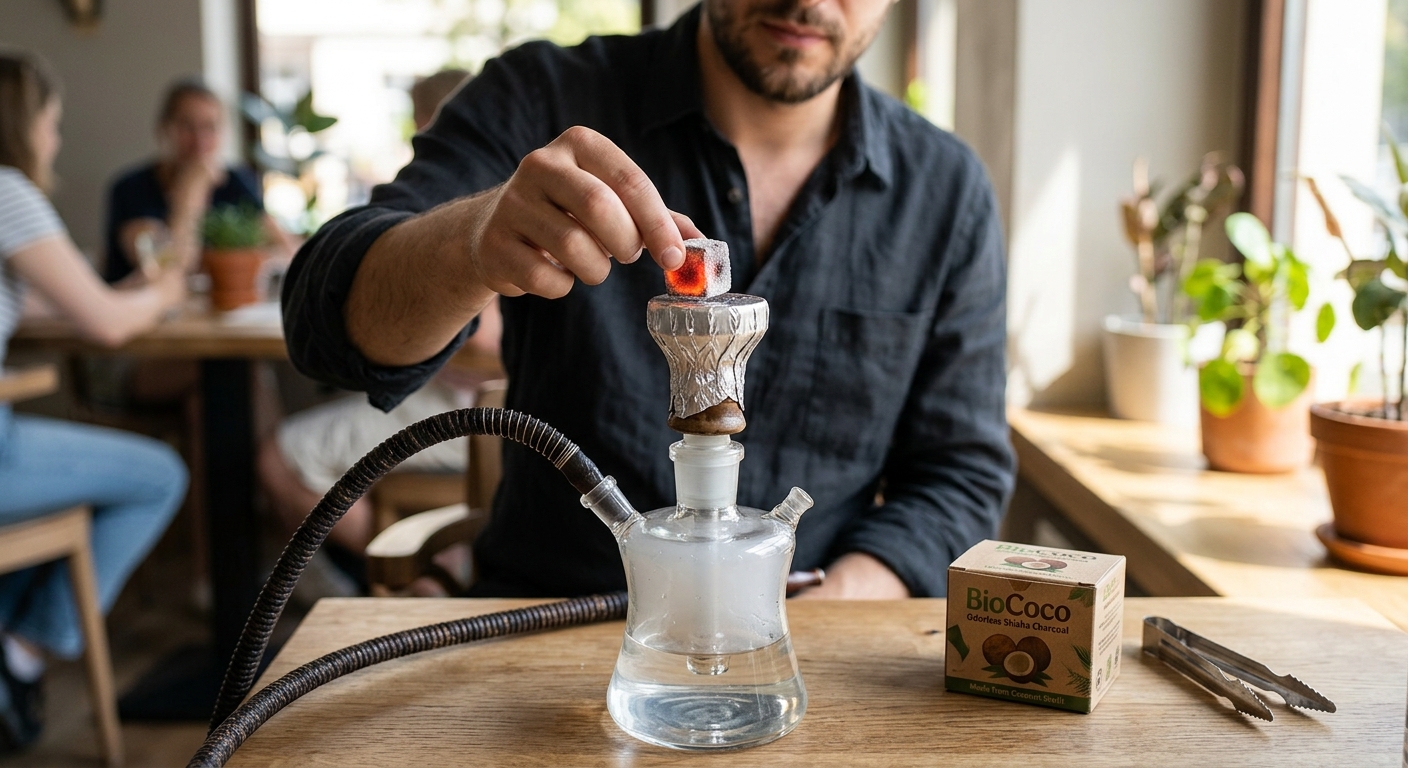
When it comes to enjoying a premium shisha or hookah session, the quality of your charcoal is just as important as the quality of your tobacco. For enthusiasts and lounge owners alike, the gold standard has rapidly become odorless coconut charcoal. Unlike traditional wood coals or chemically laced quick-light varieties, coconut charcoal offers a pure, unadulterated smoking experience that allows the true flavor of the shisha to shine through. In this comprehensive guide, we will explore everything you need to know about odorless coconut charcoal for shisha, why it is superior, and how it can elevate your smoking sessions.
What is Odorless Coconut Charcoal?
Odorless coconut charcoal is a natural, eco-friendly briquette made primarily from compressed coconut shells. The manufacturing process involves carbonizing coconut shells—a byproduct of the coconut industry that would otherwise be discarded as waste. Once carbonized, the material is ground into a fine powder, mixed with a natural, plant-based binder (usually tapioca starch), and pressed into various shapes such as cubes, flats, or hexes.
Because the process utilizes strictly natural ingredients without the addition of sulfur, saltpeter, or other chemical accelerants, the resulting charcoal produces zero distinct smell or taste when fully lit. This odorless characteristic is paramount for shisha smokers, as it ensures that the delicate, carefully crafted flavors of the shisha tobacco are not overpowered by the acrid smoke often associated with inferior heating elements.
Key Benefits of Using Coconut Charcoal for Hookah
Transitioning to coconut charcoal offers a myriad of benefits that dramatically improve the overall hookah experience. Here are the primary reasons why professionals and connoisseurs prefer this natural alternative:
- Odorless and Tasteless: As the name suggests, the lack of chemical additives means the charcoal will not emit a foul odor or alter the taste of your shisha. You experience exactly what the tobacco manufacturer intended.
- Longer Burn Time: Coconut charcoal is incredibly dense. This high density allows it to burn much longer than quick-light or standard wood charcoal, often lasting between 60 to 90 minutes per session. This means fewer interruptions to swap out coals.
- Consistent, High Heat: These briquettes burn hotter and more consistently, providing an even distribution of heat to the shisha bowl. This prevents the tobacco from burning too quickly or unevenly.
- Low Ash Production: High-quality coconut coals produce significantly less ash (often less than 3% of their total volume). Less ash means less mess and a reduced risk of ash falling into your bowl and ruining the flavor.
- Eco-Friendly and Sustainable: No trees are cut down to produce coconut charcoal. By repurposing coconut shells, this product supports sustainable agricultural practices and reduces waste.
Comparing Shisha Charcoal Types
To truly understand the superiority of odorless coconut charcoal, it is helpful to compare it directly with the other common types of hookah charcoal available on the market: Quick-Light Charcoal and Traditional Wood Charcoal. The table below outlines the specific attributes of each.
| Charcoal Type | Average Burn Time | Odor Level | Ash Production | Chemical Additives |
|---|---|---|---|---|
| Coconut Charcoal | 60 - 90 Minutes | None (Odorless) | Low (< 3%) | None |
| Quick-Light Charcoal | 20 - 30 Minutes | High (Sulfur/Chemical) | High | Yes (Accelerants) |
| Traditional Wood Charcoal | 40 - 60 Minutes | Moderate (Woody smoke) | Moderate | Rarely |
How to Properly Light Odorless Coconut Charcoal
Because odorless coconut charcoal contains no chemical accelerants, it cannot be lit with a simple cigarette lighter or match. Proper preparation requires a sustained, intense heat source. Follow these professional steps to achieve the perfect burn:
Step 1: Choose Your Heating Element. A single-coil electric burner or a specialized hookah charcoal burner is highly recommended. Gas stoves can also work, but electric coil burners provide the most even heat.
Step 2: Position the Coals. Place the desired number of coconut charcoal cubes directly onto the heating coils. Ensure they are spaced out slightly so heat can circulate around them.
Step 3: Wait for the First Flip. Turn the burner to its highest setting. Let the coals sit for approximately 5 to 7 minutes. You will see the bottom half of the coals turn glowing red and ash over slightly.
Step 4: Flip the Coals. Using metal hookah tongs, carefully flip each piece of charcoal so the unlit side is now facing the heat source.
Step 5: Ensure Thorough Lighting. Wait another 4 to 5 minutes. The charcoal is ready only when it is completely glowing red on all sides and covered in a thin layer of light gray ash. Any black, unlit spots can introduce unwanted carbon monoxide and a harsh taste to your session.
Choosing the Right Shape and Size
Coconut charcoal comes in several shapes, each serving a specific purpose depending on your bowl setup and heat management device (HMD):
- Cubes: The most common shape (usually 25mm or 22mm). Cubes offer exceptional longevity and a stable base, making them ideal for traditional foil setups and larger bowls.
- Flats: These are essentially half-cubes. They provide great heat output but have a slightly shorter burn time. Flats are excellent for fine-tuning heat management, as they are easier to stack and move.
- Quarter Circles (Lotus Cut): Specifically designed to fit perfectly inside heat management devices like the Kaloud Lotus, providing maximized surface area contact.
- Hexagonal: Often used in traditional Middle Eastern setups, these finger-like pieces are easy to break apart and arrange around the edge of a bowl.
Conclusion
Upgrading to odorless coconut charcoal is arguably the single most impactful change you can make to improve your shisha sessions. By eliminating chemical odors, extending burn times, and providing a clean, consistent heat source, coconut charcoal ensures that your carefully chosen shisha tobacco is enjoyed to its absolute fullest potential. While it requires a bit more patience to light compared to quick-light alternatives, the resulting purity, flavor preservation, and eco-friendly footprint make it the undeniable choice for true hookah professionals and enthusiasts.
Frequently Asked Questions
Why does my coconut charcoal keep going out?
If your coconut charcoal is turning black and going out during your session, it was likely not fully lit before being placed on the bowl. Ensure the coal is glowing red on all sides before use. Additionally, a lack of airflow (such as packing foil too tightly without enough holes) can starve the coals of oxygen.
Can I light coconut charcoal with a lighter?
No. Because premium coconut charcoal is completely natural and lacks chemical accelerants like sulfur or saltpeter, a standard lighter cannot produce enough sustained heat to ignite it. You must use an electric coil burner, a gas stove, or a dedicated charcoal heater.
Is coconut charcoal safer than quick-light charcoal?
Yes. Coconut charcoal is widely considered safer and cleaner. Quick-light coals contain chemical accelerants (often benzene or sulfur) which can release harmful toxins and carbon monoxide when burned. Natural coconut charcoal produces a much cleaner burn, minimizing your exposure to unwanted chemical byproducts.
How should I store my odorless coconut charcoal?
Charcoal is highly porous and will absorb moisture from the air, which can make it difficult to light and cause it to burn improperly. You should always store your coconut charcoal in a cool, dry place. Keep it in its original packaging, tightly sealed, or transfer it to an airtight container to ensure maximum freshness and performance.
Comments
Post a Comment