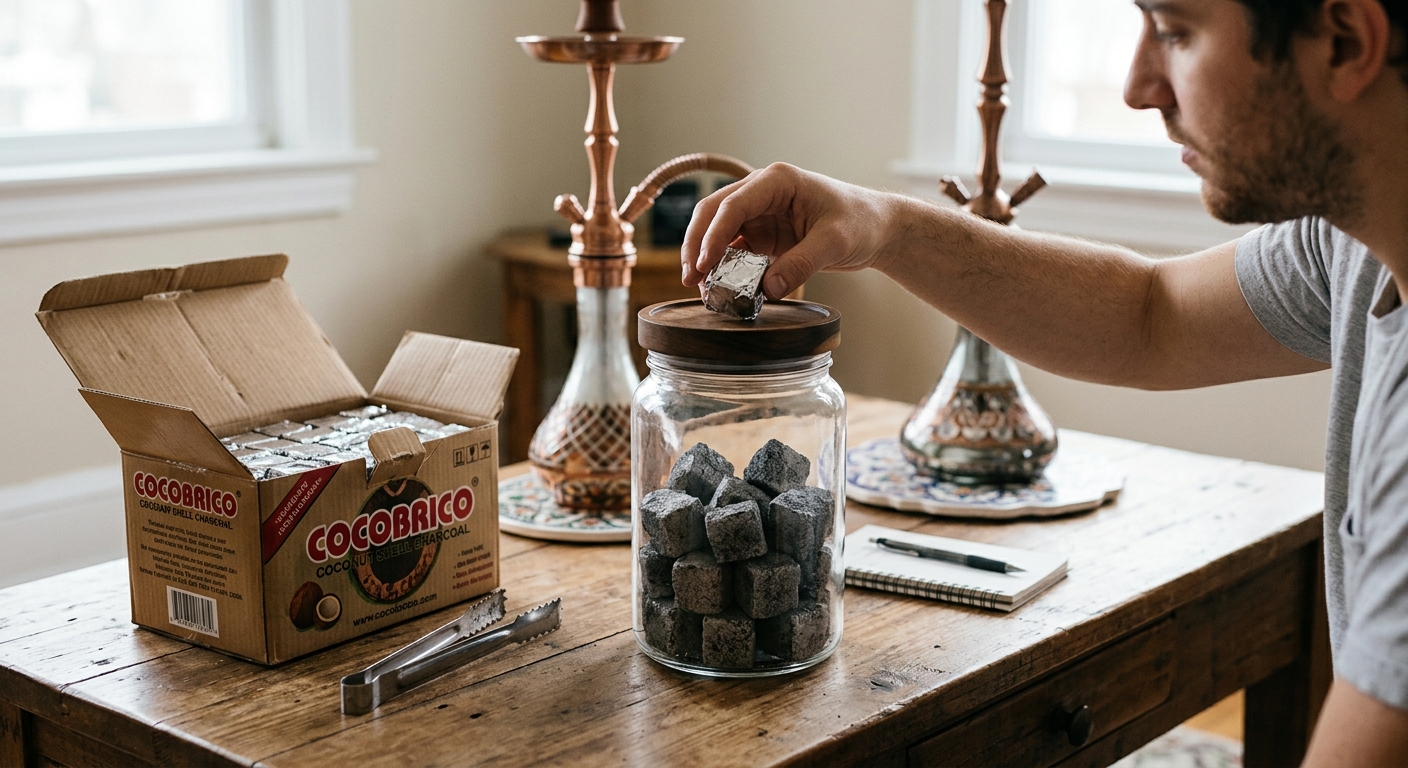
Introduction to Hookah Charcoal Storage
For any hookah enthusiast, the quality of the charcoal used is just as important as the shisha itself. Whether you prefer quick-light coals or natural coconut coals, proper storage is essential to maintain their integrity. Exposure to moisture, extreme temperatures, or strong odors can ruin your charcoal, leading to difficult lighting, excessive smoke, or an unpleasant taste. In this comprehensive guide, we will explore the best methods and practices for storing your hookah charcoal to ensure longevity and optimal performance.
Understanding Your Charcoal Types
Before diving into storage methods, it is crucial to understand the two primary types of hookah charcoal available on the market. Each type has distinct characteristics that dictate how carefully they need to be stored.
Natural Charcoal
Natural charcoal, typically made from coconut shells or wood, contains no chemical accelerants. It burns hotter, lasts longer, and produces less ash than its quick-light counterpart. Because natural coals rely purely on their material density to burn, any absorption of ambient moisture will make them incredibly difficult to ignite and sustain a consistent temperature.
Quick-Light Charcoal
Quick-light charcoal is coated with a chemical accelerant (often sulfur or saltpeter) that allows it to ignite rapidly with a standard lighter. While convenient, the chemical coating makes these coals highly susceptible to degradation. If exposed to moisture, the accelerant can dissolve or become ineffective, rendering the "quick-light" feature useless.
The following table compares the two main types of hookah charcoal and their specific storage vulnerabilities.
| Charcoal Type | Material Composition | Moisture Sensitivity | Shelf Life (Properly Stored) |
|---|---|---|---|
| Natural Coconut Coals | Compressed coconut shells | High (hard to ignite if damp) | 2 to 3 years |
| Quick-Light Coals | Wood dust with chemical accelerants | Extreme (chemicals degrade rapidly) | 1 to 2 years |
The Enemies of Charcoal Preservation
To store your charcoal effectively, you must protect it from three main environmental factors:
- Moisture and Humidity: Charcoal is highly porous. It acts like a sponge, absorbing moisture from the air. Damp charcoal will crack, produce less heat, and emit excessive, foul-tasting smoke.
- Extreme Temperatures: Fluctuating temperatures can cause condensation inside the storage container, leading to the moisture issues mentioned above.
- Odors: Because charcoal absorbs particles from the air, storing it near strong-smelling substances (like cleaning supplies or pungent foods) can taint the coals, transferring those flavors to your shisha.
Best Practices for Storing Hookah Charcoal
1. Keep It Airtight
The most important rule of charcoal storage is keeping the air out. When you purchase charcoal, it often comes in cardboard boxes or loosely sealed plastic bags. Once opened, these original packaging methods are insufficient for long-term storage.
Transfer your charcoal into an airtight container. Heavy-duty Ziploc bags, glass mason jars with rubber seals, or plastic Tupperware containers with locking lids are excellent choices. Ensure that the container is fully sealed after each use.
2. Choose a Cool, Dry Location
Store your airtight containers in a cool, dry place. A pantry, a dedicated hookah cabinet, or a closet shelf works perfectly. Avoid storing your charcoal in basements, garages, or bathrooms, as these areas are prone to high humidity and temperature fluctuations.
3. Utilize Desiccants
For an extra layer of protection against moisture, consider placing silica gel packets (desiccants) inside your charcoal storage container. These packets are designed to absorb ambient moisture and will help keep your coals bone-dry. Just be sure the packets do not break or mix their contents directly with the coals.
4. Keep Away from Strong Odors
As previously mentioned, charcoal absorbs odors. Do not store your charcoal in the same cabinet as your household cleaners, strong spices, or even your strongly scented shisha tobacco. A dedicated, neutral-smelling storage space is ideal.
What to Do if Your Charcoal Gets Damp
Despite your best efforts, accidents happen. If you suspect your natural charcoal has absorbed moisture, do not throw it away immediately. You can often salvage damp natural coals by placing them in direct sunlight on a dry day, or baking them in an oven at a very low temperature (around 150°F or 65°C) for an hour. Note: Do not attempt to bake quick-light coals, as the chemical accelerants can ignite or release toxic fumes in your oven.
Conclusion
Properly storing your hookah charcoal is a simple yet vital step in ensuring a high-quality smoking experience. By understanding the vulnerabilities of natural and quick-light coals and protecting them from moisture, temperature fluctuations, and odors, you can guarantee that every bowl you pack is accompanied by clean, consistent heat. Invest a little effort into finding airtight containers and a cool, dry storage space, and your charcoal will reward you with perfect performance down to the last cube.
Frequently Asked Questions (FAQ)
Can I store my hookah charcoal in the refrigerator?
No, storing charcoal in the refrigerator is highly discouraged. Refrigerators have high levels of humidity, and the transition from cold to room temperature will cause condensation to form on the coals, ruining them.
How long does hookah charcoal last in storage?
When stored correctly in an airtight container in a cool, dry place, natural charcoal can last for 2 to 3 years. Quick-light charcoal generally has a slightly shorter shelf life of 1 to 2 years due to the degradation of its chemical accelerants.
Is the original cardboard box sufficient for storage?
Once opened, the original cardboard box is not sufficient to keep moisture out. It is always recommended to transfer the unused coals into a secondary, airtight container such as a locking plastic tub or a heavy-duty sealable bag.
Why are my quick-light coals sparkling but not staying lit?
This is a classic sign of moisture damage. The chemical accelerant on the outside is igniting and sparking, but the moisture absorbed into the core of the coal prevents the heat from sustaining itself. You will likely need to discard these coals and purchase a fresh batch.
Comments
Post a Comment