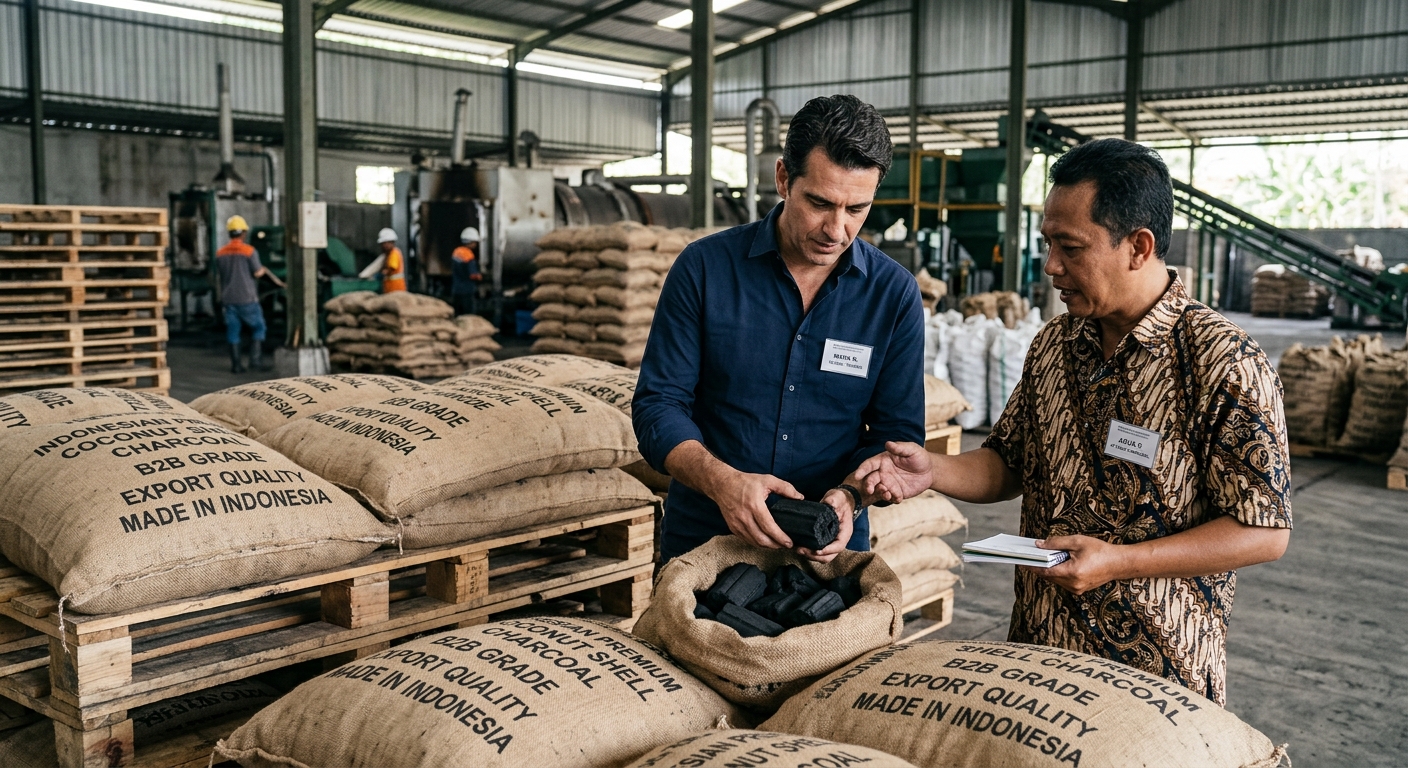
Introduction to the Indonesian Coconut Charcoal Market
In recent years, the global demand for sustainable and high-quality energy sources has skyrocketed. At the forefront of this green revolution is Indonesian coconut charcoal. Renowned for its exceptional quality, longevity, and eco-friendly properties, coconut shell charcoal from Indonesia has become the gold standard for both shisha (hookah) enthusiasts and barbecue professionals worldwide. For businesses looking to enter this lucrative market, understanding how to navigate Indonesian coconut charcoal suppliers in the B2B landscape is absolutely critical.
Indonesia is the world's largest producer of coconuts, which provides a massive, sustainable yield of coconut shells—the raw material used for premium charcoal briquettes. By partnering with reputable Indonesian coconut charcoal suppliers B2B, international buyers can secure a steady supply of premium-grade products that meet stringent global standards.
Why Choose Indonesian Coconut Charcoal?
Before diving into the sourcing process, it is essential to understand why Indonesian coconut charcoal is highly sought after by B2B buyers globally. The unique agricultural climate of Indonesia produces coconuts with exceptionally dense shells, which translate into superior charcoal properties.
- High Fixed Carbon: Indonesian coconut charcoal typically boasts a fixed carbon content of 75% to 85%, ensuring a hotter and longer-lasting burn compared to wood charcoal.
- Low Ash Content: Premium Indonesian briquettes leave behind minimal ash (often less than 2.5%), which is highly preferred for shisha smoking as it does not affect the flavor.
- Smokeless and Odorless: When properly manufactured, these briquettes produce no smoke, sparks, or unwanted odors, providing a clean burning experience.
- Eco-Friendly and Sustainable: No trees are cut down to produce coconut shell charcoal. It is a brilliant way of upcycling agricultural waste into a high-value product.
Understanding the B2B Landscape in Indonesia
The Indonesian coconut charcoal B2B sector is vast, ranging from small-scale artisanal producers to massive, highly automated factories. Most top-tier manufacturers are located on the islands of Java, Sumatra, and Sulawesi, where coconut plantations are abundant. When engaging with these suppliers, B2B buyers must communicate their specific requirements, as the charcoal can be tailored in terms of shape (cubes, flats, hexagonal, fingers), size, and chemical composition.
Here is a general breakdown of the typical specifications you can expect when negotiating with a professional Indonesian supplier:
| Specification | Premium Grade (Shisha) | Standard Grade (BBQ) |
|---|---|---|
| Fixed Carbon | 80% - 85% | 70% - 75% |
| Ash Content | 1.8% - 2.5% | 4.0% - 8.0% |
| Moisture Content | Max 5% | Max 8% |
| Volatile Matter | 10% - 13% | 15% - 20% |
| Burn Time | 90 - 120 minutes | 120 - 180 minutes (bulk) |
How to Find and Verify Reliable B2B Suppliers
Finding a supplier is easy; finding a reliable, consistent, and honest supplier requires thorough due diligence. The B2B market is filled with trading companies posing as direct manufacturers. While buying through a trading company isn't inherently bad, dealing directly with a factory often yields better pricing and stricter quality control.
- Request Company Documentation: Always ask for the company's business license (NIB), tax registration (NPWP), and export documents to verify their legitimacy.
- Ask for Factory Video Tours: If you cannot visit Indonesia in person, request a live video call to see the production line, mixing machines, ovens, and packaging areas.
- Order Samples: Never place a bulk container order without testing samples first. Test the samples for burn time, ash color, and structural integrity (drop test).
- Check Certifications: Reliable suppliers should be able to provide MSDS (Material Safety Data Sheet) and SHT (Self-Heating Test) certificates, which are mandatory for shipping charcoal by sea.
Shipping and Logistics Considerations
Shipping coconut charcoal requires careful planning because it is classified as a potentially dangerous good (DG) under maritime shipping regulations due to its self-heating properties. However, if the supplier provides the correct SHT certificate proving it is safe for transport, it can be shipped as a non-hazardous good.
Typically, B2B buyers order in 20ft or 40ft containers. A 20ft container can hold approximately 18 metric tons of briquettes, while a 40ft container can hold up to 25 metric tons. Packaging is another crucial element. You will need to negotiate the design and quality of the inner boxes (usually 1kg) and the master carton boxes (usually 10kg or 20kg). Make sure the supplier uses double-wall corrugated boxes to prevent damage during transit.
Building a Long-Term B2B Relationship
Success in the charcoal business relies heavily on consistency. Once you find a supplier that meets your quality standards, focus on building a long-term partnership. Clear communication, fair negotiation, and mutual respect go a long way in Indonesian business culture. Regular feedback on container shipments helps the factory adjust their formulas and packaging to better suit your market's evolving needs.
Conclusion
Sourcing from Indonesian coconut charcoal suppliers B2B offers a tremendous opportunity for global businesses to provide a premium, sustainable product to their customers. By understanding the unique benefits of Indonesian coconut shells, knowing how to verify legitimate manufacturers, and navigating the logistics of international shipping, you can establish a highly profitable and reliable supply chain. Always prioritize quality and transparency over the lowest price to ensure your brand's reputation remains untarnished in the competitive charcoal market.
Frequently Asked Questions (FAQ)
What is the minimum order quantity (MOQ) for B2B coconut charcoal purchases?
Most reputable Indonesian suppliers require a minimum order quantity of one 20ft container, which equals approximately 17 to 18 metric tons. This is due to the logistics and costs associated with manufacturing and exporting bulk goods.
How long does it take to produce and ship a container of charcoal?
Production lead times typically range from 2 to 4 weeks depending on the factory's current order volume and the complexity of your custom packaging. Ocean freight transit times vary by destination but generally take 3 to 6 weeks.
Why is ash color important in shisha charcoal?
Ash color is a strong indicator of the raw materials used. A white or light grey ash is highly preferred in the shisha market and indicates pure coconut shell usage with proper cleaning. Brown or dark ash can indicate the presence of impurities or lower-quality binders.
Are there any specific shipping regulations I need to be aware of?
Yes. Coconut charcoal can be subject to spontaneous combustion if not manufactured and cooled correctly. Therefore, shipping lines require a Self-Heating Test (SHT) certificate and a Material Safety Data Sheet (MSDS) to clear the cargo for safe ocean transit.
Comments
Post a Comment