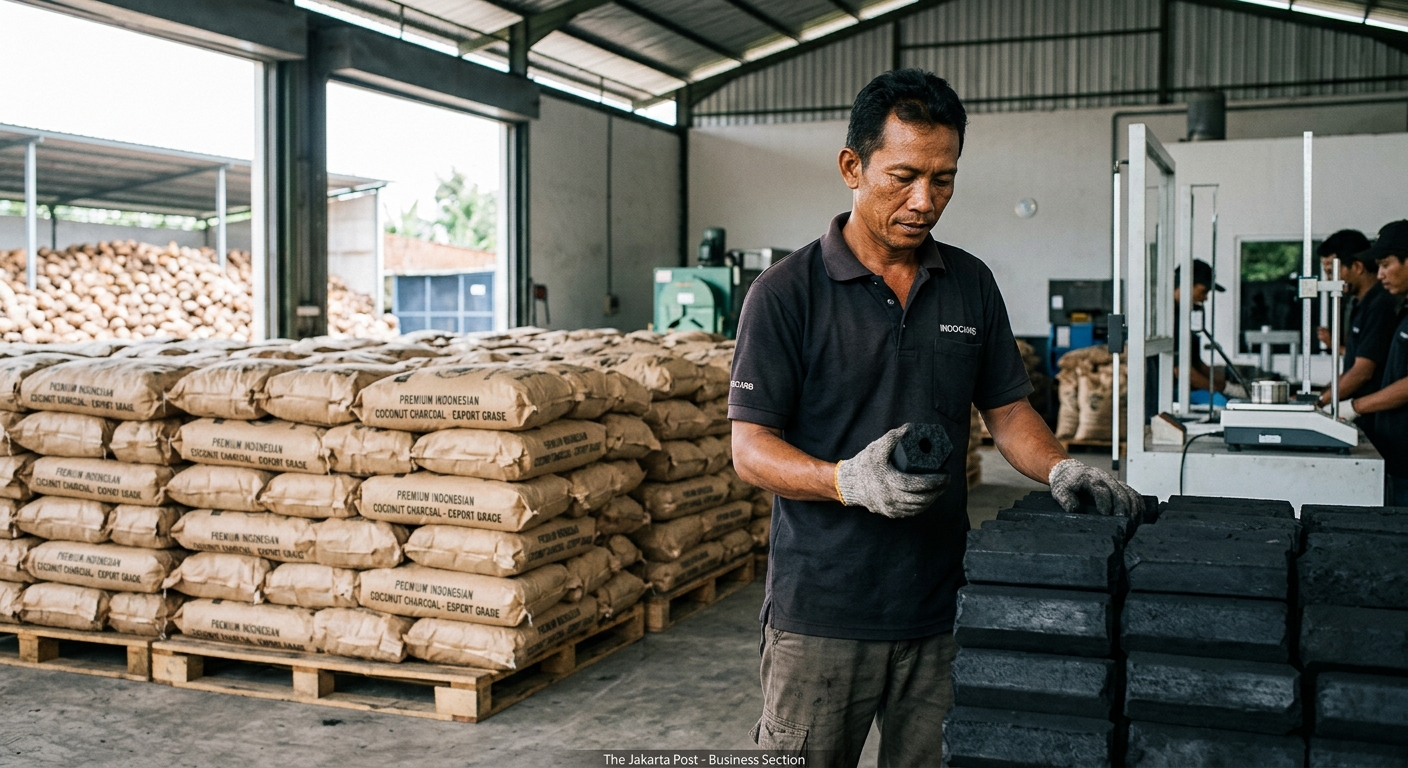
Introduction to Premium Coconut Charcoal
In recent years, the global demand for sustainable, high-efficiency energy sources has skyrocketed. Among the most sought-after products in this category is premium coconut charcoal from Indonesia. Renowned for its exceptional quality, longevity, and eco-friendly properties, Indonesian coconut charcoal has become the gold standard for various applications, ranging from shisha and hookah lounges to professional barbecues and industrial usage.
Indonesia, being one of the largest archipelago nations in the world, boasts a tropical climate that is exceptionally conducive to the cultivation of coconut palms. This geographical advantage has allowed the country to produce an abundance of high-quality coconut shells, which serve as the primary raw material for this premium charcoal. In this comprehensive guide, we will delve deep into the manufacturing process, the myriad benefits, the primary applications, and why Indonesia remains the undisputed leader in coconut charcoal production.
The Manufacturing Process: From Shell to Briquette
The transformation of a simple coconut shell into premium coconut charcoal is a meticulous process that requires precision, expertise, and strict quality control. The process can generally be broken down into several key stages:
1. Sourcing and Selection
The first step involves sourcing the highest quality, fully matured coconuts. Premium charcoal requires mature shells because they possess a higher density and lower moisture content, which directly translates to a longer burn time and higher heat output. Farmers collect these shells after the coconut meat and water have been harvested for food production, ensuring a zero-waste agricultural cycle.
2. Carbonization
Once collected, the raw coconut shells undergo carbonization. This is typically done in large kilns or specialized pits where the shells are burned in a low-oxygen environment. This process removes moisture and volatile compounds, leaving behind carbon-rich char. The temperature and duration of the carbonization process must be strictly monitored; if the temperature is too low, the charcoal will produce excessive smoke, and if it is too high, the yield will be significantly reduced.
3. Crushing and Mixing
After carbonization, the coconut shell char is crushed into a fine powder. To bind this powder into a solid form, a natural, food-grade binder—usually tapioca starch—is added. Water is also mixed in to create a consistent, moldable paste. The use of natural binders ensures that the final product remains completely organic and free from harmful chemical additives that could alter the taste of food or shisha.
4. Briquetting and Shaping
The charcoal paste is then fed into molding machines where it is pressed into various shapes and sizes. The most common shapes for premium coconut charcoal are cubes, hexagons, and flat briquettes, depending on their intended use. High pressure is applied during this stage to ensure maximum density, which is a hallmark of premium Indonesian charcoal.
5. Drying and Quality Control
The freshly molded briquettes contain a significant amount of moisture and must be thoroughly dried. This is typically achieved using industrial ovens, where the charcoal is baked for up to 24 hours at controlled temperatures. Once dried, the charcoal undergoes rigorous quality control checks. Experts test for ash content, burn time, ignition speed, and drop resistance before the product is finally packaged for global export.
The Unmatched Benefits of Indonesian Coconut Charcoal
Why do consumers and businesses worldwide prefer premium coconut charcoal from Indonesia over traditional wood charcoal or chemically processed alternatives? The answers lie in its unique physical and chemical properties.
Eco-Friendly and Sustainable
Unlike traditional lump charcoal, which often contributes to deforestation, coconut charcoal is entirely sustainable. It is made from the byproduct of the coconut industry (the shells), meaning no trees are cut down to produce it. This makes it an incredibly environmentally friendly choice for conscientious consumers.
High Heat and Long Burn Time
Due to the high density of mature coconut shells and the extreme pressure applied during the briquetting process, premium coconut charcoal burns significantly hotter and longer than standard wood charcoal. A high-quality Indonesian coconut briquette can burn for up to two to three hours, making it highly economical for both commercial and personal use.
Low Ash and Smokeless
One of the most critical factors for shisha enthusiasts and BBQ professionals is the amount of ash and smoke produced. Premium coconut charcoal boasts a very low ash content—typically between 2% and 3%. Furthermore, it burns cleanly without producing sparks, foul odors, or excessive smoke, ensuring a pure and unadulterated experience.
Comparison: Coconut Charcoal vs. Wood Charcoal
To fully appreciate the superiority of premium coconut charcoal, it is helpful to compare it directly with traditional wood charcoal.
| Feature | Premium Coconut Charcoal | Traditional Wood Charcoal |
|---|---|---|
| Burn Time | 2 to 3 hours | 45 to 90 minutes |
| Heat Output | Very High (Consistent) | Moderate to High (Fluctuates) |
| Ash Content | Low (2% - 3%) | High (5% - 10%+) |
| Environmental Impact | Sustainable (No trees cut) | Often contributes to deforestation |
| Odor and Smoke | Odorless and smokeless | Can produce heavy smoke and strong odors |
Primary Applications of Premium Coconut Charcoal
The versatility of premium coconut charcoal from Indonesia allows it to be used across several diverse industries.
Shisha and Hookah
In the world of shisha, the quality of the charcoal is just as important as the quality of the tobacco. Hookah smokers require charcoal that provides consistent heat without imparting any unwanted flavors. The odorless, smokeless, and low-ash properties of Indonesian coconut charcoal make it the undisputed favorite in hookah lounges across the Middle East, Europe, and the Americas.
Barbecue and Grilling
For culinary professionals and BBQ aficionados, coconut charcoal briquettes offer the perfect heat source for long, slow cooks. The consistent heat output ensures that meats are cooked evenly, while the absence of chemical binders guarantees that the food retains its natural, delicious flavor. Its long burn time is especially beneficial for smoking briskets, ribs, and other large cuts of meat.
Industrial and Agricultural Uses
Beyond recreational and culinary uses, coconut charcoal is also processed into activated carbon. Activated carbon is highly porous and is used globally for water purification, air filtration, and in various medical applications. Additionally, the ash produced from burning coconut charcoal can be repurposed as a mineral-rich fertilizer in agriculture.
Why Indonesia Dominates the Market
Indonesia's dominance in the coconut charcoal market is not merely a result of its abundant natural resources. The country has developed a robust infrastructure dedicated to the processing and exporting of coconut products. Generations of expertise in carbonization techniques, coupled with modern technological advancements in briquetting machinery, have allowed Indonesian manufacturers to achieve a level of quality and consistency that is difficult to replicate elsewhere. Furthermore, the strategic location of Indonesia's ports facilitates efficient global shipping, ensuring that fresh, high-quality charcoal reaches international markets promptly.
Conclusion
Premium coconut charcoal from Indonesia represents the pinnacle of biomass energy solutions. By utilizing agricultural waste to create a high-efficiency, clean-burning, and sustainable product, Indonesian manufacturers have revolutionized the charcoal industry. Whether you are a shisha enthusiast seeking a pure smoking experience, a pitmaster looking for consistent grilling heat, or an environmentally conscious consumer aiming to reduce your carbon footprint, Indonesian coconut charcoal is the ultimate choice. Its superior burn time, low ash content, and unwavering quality ensure that it will remain a highly sought-after commodity in the global market for years to come.
Frequently Asked Questions (FAQ)
What makes Indonesian coconut charcoal better than others?
Indonesian coconut charcoal is superior due to the country's ideal tropical climate, which produces mature coconuts with thick, dense shells. This high-density raw material, combined with expert manufacturing processes, results in charcoal that burns hotter, longer, and cleaner than alternatives.
Does coconut charcoal make food taste like coconut?
No, premium coconut charcoal is completely odorless and flavorless. The carbonization process removes all volatile compounds, meaning the charcoal will not impart any coconut flavor or chemical taste to your food or shisha.
How long does premium coconut charcoal take to light?
Because of its high density, premium coconut charcoal takes slightly longer to light than traditional lump charcoal or quick-light briquettes. It typically takes about 10 to 15 minutes over an open flame or electric burner to become fully ignited and covered in a thin layer of white ash, at which point it is ready to use.
Is coconut charcoal safe to use indoors?
While coconut charcoal burns much cleaner and produces less smoke than wood charcoal, burning any type of charcoal produces carbon monoxide. Therefore, it should only be used in well-ventilated areas or outdoors to ensure safety.
Comments
Post a Comment