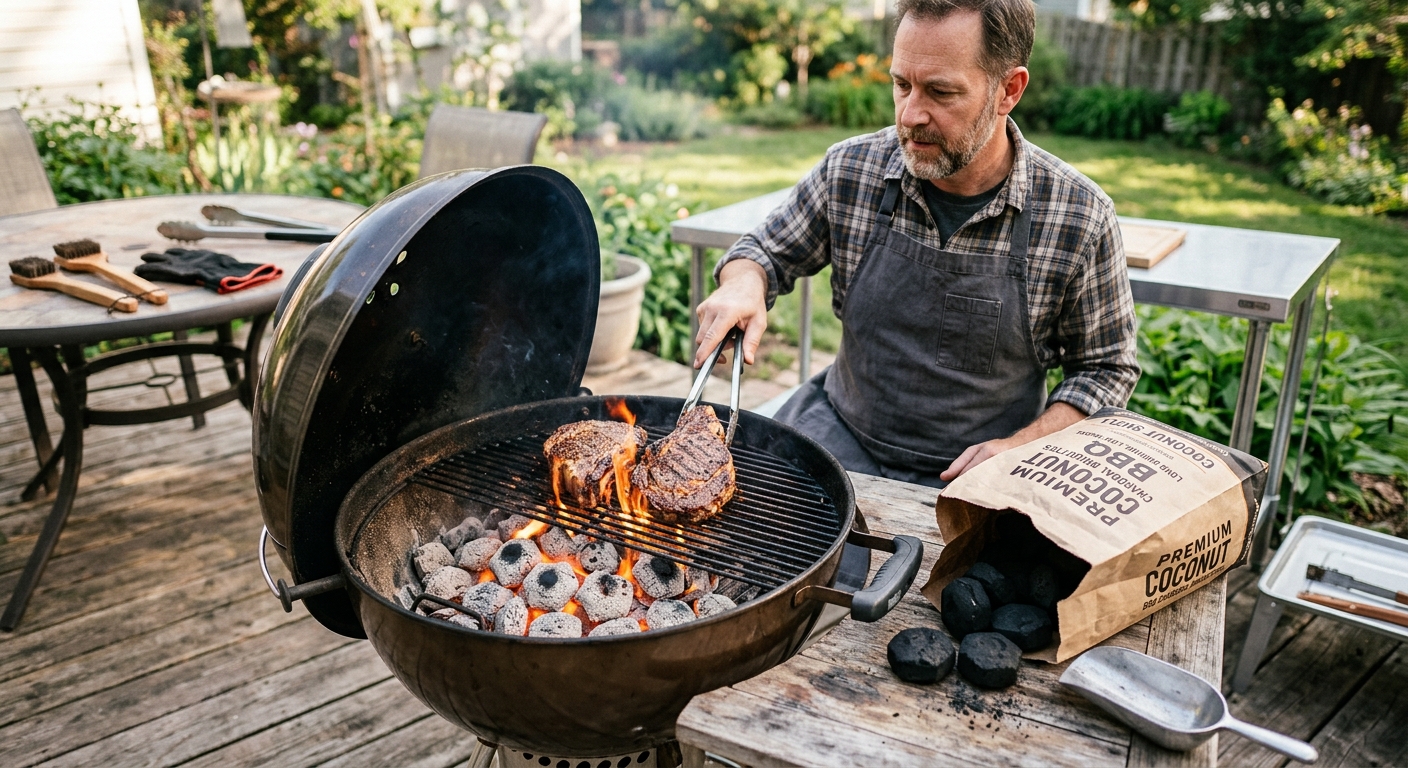
Introduction to Coconut Charcoal Briquettes
For grilling enthusiasts and barbecue professionals alike, the choice of fuel is just as critical as the quality of the meat being cooked. While traditional lump charcoal and wood briquettes have long dominated the market, a superior, eco-friendly alternative has emerged: BBQ coconut charcoal briquettes. Manufactured from compressed coconut shells, these briquettes offer a sustainable, high-performance solution that transforms the outdoor cooking experience.
Coconut charcoal briquettes are celebrated for their extended burn times, minimal ash production, and high, consistent heat output. Because they are made from agricultural waste (the shells of harvested coconuts), no trees are felled in their production, making them a premium choice for environmentally conscious consumers. In this comprehensive guide, we will explore the best BBQ coconut charcoal briquettes available, the myriad benefits of using them, and how to select the perfect product for your grilling needs.
Why Choose Coconut Charcoal Over Traditional Fuel?
Understanding the advantages of coconut shell briquettes over traditional hardwood charcoal can help elevate your barbecue game. Here are the primary reasons professional pitmasters and backyard grillers are making the switch:
- Extended Burn Time: Coconut briquettes are incredibly dense. This density allows them to burn up to three times longer than traditional lump charcoal, making them ideal for low-and-slow cooking methods like smoking briskets or roasting whole poultry.
- Consistent High Heat: These briquettes provide a stable and exceptionally high temperature profile, ensuring an even cook without the sudden temperature spikes often associated with irregularly shaped lump charcoal.
- Low Ash Production: One of the most significant benefits is the minimal amount of ash left behind. Coconut charcoal typically produces less than 5% ash, which means less clean-up after your barbecue and a lower risk of ash blowing onto your food.
- Eco-Friendly and Sustainable: As a byproduct of the coconut industry, utilizing the shells for charcoal prevents agricultural waste and saves trees from being harvested for fuel.
- Neutral Flavor Profile: Unlike mesquite or hickory, coconut charcoal burns clean and smokeless, producing a neutral flavor. This allows the natural taste of your food and any specific smoking woods you add to shine through without a harsh, acrid charcoal aftertaste.
Key Factors to Consider When Buying
Not all coconut charcoal briquettes are created equal. When shopping for the best BBQ coconut charcoal briquettes, it is essential to evaluate several key metrics to ensure you are purchasing a high-quality product.
- Purity: Look for briquettes made from 100% natural coconut shells with no chemical fillers, nitrates, or artificial binders. A natural binder, such as food-grade tapioca starch, is acceptable and necessary to hold the briquette together.
- Density and Shape: The shape of the briquette affects airflow and burn time. Hexagonal or pillow-shaped briquettes are highly popular because they stack well in the grill and promote steady oxygen flow.
- Burn Time: Check the manufacturer's specifications. Premium coconut charcoal should guarantee a burn time of at least 3 to 4 hours under standard grilling conditions.
- Ash Content: As mentioned, lower ash content is a hallmark of quality. Aim for products that advertise an ash content of 5% or lower.
Top BBQ Coconut Charcoal Briquettes: A Comparison
To help you make an informed decision, we have compiled a comparison table of some of the leading coconut charcoal brands favored by barbecue professionals.
| Brand Name | Shape | Burn Time (approx.) | Ash Content | Best For |
|---|---|---|---|---|
| Jealous Devil Max XL | Pillow/Oval | Up to 4 hours | Low (< 5%) | Long smoking sessions |
| CocoBrico | Cube/Hexagonal | 3 - 4 hours | Very Low (< 3%) | Kamado grills & Shisha |
| Kamado Joe Big Block (Coconut Blend) | Large Block | Up to 5 hours | Low | Ceramic Grills |
| Charx Eco-Charcoal | Hexagonal Tube | 3.5 hours | Medium-Low | High-heat searing |
Jealous Devil Max XL
Jealous Devil has built a formidable reputation in the barbecue community, and their Max XL coconut briquettes are a testament to their commitment to quality. These extra-large briquettes are engineered for maximum heat and longevity, making them perfect for extended smoking sessions in offset smokers or Kamado-style grills. They are completely natural, utilizing a vegetable starch binder that produces zero chemical smoke.
CocoBrico Premium Coconut Charcoal
CocoBrico is heavily favored for its incredible consistency. Often cut into cubes or hexagonal shapes, these briquettes offer a highly uniform burn. They are extremely popular not only for grilling but also for hookah, due to their completely odorless and smokeless burn. For BBQ, the hexagonal shape allows for excellent airflow, resulting in a steady, reliable heat source that requires minimal tending.
Charx Eco-Charcoal
Designed specifically for the eco-conscious griller, Charx focuses on a 100% sustainable supply chain. Their hexagonal tube design includes a hollow center, which drastically improves oxygen flow and allows the briquettes to light faster than solid blocks. While they burn slightly faster than the densest pillow briquettes, their high-heat output makes them exceptional for searing steaks and burgers.
How to Properly Light Coconut Charcoal
Because coconut charcoal is denser than standard lump charcoal and lacks chemical accelerants, it can be slightly more challenging to light. However, with the right technique, the process is straightforward and safe.
- Use a Charcoal Chimney: A charcoal chimney starter is the most efficient tool for the job. Fill the chimney with your coconut briquettes.
- Natural Fire Starters: Place natural fire starters (such as tumbleweeds or wax-coated wood shavings) under the chimney. Avoid liquid lighter fluid, as it will taint the pure flavor of the charcoal.
- Patience is Key: Allow 15 to 25 minutes for the charcoal to ignite thoroughly. You will know they are ready when they are covered in a light layer of white ash and glowing red.
- Arrange for Cooking: Carefully pour the lit briquettes into your grill. Arrange them for two-zone cooking if you plan to sear and then indirectly roast your meats.
Conclusion
Transitioning to the best BBQ coconut charcoal briquettes is a guaranteed way to upgrade your outdoor cooking experience. The combination of intense, reliable heat, prolonged burn times, and a clean, neutral flavor profile provides pitmasters with unparalleled control over their barbecue. Furthermore, by selecting a product made from repurposed coconut shells, you are making an environmentally responsible choice that reduces deforestation and agricultural waste. Whether you are attempting a 12-hour brisket smoke or searing up a quick weeknight steak, investing in premium coconut charcoal will yield professional, mouth-watering results every time.
Frequently Asked Questions
Can I use coconut charcoal in any type of grill?
Yes, coconut charcoal briquettes are highly versatile and can be used in nearly any charcoal grill, including Kamado ceramics (like the Big Green Egg), offset smokers, Weber kettles, and basic portable grills. Their consistent heat makes them particularly excellent for ceramic grills.
Does coconut charcoal make the food taste like coconut?
No. Despite being made from coconut shells, the carbonization process removes all the oils and organic compounds that would produce a coconut flavor. Premium coconut charcoal burns completely neutral, smokeless, and odorless, allowing your marinades, rubs, and added smoking woods to provide all the flavor.
Why is coconut charcoal more expensive than regular charcoal?
The manufacturing process for coconut charcoal is more labor-intensive and requires high-pressure extrusion and precise carbonization. Additionally, importing the raw materials from tropical regions adds to the cost. However, because they burn up to three times longer than standard charcoal, many users find them to be more cost-effective in the long run.
Is it safe to compost the ash from coconut charcoal?
Absolutely. Because high-quality coconut charcoal briquettes are made without harsh chemicals, fillers, or toxic binders, the small amount of ash they leave behind is entirely natural. You can safely mix this ash into your garden soil or compost bin, where it can actually help raise the pH level of acidic soils.
Comments
Post a Comment