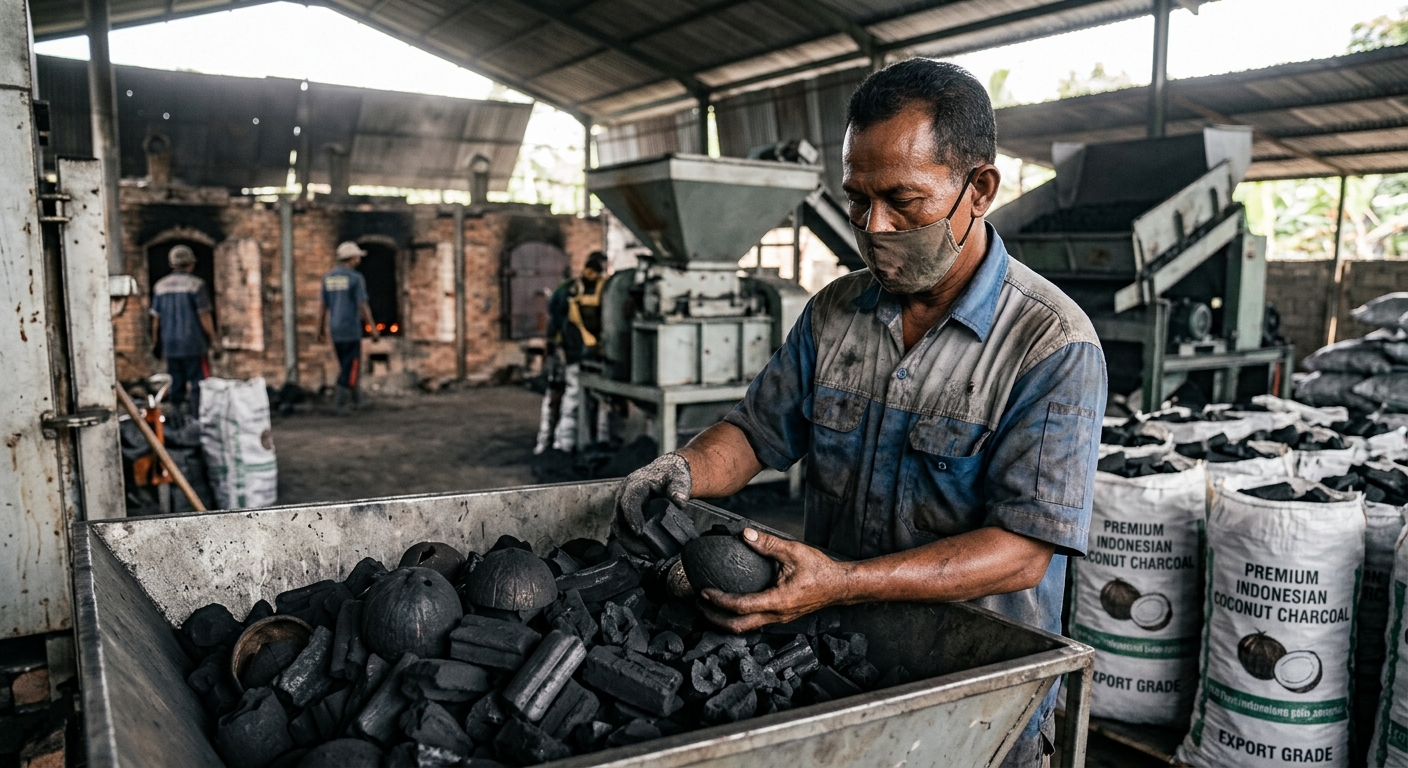
When it comes to the global supply of premium charcoal, one nation stands out above the rest: Indonesia. As an archipelago blessed with tropical climates and fertile soils, Indonesia has grown to become the world's leading producer of coconuts. Consequently, finding a reliable coconut shell charcoal manufacturer in Indonesia has become a top priority for international distributors, wholesalers, and retail brands looking for sustainable, high-quality heating and grilling solutions. In this comprehensive guide, we will explore the intricacies of the Indonesian coconut shell charcoal industry, the manufacturing process, its diverse applications, and how to select the best manufacturer for your business needs.
The Rise of Indonesia as a Global Hub for Coconut Shell Charcoal
Indonesia's geographical location provides the perfect ecosystem for coconut plantations. With millions of hectares dedicated to coconut farming, the country generates an enormous amount of coconut shells as a byproduct of the copra, coconut oil, and desiccated coconut industries. Instead of allowing this valuable biomass to go to waste, innovative manufacturers have turned it into one of the most sought-after eco-friendly products on the market: coconut shell charcoal.
By partnering with a coconut shell charcoal manufacturer in Indonesia, global buyers are tapping into a supply chain that is not only abundant but also deeply experienced. Indonesian artisans and industrial manufacturers have refined the carbonization and briquetting processes over decades, ensuring a product that burns hotter, lasts longer, and leaves minimal environmental impact compared to traditional wood charcoal.
The Manufacturing Process: From Raw Shell to Premium Charcoal
The journey from a discarded coconut shell to a premium charcoal briquette involves a meticulous, multi-step process. High-quality manufacturers in Indonesia adhere to strict quality control measures at every stage to ensure the final product meets international standards.
1. Sourcing and Selection
The process begins with the careful selection of raw coconut shells. Premium manufacturers source fully mature, dry coconut shells, primarily from regions like Sulawesi, Sumatra, and Java, known for their dense and thick-shelled coconuts. The quality of the raw material directly influences the fixed carbon content and ash level of the final product.
2. Carbonization
The selected shells undergo carbonization, a process where they are burned in a low-oxygen environment. This step removes moisture and volatile compounds, leaving behind pure carbon. Indonesian manufacturers typically use traditional kiln methods or modern carbonization retorts to ensure consistent temperature control, preventing the shells from turning to ash.
3. Crushing and Sieving
Once carbonized, the charcoal is crushed into smaller granules. It is then sieved to remove impurities, dust, and un-carbonized particles. This ensures that only the purest charcoal granules move on to the next phase.
4. Mixing and Briquetting
The pure charcoal powder is mixed with a natural, food-grade binder—usually tapioca starch. This natural binder ensures that no harmful chemicals are introduced into the product. The mixture is then fed into heavy-duty briquetting machines, where it is extruded or pressed into various shapes, such as cubes, hexagons, or fingers, depending on the buyer's specifications.
5. Drying and Quality Control
The freshly pressed briquettes contain moisture from the binder and must be dried thoroughly. They are placed in industrial ovens for 24 to 48 hours to bring the moisture content down to acceptable levels (usually below 5%). Strict quality control tests are then conducted, checking for drop-strength, ignition time, burning duration, and ash color.
The Unmatched Benefits of Coconut Shell Charcoal
Why are global buyers so eager to source from a coconut shell charcoal manufacturer in Indonesia? The answer lies in the exceptional physical and chemical properties of the charcoal.
- Eco-Friendly and Sustainable: Unlike traditional lump charcoal, which often contributes to deforestation, coconut shell charcoal is made from an agricultural byproduct. No trees are cut down to produce it.
- High Heat and Long Burn Time: Coconut shell charcoal is incredibly dense. It burns much hotter and up to three times longer than standard wood charcoal, making it highly economical for both end-users and commercial applications.
- Smokeless and Odorless: Because it contains very few volatile compounds, premium coconut charcoal produces virtually no smoke, sparks, or unpleasant odors, preserving the natural flavor of food or the purity of shisha tobacco.
- Low Ash Production: High-quality Indonesian coconut charcoal leaves behind minimal ash (often less than 2.5%), making post-use cleanup incredibly easy.
Key Applications of Coconut Shell Charcoal
The versatility of coconut shell charcoal allows it to serve multiple industries worldwide.
Shisha and Hookah
In the Middle East, Europe, and North America, coconut charcoal briquettes are the gold standard for smoking shisha. The odorless and smokeless nature of the charcoal ensures that the flavor of the tobacco remains unadulterated. Manufacturers typically produce perfectly uniform 25mm or 26mm cubes for this specific market.
Barbecue and Grilling
Professional chefs and BBQ enthusiasts prefer coconut shell charcoal for its sustained, high-heat output. Hexagonal or briquette shapes are popular for grilling, providing an even temperature for slow-cooking meats without the risk of sudden flare-ups or chemical contamination.
Activated Carbon Production
Beyond fuel, high-grade coconut shell charcoal is the primary raw material for manufacturing activated carbon. This highly porous material is used globally for water purification, air filtration, gold extraction, and medical and cosmetic products.
Comparing Charcoal Types
To further understand the superiority of coconut shell charcoal, consider the following comparison with traditional wood charcoal:
| Feature | Coconut Shell Charcoal | Wood Charcoal |
|---|---|---|
| Source Material | Agricultural Byproduct (Sustainable) | Trees (Often leads to deforestation) |
| Burn Time | 2 to 3 hours | 45 minutes to 1.5 hours |
| Heat Output | Very High (Consistent) | Moderate (Fluctuates) |
| Smoke and Sparks | None to Minimal | Moderate to High |
| Ash Residue | Very Low (< 3%) | High (5% - 10%) |
How to Choose the Right Manufacturer in Indonesia
With hundreds of suppliers claiming to be the best, selecting the right coconut shell charcoal manufacturer in Indonesia requires due diligence. Here are the key factors to consider:
- Transparency and Factory Visits: A reputable manufacturer will welcome factory visits or provide live video tours of their production facilities. This transparency ensures they are a direct manufacturer, not merely a trading company.
- Customization Options: Look for manufacturers who offer OEM packaging and can adjust briquette sizes, shapes, and specifications to meet your local market's demands.
- Quality Certifications: Ensure the manufacturer can provide relevant laboratory test reports (such as SGS or Sucofindo) detailing moisture content, fixed carbon, volatile matter, and ash content.
- Reliable Shipping and Logistics: Exporting charcoal requires specific documentation (such as MSDS and SHT) because it is often classified as a dangerous good (spontaneously combustible). Experienced manufacturers handle this paperwork seamlessly.
Conclusion
Partnering with a reliable coconut shell charcoal manufacturer in Indonesia is a strategic move for businesses looking to capitalize on the growing global demand for sustainable, high-performance fuels. Indonesia's unrivaled access to raw materials, combined with advanced manufacturing techniques, results in a product that easily outperforms traditional alternatives. By focusing on sustainability, quality control, and proper supplier vetting, importers can build a highly profitable and environmentally responsible supply chain that satisfies the most discerning consumers in the shisha, BBQ, and industrial sectors.
Frequently Asked Questions (FAQ)
What makes Indonesian coconut shell charcoal better than others?
Indonesian coconut shell charcoal is considered superior due to the country's ideal climate, which produces thick, dense coconut shells. This natural density translates into charcoal with higher fixed carbon, longer burn times, and lower ash content compared to charcoal from other regions.
Is coconut shell charcoal safe for indoor use?
While coconut shell charcoal is smokeless and odorless, burning any type of carbon-based fuel consumes oxygen and produces carbon monoxide. Therefore, it should only be used in well-ventilated areas or outdoors to ensure complete safety.
Can a manufacturer produce custom sizes for my brand?
Yes, reputable coconut shell charcoal manufacturers in Indonesia offer extensive OEM services. They can customize the shape (cubes, flats, hexagons), the size (e.g., 22mm, 25mm, 26mm cubes), and the packaging (inner boxes, master cartons) to align with your specific brand requirements.
What is the minimum order quantity (MOQ) when buying from Indonesia?
Typically, direct manufacturers require a Minimum Order Quantity of one 20-foot container, which holds approximately 17 to 18 metric tons of charcoal briquettes. This ensures cost-effective manufacturing and international shipping logistics.
Comments
Post a Comment