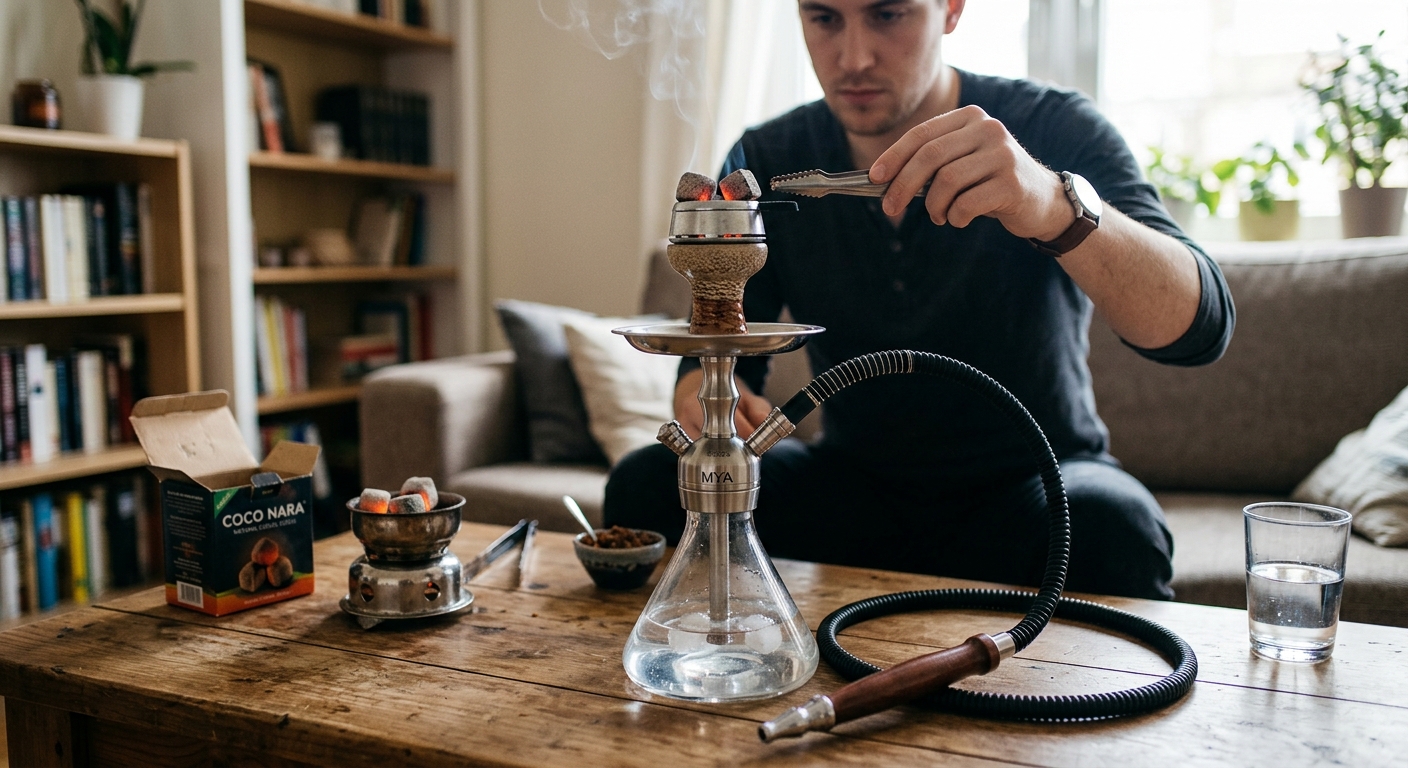
Introduction to Home Hookah Preparation
Enjoying a hookah session in the comfort of your own home can be a relaxing and luxurious experience. However, achieving that perfect, smooth, and flavorful smoke requires more than just throwing some shisha into a bowl and lighting a coal. The process of setting up a hookah is an art form that demands attention to detail, proper technique, and an understanding of how the various components work together. Whether you are a beginner looking to host your first lounge-style evening or a seasoned enthusiast wanting to refine your technique, this comprehensive guide will walk you through the professional steps on how to set up a hookah at home.
Understanding the Anatomy of Your Hookah
Before diving into the assembly process, it is crucial to familiarize yourself with the basic components of a hookah. Knowing your equipment ensures a proper seal and an optimal smoking experience.
- The Vase (Base): The bottom glass container that holds the water.
- The Stem (Pipe): The metal core of the hookah that connects the bowl to the vase.
- The Downstem: The lower part of the stem that submerges into the water.
- The Ashtray: Rests just below the bowl to catch falling ash.
- The Bowl: The clay, silicone, or glass piece at the very top that holds the shisha tobacco.
- The Hose: The tube through which you draw the smoke.
- Grommets: Rubber or silicone seals used at connection points to make the hookah airtight.
Essential Supplies for Your Setup
To ensure a seamless setup process, gather all necessary supplies before you begin. Having high-quality materials will significantly impact the flavor and longevity of your session.
| Supply Item | Purpose and Recommendation |
|---|---|
| Hookah Unit | Your primary smoking apparatus; ensure it is thoroughly cleaned before use. |
| Shisha Tobacco | Available in blonde or dark leaf; choose your preferred flavor profile. |
| Charcoal | Natural coconut coals are highly recommended over quick-light coals for better flavor and heat consistency. |
| Aluminum Foil or HMD | Heavy-duty foil or a Heat Management Device to separate the coals from the tobacco. |
| Tongs | Essential for safely handling and maneuvering hot charcoal. |
| Electric Coil Burner | Necessary for properly lighting natural coconut coals. |
| Water | Used in the base for smoke filtration and cooling. |
Step-by-Step Guide to Setting Up Your Hookah
Step 1: Clean Your Equipment
A pristine hookah is the foundation of a great session. Residue from previous sessions can severely taint the flavor of your new shisha. Rinse the vase, stem, and bowl with warm water and a specialized hookah cleaning brush. For a deeper clean, a mixture of lemon juice and baking soda can be used to neutralize lingering odors. Allow all parts to dry before proceeding.
Step 2: Fill the Vase with Water
Pour cold water into the glass vase. The water level is critical for the draw resistance and filtration. Insert the stem into the vase to test the water level. The bottom of the downstem should be submerged approximately one to one-and-a-half inches into the water. If the water level is too high, water may pull into the hose; if it is too low, the smoke will not filter properly, resulting in a harsh draw.
Step 3: Assemble the Hookah
Carefully insert the stem into the vase, ensuring the base grommet provides a snug, airtight seal. Next, slide the ashtray over the top of the stem so it rests securely on the designated ridge. Insert the hose into the hose port on the side of the stem, again ensuring a tight seal with a hose grommet. To check for air leaks, place your hand flat over the top of the stem (where the bowl goes) and inhale through the hose. You should feel a vacuum and no air should enter the system.
Step 4: Pack the Hookah Bowl
Packing the bowl correctly is arguably the most important step in the entire process. The method you use depends heavily on the type of shisha you are smoking. For modern blonde leaf tobacco, a fluff pack is generally best. Take small pinches of shisha and gently sprinkle them into the bowl, allowing air to flow freely between the leaves. Fill the bowl just below the rim—about two to three millimeters—to prevent the tobacco from touching the foil or HMD, which causes scorching. For dark leaf tobacco, a dense pack is often preferred, where the tobacco is pressed down more firmly to handle higher heat.
Step 5: Prepare the Foil or Attach the HMD
If you are using a Heat Management Device (HMD), simply place it securely on top of your packed bowl. If you are using aluminum foil, tear off a square of heavy-duty foil. Stretch the foil tightly over the top of the bowl so it resembles the surface of a drum; it should be completely smooth with no wrinkles. Using a hookah foil poker, a toothpick, or a safety pin, poke evenly spaced holes around the foil. Start from the outer edge and work your way inward in concentric circles, ensuring adequate airflow without letting too much heat scorch the shisha directly.
Step 6: Ignite the Charcoal
Natural coconut coals are the industry standard for professional lounges and serious home smokers. Place two to three natural coals on an electric coil burner. Turn the burner to high. Allow the coals to heat for about five to seven minutes on one side until they are glowing red halfway up. Use your tongs to flip the coals and wait another three to five minutes. The coals are ready only when they are completely covered in a fine layer of gray ash and glowing bright red, with no black spots remaining. Unlit sections can introduce carbon monoxide and alter the flavor of the smoke.
Step 7: Heat the Bowl and Begin the Session
Carefully transport the fully lit coals using your tongs and place them evenly on the outer edge of the foil or inside your HMD. Do not place the coals directly in the center of the bowl, as this will burn the shisha too quickly. Wait approximately three to five minutes before taking your first draw. This waiting period allows the heat to bake the shisha evenly, producing thick, flavorful clouds right from the start. Once the bowl is heated, take long, smooth pulls to get the session going.
Best Practices for Hookah Heat Management
Maintaining the perfect temperature throughout your session is key to making the flavor last and avoiding a harsh, burnt taste. As the session progresses, the coals will naturally ash and shrink. Use your tongs to gently tap the coals on the ashtray every fifteen to twenty minutes to remove excess ash. Rotate the position of the coals on the bowl to ensure the shisha bakes evenly. If the smoke becomes too harsh or tickles your throat, remove one coal or push them further to the edge. If the smoke is too thin, move the coals slightly inward or add a fresh, newly lit coal to the rotation.
Conclusion
Setting up a hookah at home does not have to be an intimidating process. By understanding your equipment, prioritizing cleanliness, and mastering the techniques of packing and heat management, you can easily replicate the premium experience of a high-end hookah lounge in your own living room. Remember that patience is vital—taking the time to properly light your natural coals and letting the bowl heat up before smoking makes a world of difference. With practice, these steps will become second nature, allowing you to consistently produce thick, flavorful clouds for you and your guests to enjoy.
Frequently Asked Questions
How much water should I put in the hookah vase?
You should fill the vase with enough water so that the bottom of the downstem is submerged by about 1 to 1.5 inches. This creates the optimal balance between a smooth draw and proper smoke filtration.
Why does my hookah taste burnt, and how can I fix it?
A burnt taste usually indicates that your shisha is receiving too much heat or the tobacco is touching the foil/HMD. To fix it, carefully remove a coal or move them to the outer edge of the bowl. Next time, ensure you pack the shisha slightly below the rim of the bowl and avoid over-packing.
Are natural coconut coals better than quick-light coals?
Yes, natural coconut coals are highly recommended over quick-light coals. While quick-lights ignite faster, they contain chemical accelerants that can ruin the flavor of your shisha and cause headaches. Natural coals burn cleaner, hotter, longer, and do not interfere with the tobacco's flavor.
How long does a typical hookah session last?
A standard hookah session typically lasts anywhere from 45 minutes to 1.5 hours, depending on the size of the bowl, the type of shisha used, and how well the heat is managed throughout the session. Adding fresh coals can extend the duration if the tobacco has not been fully depleted.
Comments
Post a Comment