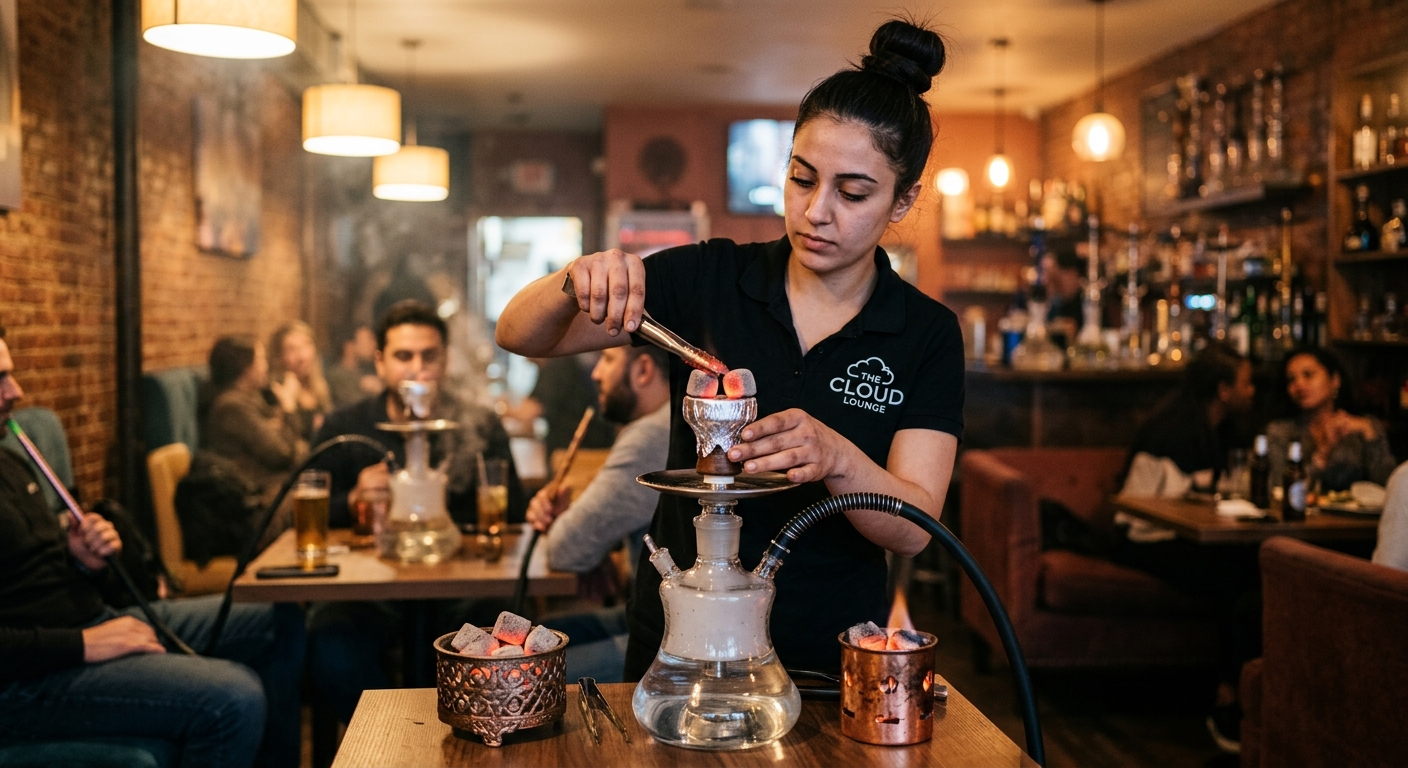
Introduction to Charcoal Management in Hookah Lounges
In the highly competitive hospitality industry, operating a successful hookah lounge requires meticulous attention to detail. While premium shisha flavors and high-quality pipes are crucial, the backbone of a flawless hookah experience lies in effective charcoal management. Improperly managed charcoal can lead to harsh smoke, burnt flavors, safety hazards, and ultimately, dissatisfied customers. For lounge owners and managers, mastering charcoal logistics—from sourcing and storage to ignition and customer service—is an absolute necessity.
This comprehensive guide explores professional hookah lounge charcoal management tips. By implementing these best practices, your establishment can ensure consistent session quality, maximize operational efficiency, and maintain a safe environment for both patrons and staff.
Selecting the Right Charcoal for Your Lounge
The first step in effective charcoal management is selecting the appropriate type of coal. The market predominantly offers two varieties: natural coconut charcoal and quick-light charcoal. For a professional lounge environment, natural coconut charcoal is the industry standard. It burns hotter, lasts longer, and does not interfere with the flavor of the shisha, unlike the chemical accelerants found in quick-light options.
Benefits of Premium Coconut Charcoal
- Odorless and Tasteless: Ensures customers taste only the premium shisha blends they ordered.
- Extended Burn Time: Reduces the frequency of coal rotations, lessening the workload on your floor staff.
- Low Ash Production: Keeps the hookah setup cleaner and minimizes the risk of ash blowing onto furniture or patrons.
Optimizing Charcoal Storage and Inventory
Proper storage is essential to maintain the integrity of your charcoal. Charcoal is highly porous and will absorb moisture from the air, which can lead to extended lighting times, uneven burning, and easily extinguished coals during a session.
Environmental Controls
Store your charcoal inventory in a cool, dry, and well-ventilated area. Keep boxes off the floor by utilizing pallets or shelving units to prevent moisture seeping in from the ground. If your lounge is located in a highly humid climate, consider investing in a commercial dehumidifier for your storage room to keep ambient moisture levels in check.
Inventory Rotation System
Implement a First-In, First-Out (FIFO) inventory system. Always use the oldest stock first to prevent boxes from sitting too long and degrading in quality. Conduct weekly inventory checks to ensure you never run out during peak weekend hours, which could result in emergency purchases of subpar charcoal.
Preparation and Ignition Protocols
The preparation station is the engine room of your hookah lounge. How your staff lights and handles charcoal directly impacts the speed of service and the quality of the customer's first draw.
Commercial Charcoal Burners
Invest in heavy-duty, commercial-grade electric coil burners. Standard residential burners will degrade quickly under the stress of constant, daily lounge use. Keep multiple burners operational to handle peak volume, and dedicate specific staff members to monitor the prep station to prevent coals from overcooking and shrinking before they even reach the customer.
The Golden Rule: Fully Lit Coals
Never serve partially lit charcoal. Coals must be glowing red all the way through, with a thin layer of gray ash on the outside. Serving black, unlit coals introduces harmful carbon monoxide and foul tastes into the hookah, instantly ruining the session and potentially causing patrons to experience headaches.
Table Service and Heat Management
Once the charcoal is properly lit, the focus shifts to table service and heat management. The goal is to provide a smooth, flavorful smoke from the first puff to the last.
Implementing Heat Management Devices (HMDs)
Many modern lounges are moving away from traditional foil in favor of Heat Management Devices (HMDs). HMDs enclose the charcoal, reducing the risk of burns, keeping ash contained, and providing an even distribution of heat across the shisha bowl. This technology significantly reduces the need for constant staff intervention.
Routine Coal Rotations
If utilizing traditional foil setups, establish a strict schedule for coal rotations. Floor staff should check on tables every 20 to 30 minutes to ash the coals and rotate their positioning on the bowl. This prevents hot spots and extends the life of the bowl. When adding fresh coals, instruct staff to place them on the outer edges of the bowl rather than the center to prevent shocking the shisha with sudden, intense heat.
Health and Safety Standards
Handling glowing embers in a crowded room presents obvious safety risks. A robust charcoal management strategy must prioritize the safety of your employees and guests.
Safe Handling Equipment
Provide your staff with specialized equipment, including extra-long, high-quality metal tongs, heat-resistant gloves, and deep, enclosed charcoal carriers. Never allow staff to carry lit charcoal across the floor in open trays where a simple trip could cause a severe accident.
Ventilation Systems
Burning large amounts of charcoal generates carbon monoxide. Your prep room must have an industrial-grade exhaust hood to vent these gases directly outside. Furthermore, the main lounge area requires a powerful HVAC system capable of rapidly replacing indoor air with fresh outdoor air to maintain a comfortable and safe breathing environment.
Charcoal Comparison Overview
To better understand the operational differences, review the following comparison between the two primary charcoal types.
| Feature | Natural Coconut Charcoal | Quick-Light Charcoal |
|---|---|---|
| Ignition Time | 10 - 15 minutes (requires electric burner) | 1 - 2 minutes (can be lit with a lighter) |
| Burn Duration | 60 - 90 minutes | 20 - 45 minutes |
| Flavor Impact | Neutral / None | Chemical / Sulfuric taste |
| Ash Production | Low to Medium | High |
| Lounge Suitability | Highly Recommended | Not Recommended for Professional Use |
Conclusion
Mastering hookah lounge charcoal management is a continuous process of training, quality control, and strict adherence to safety protocols. By investing in premium natural charcoal, maintaining proper storage environments, enforcing perfect ignition standards, and prioritizing floor safety, lounge operators can drastically elevate their service quality. Ultimately, exceptional charcoal management works behind the scenes to deliver a seamless, flavorful, and memorable hookah experience that will keep your patrons returning time and time again.
Frequently Asked Questions
How often should floor staff check and rotate charcoal for customers?
In a professional lounge setting, staff should perform table checks every 20 to 30 minutes. During these checks, they should gently ash the existing coals, rotate their position on the bowl to prevent burning the shisha, and determine if fresh coals need to be added to maintain optimal smoke output.
What is the safest way to transport lit charcoal through a crowded lounge?
Staff should strictly use deep, enclosed, wind-cover style charcoal carriers made of thick metal. Using long tongs, the coals are placed securely inside the carrier. Staff should follow a predetermined, clear path through the lounge, avoiding tight squeezes between chairs, and should audibly warn guests when passing behind them with hot coals.
How can a lounge prevent carbon monoxide buildup in the charcoal prep area?
The charcoal preparation area must be equipped with a commercial-grade exhaust hood positioned directly above the charcoal burners. This system must vent outdoors. Additionally, standard carbon monoxide detectors should be installed in the prep room and throughout the lounge, tested monthly, to ensure the ventilation system is performing adequately.
Can we save money by mixing quick-light coals with natural coals?
This is highly discouraged for professional lounges. Mixing the two types will introduce the chemical accelerant taste of the quick-light coals into the session, entirely negating the benefits of the premium shisha and natural coals. Quality should never be compromised for marginal cost savings in charcoal.
Comments
Post a Comment